


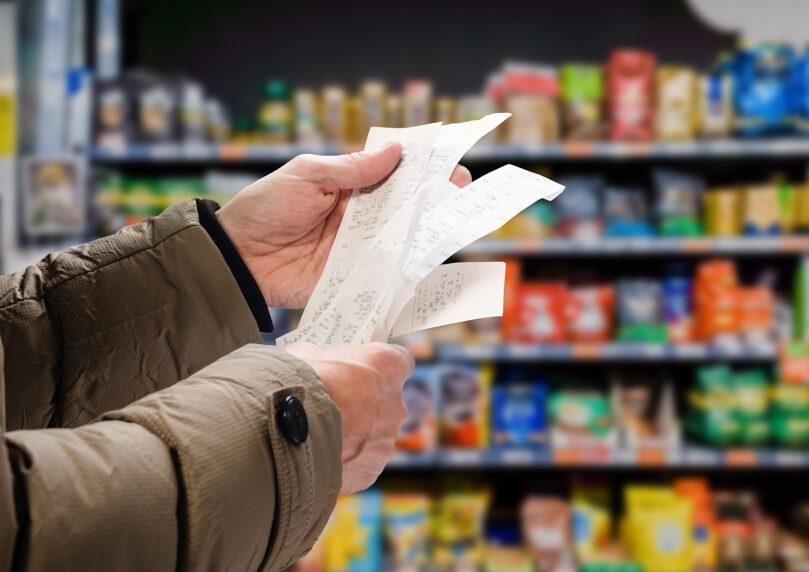

Israelis continue to feel the impact of the high cost of living, and it’s showing up in their shopping carts. Data from StorNext reveals that the second quarter of the year saw a decline in the volume of consumer goods purchased, with many shoppers cutting back and watching their spending more carefully.


 2+
According to the data, financial sales in the consumer goods market fell 1.5% compared to the same quarter last year. But after accounting for price increases, the picture becomes even clearer: real sales volume, which reflects the actual quantity of products purchased, dropped 3.6%.
The decline was felt across nearly all consumer categories, led by food. Despite food prices rising about 2.4% compared to the same period last year, real purchasing volume in the category fell 3.8%. That means consumers aren’t just paying more for some products—they’re also leaving the supermarket with fewer items in their carts.
Industry insiders explain that consumers have become more price-sensitive, spending more time comparing prices, hunting for deals, and switching to cheaper brands or private labels. At the same time, retail chains are trying to counter falling demand by expanding discount promotions—and not just on food. In recent months, some chains have launched promotions on electronics, smartphones, and even vehicles, in an attempt to increase foot traffic and boost basket size.
 2+
Despite the drop in the quantity of products sold, total financial sales in the first half of the year actually rose, reaching about ₪32.6 billion—up 4.7% compared to the same period last year. According to StorNext, the increase is mainly explained by price hikes, along with the impact of the holiday period and changes in consumption patterns against the backdrop of the war.
 2+
Industry analysts estimate that as long as the cost of living continues to weigh on households, consumers will keep managing their shopping carefully, focusing on promotions and looking for ways to cut their grocery bills. Globally, major food companies are already preparing for the possibility of weakening demand and advancing efficiency programs to deal with the shift in consumer habits.