


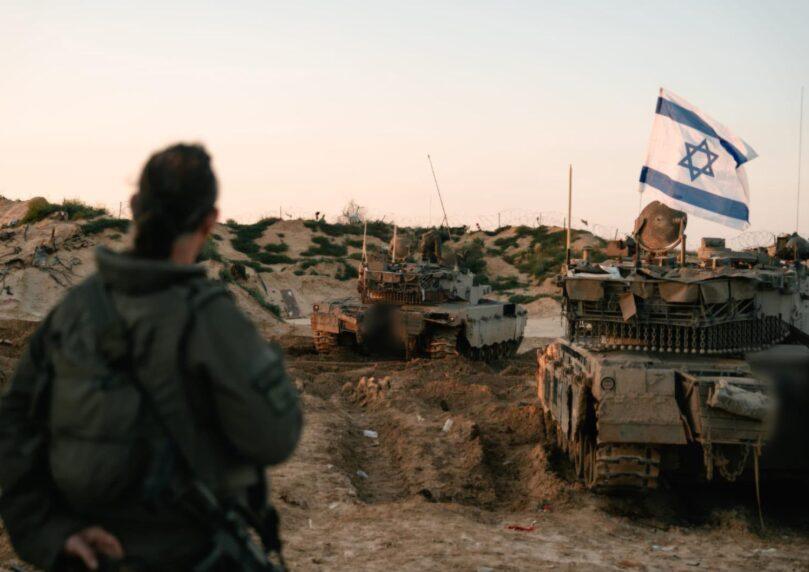

FA senior political official clarified that the international stabilization force will operate under strict limitations and require individual approval from Israel’s political leadership. According to the official, the IDF will continue to hold the Yellow Line and there will be no withdrawal until the complete dismantling of Hamas and full demilitarization of the Gaza Strip.
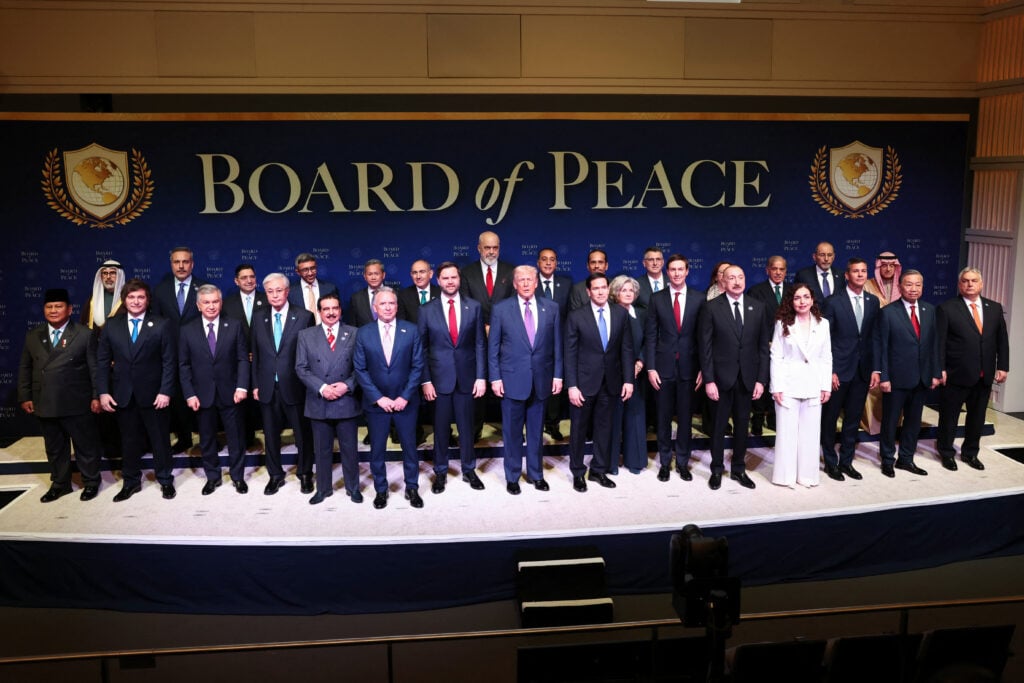
Following President Trump’s 20-point plan that led to the release of all hostages, the political-security cabinet approved today (Sunday) granting immunity under the “Immunities for International Organizations” law to the international stabilization force. A senior political official emphasized that Israel firmly insists that the IDF will continue to hold the Yellow Line and that any withdrawal is out of the question as long as Hamas has not been completely disarmed and the Strip has not been fully demilitarized.
According to the political source, the ISF force will operate only in areas beyond the Yellow Line, in territory not under IDF control, and with full coordination with the military. However, to enter the territory, every ISF force will require individual and strict approval from the prime minister, defense minister, and foreign minister.
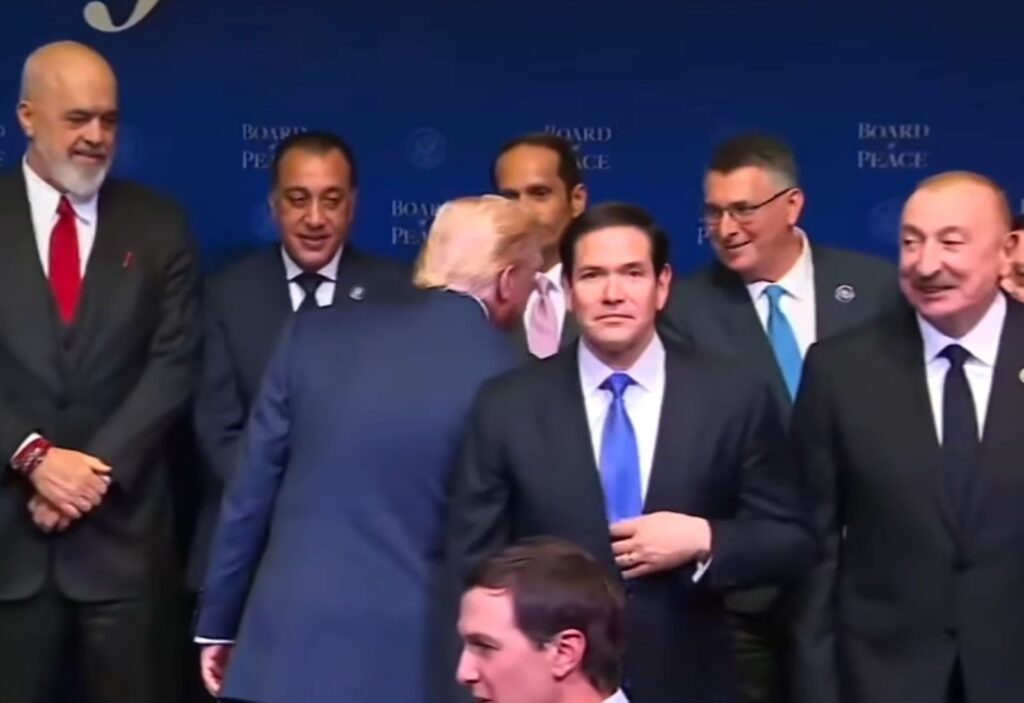
The official noted that Israel will decide which countries are permitted to send forces, with the main condition being the existence of a peace agreement and the absence of hostile activity against Israel or its officials in the international arena. At this stage, only about 200 representatives will arrive from friendly countries.
During the cabinet discussion, disagreements erupted among ministers: while supporters of the vote emphasized the commitment to agreements and the political plan in order not to destroy Trump’s plan, other ministers like National Security Minister Itamar Ben-Gvir expressed opposition, arguing that Hamas has not met its commitments.
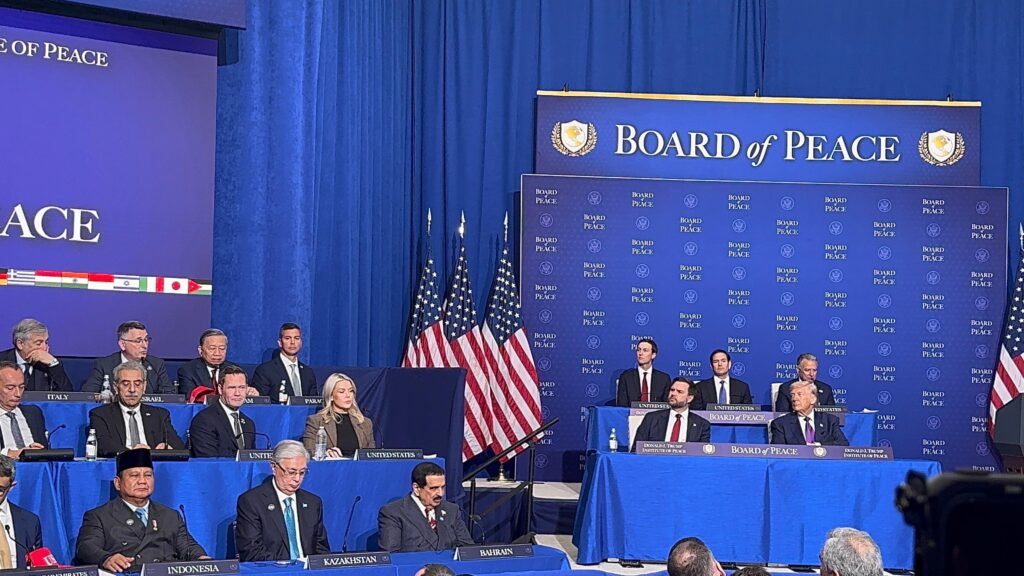
The multinational force is expected to operate under a unified command acceptable to the Peace Council, and alongside building infrastructure and bases for it in Rafah, the inclusion of representatives from additional countries such as Morocco, Uganda, Albania, and Kazakhstan is being considered.