


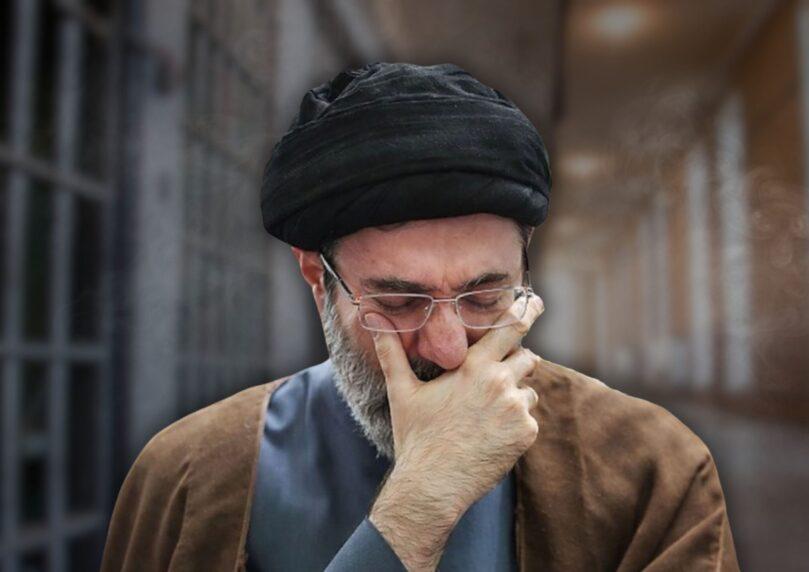

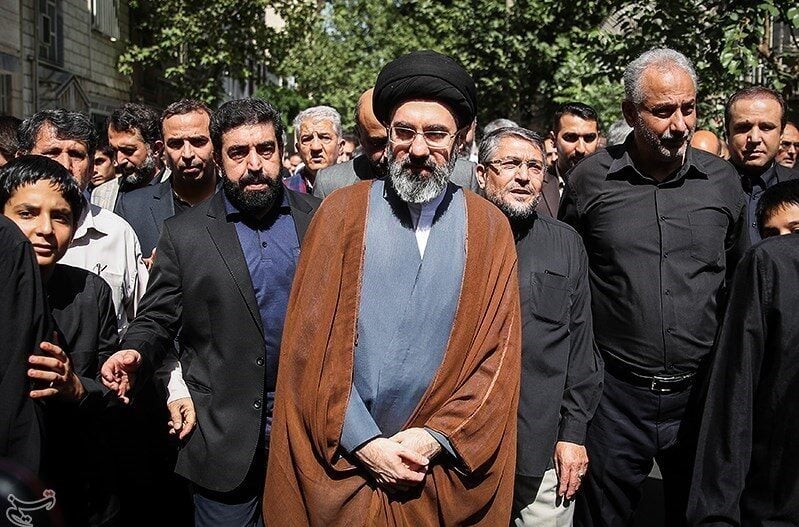
Against the backdrop of mounting questions surrounding Iran’s new supreme leader Mojtaba Khamenei’s absence and his failure to appear at official ceremonies, his father-in-law and former parliament speaker Gholam-Ali Haddad-Adel provided a rare statement today (Sunday) in an interview with the Iranian news agency ILNA.

 1+
1+Responding to specific questions from ILNA—including whether he had information about Mojtaba’s health given that he was not seen at the memorial ceremony for the slain leader—Haddad-Adel, a member of the Expediency Discernment Council, revealed that “he is simply not in contact with any entity or person at this stage, for certain reasons.”
When asked directly about his medical condition, Haddad-Adel offered only a cautious and qualified statement: “I hope he is healthy.” The remarks come just months after the transfer of power in the country, a process that has generated a wave of rumors, reports, and media fog surrounding the new leader’s actual conduct and functioning.
 1+
1+Haddad-Adel also addressed Mojtaba’s character and economic policies in the interview, noting that in terms of values, worldview, and concern for the lower classes, he closely resembles his father. He flatly rejected reports previously circulated by hostile media outlets regarding extensive business dealings and economic activity attributed to Mojtaba, emphasizing that Mojtaba lived as a seminary student and subsisted solely on the standard monthly stipend received by all seminary students.