


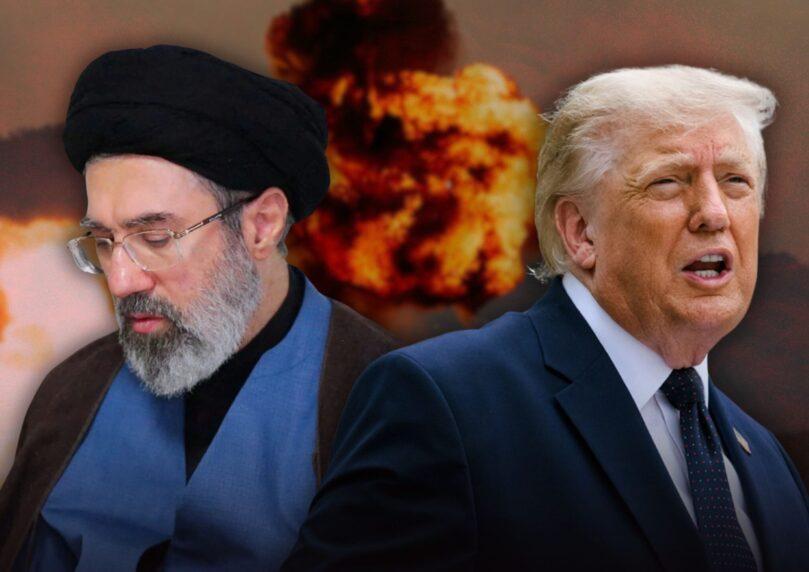

President Donald Trump is now weighing a dramatic next step against Iran: a massive strike that would wipe out secret nuclear sites and remnants of Iran’s nuclear program. The moves come despite severe damage Iran’s nuclear infrastructure has already suffered from Israeli and American strikes in June 2025. Intelligence officials and experts estimate Iran is quietly trying to restore key capabilities at deep bunker sites that pose an unprecedented operational challenge, the Wall Street Journal reported Sunday.

 3+
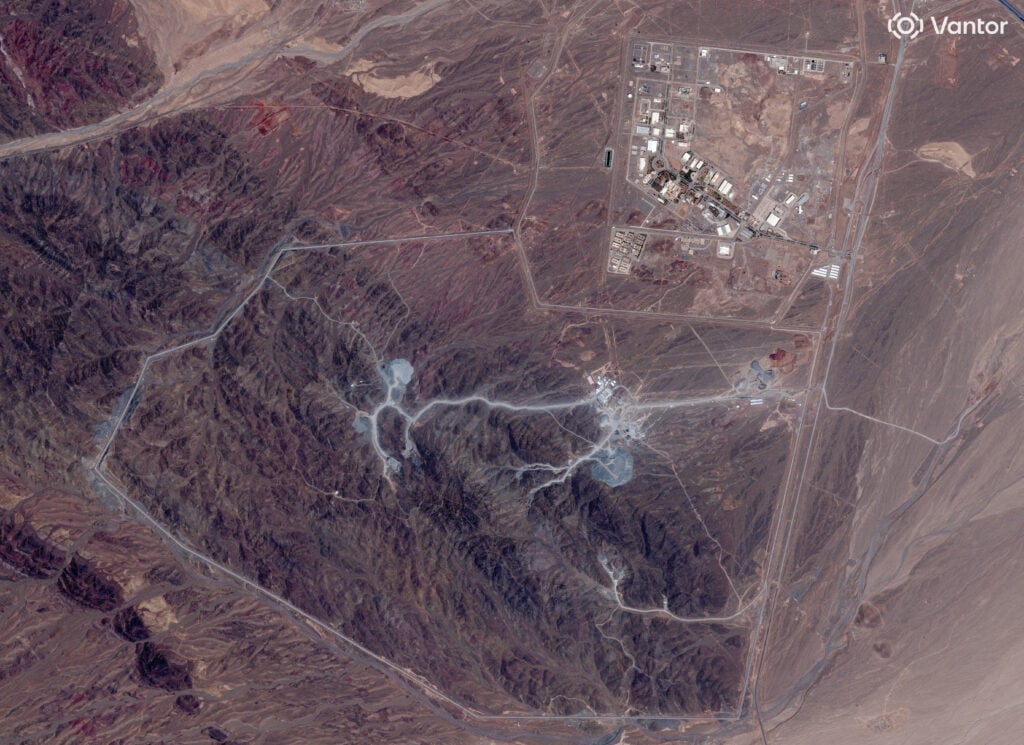
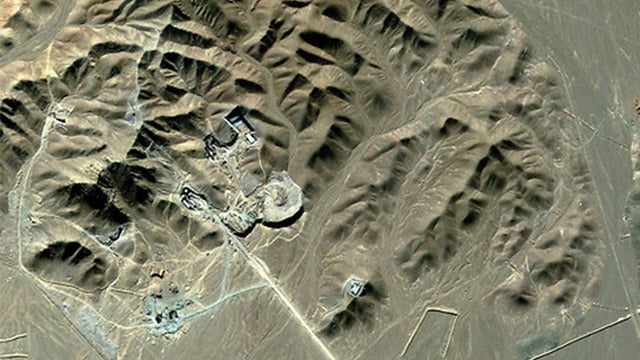
3+At the center of American threats and planning stands the Picaxe facility, known in Iran as Kuh-e Kolang Mountain, located near the enrichment complex at Natanz. The site, previously exposed as a new underground bunker for assembling centrifuges to replace a facility damaged in a 2020 explosion, has been under close U.S. and Israeli surveillance for years.
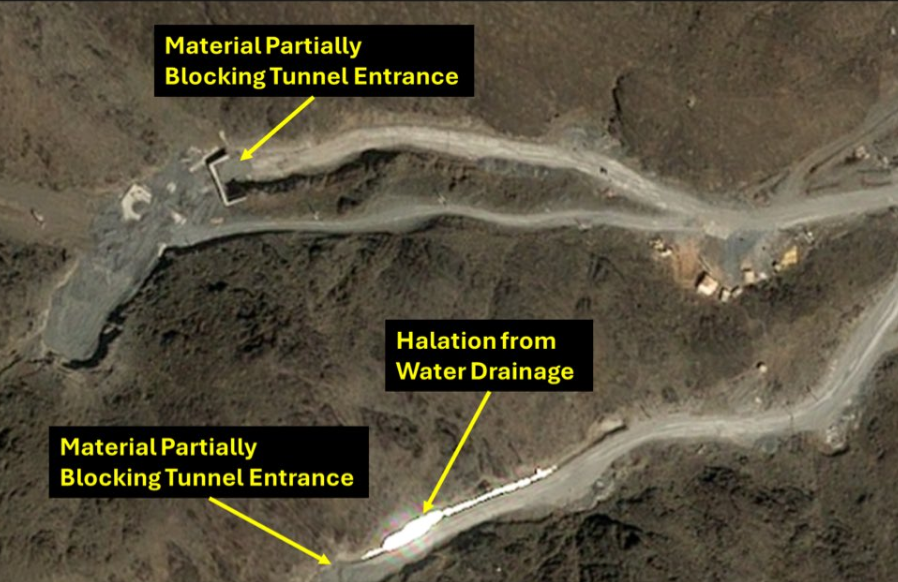
Recently, according to assessments by the Institute for Science and International Security based on satellite imagery analysis, steady activity continues at the site including truck movements, tunnel reinforcements, and construction of a new security perimeter over about 15 months. According to the Wall Street Journal report citing Israeli intelligence assessments, Iran even transferred thousands of uranium enrichment centrifuges to the deep tunnels at Picaxe last fall, following the 12-day war.
 3+
3+Experts estimate the facility extends 300 to 450 feet below solid granite, making it a difficult target to destroy even for the most advanced bunker-buster bombs in the U.S. Air Force arsenal. Immediate options available to the U.S. include striking bunker entrances to prevent access, while ground operations for sabotage inside them are considered extremely dangerous.
Behnam Ben Taleblu of the Foundation for Defense of Democracies explains the site’s growing importance: “While Washington’s clearest achievement against Iran in the war was stopping all uranium enrichment at declared facilities and freezing enriched uranium stockpiles, as time passes, the Picaxe Mountain facility looks more and more critical to Iran’s restoration efforts.”
 3+
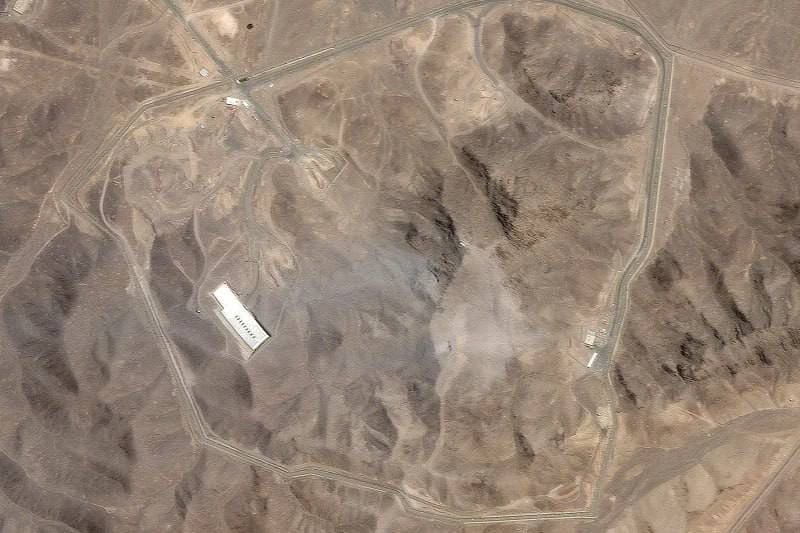
3+Alongside Picaxe, the list of potential targets also includes another site undergoing covert restoration in recent months: Taleghan 2, located inside the Parchin military complex southeast of Tehran. This site, which was severely damaged in an Israeli strike in October 2024 and again in March 2025, is linked to programs developing high-explosive lenses designed to trigger a nuclear explosion. Experts like Andrea Stricker of the Foundation for Defense of Democracies estimate that a specific test chamber for examining such charges may have survived the hits.
Additional targets in the crosshairs include the Fordow fuel enrichment facility, buried under 300 feet of earth and severely damaged when six B-2 bombers dropped two massive bombs on its ventilation shafts, but surrounded by above-ground support structures that could be attacked. Also under consideration are strikes on the central nuclear research complex at Isfahan to disrupt access to its tunnel systems, and additional sites at Natanz that survived previous waves of attacks.
 3+
3+Iran’s nuclear program has suffered devastating blows during a multi-phase campaign that began with targeted strikes attributed to Israel in recent years and reached its peak in Operation “With the Lion.” The operation paralyzed most of Tehran’s declared enrichment capabilities, including the facilities at Fordow and Natanz, and even buried enriched uranium stockpiles that were under monitoring.
However, the continuation of fighting since June 2025 has created a window of opportunity that allowed Iran to try to quietly restore part of the infrastructure, relying on bunkers and hidden sites protected underground. The significance of another wave of strikes now is a final, dramatic American attempt to completely block the survival paths of Iran’s nuclear program before Tehran manages to strengthen itself again and try to break out to a bomb.