


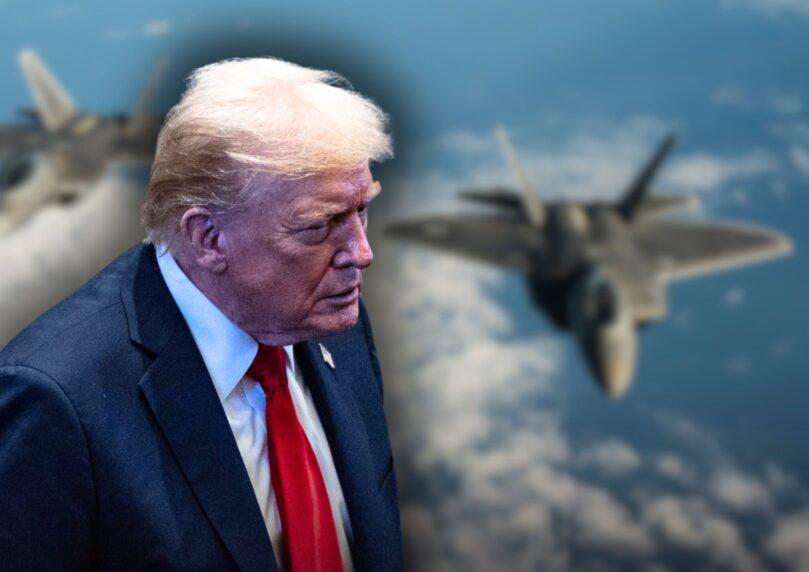

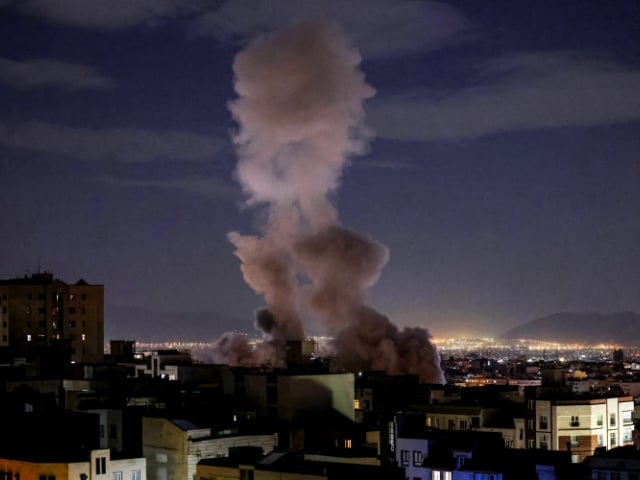
After prolonged nights of escalation and American strikes on targets in Iran, and amid high alert in Israel, President Donald Trump has decided to freeze the expansion of operations for now, according to a New York Times report. The president’s decision comes despite his earlier threats to expand attacks into what he called “the biggest ever” operation, following military concerns raised by his advisers that expanding the fighting could dangerously deplete the limited air defense ammunition stockpiles in the Middle East.

 2+
2+The dramatic report comes after a series of statements in recent weeks in which Trump made clear that the military option remains on the table and that the United States won’t hesitate to act if it believes the Iranian threat is returning and growing. In recent months, the president has already warned that if a “really good” deal isn’t reached, the United States will return to military action “bigger and stronger than ever.”
Additionally, senior U.S. administration officials said the threat to interceptor stockpiles is just one of a series of dramatic considerations regarding the possibility of significant expanded fighting. Trump and his top officials are also worried about the possibility of war spreading across the Middle East, alienating key Gulf allies exposed to Iranian attacks, a global economic crisis, and worsening energy and refugee crises.
 2+
2+According to the report, the decision to freeze the expansion of strikes for now was made after a meeting the president held last Friday with his senior advisers and top cabinet members. The internal discussions focused on the dwindling stockpile of Patriot interceptors and other Pentagon air defense assets, according to sources briefed on the discussion.
According to them, the deaths of three American soldiers in Jordan occurred after an Iranian ballistic missile penetrated the American air defense system, which was busy trying to repel a barrage of missiles and drones. Chairman of the Joint Chiefs of Staff General Dan Cain personally warned Trump that resuming significant combat operations against Iran is operationally possible—but could dangerously deplete the interceptor stockpiles available to U.S. Central Command, which is responsible for military activity in the Middle East.
 2+
2+Meanwhile, White House Communications Director Steven Cheung claimed the president “has always been consistent that he prefers a diplomatic solution,” but made clear he continues to keep all options open if Iran continues terrorist activity in the Strait of Hormuz or against allies. He added that after suffering crippling sanctions and repeated attacks, “it would be smart for Iran to work toward reaching a deal through negotiations. Otherwise, they know what will happen.”
Parallel to the discussions in the U.S., alert levels in Israel remain high. According to sources in Israel, just last Saturday Israel prepared for an American attack on Iran—something that ultimately didn’t happen. However, it appears there was a high probability that if the attack had occurred, Israel would have joined the fighting.