


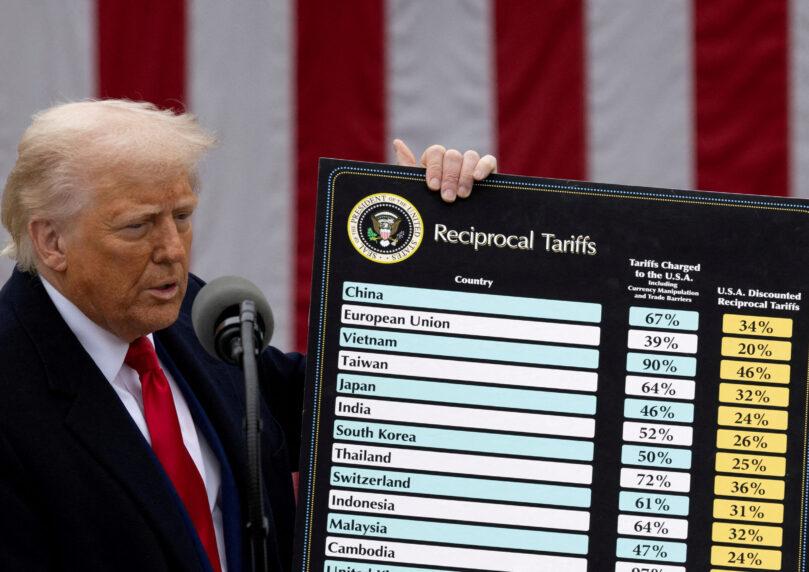

The Trump administration announced overnight Thursday a sweeping new wave of tariffs on imports from over 80 U.S. trading partners, including Israel. The new tariff rates range from 10% to 12.5%, with Israel placed in the group of countries hit with the highest rate in this round.


 3+
According to a statement from the Office of the U.S. Trade Representative, the move is aimed at combating imports of products made using forced labor. However, the new tariffs effectively replace the administration’s previous temporary tariffs, which expired at midnight U.S. time.
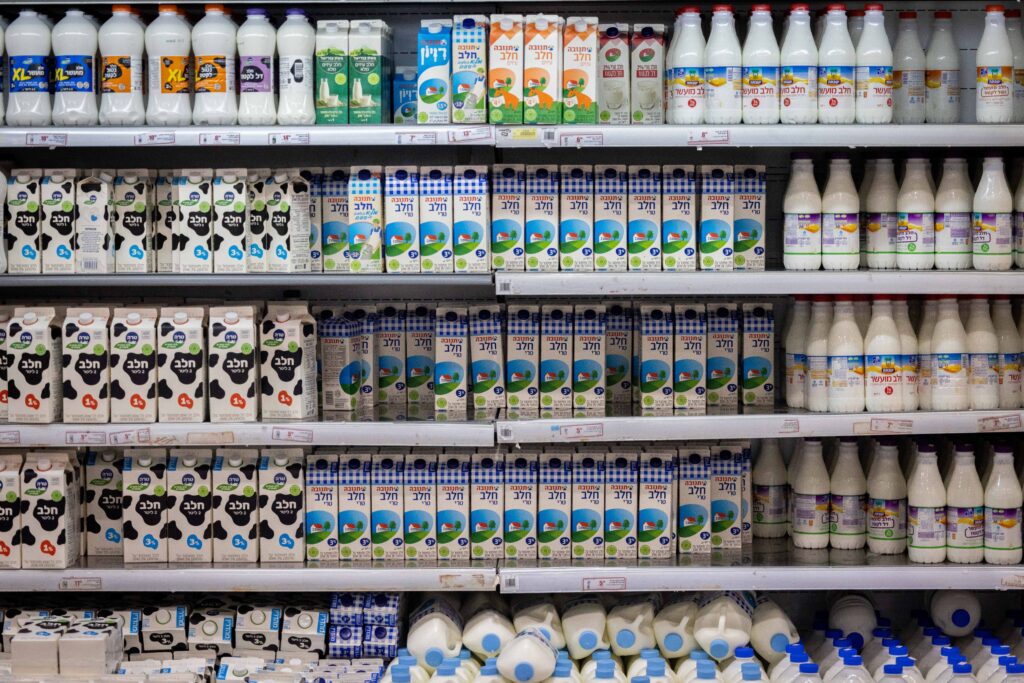
According to documents released by the administration, Israel will face an additional 12.5% tariff on a range of products imported from it to the United States. Sectors likely to be affected include technology, chemicals, food, industrial equipment, consumer goods, and medical devices.
 3+
The U.S. administration did not claim that specific Israeli products were made using forced labor. However, it argued that Israel lacks an explicit legal ban on importing goods produced with forced labor, and therefore has no effective enforcement on the issue. According to the report, this situation burdens American trade.
U.S. Trade Representative Jamieson Greer explained the move, saying, “The United States has banned the import of products made with forced labor for nearly 100 years, and enforces it rigorously. It’s time for our trading partners to do the same.”
 3+
Israel is not the only country on the list, but unlike other countries that received a reduced tariff rate of 10%—including Canada, Mexico, India, and Jordan—it did not receive relief. Additionally, Israel was not included in ceiling mechanisms granted to the European Union, Japan, South Korea, Switzerland, and Taiwan, among others.
At the same time, the U.S. administration set targeted exemptions designed to minimize damage to the American economy. Products exempted from the new tariffs include oil, natural gas, agricultural fertilizers, civilian aviation equipment, and generic drugs. Trump separately announced that imports of generic drugs to the United States will continue to enjoy a zero percent tariff for two years.
 3+
The move comes after legal and political battles over Trump’s tariff policies. After previous tariffs imposed under emergency laws were struck down, the administration has now chosen to invoke Section 301 of the Trade Act of 1974, a legal tool Trump previously used primarily in the trade war with China.
Criticism of the move is already being heard in the United States. Democratic sources argue that the rationale of fighting forced labor serves as a new legal framework for continuing Trump’s broad tariff policy. The administration, meanwhile, insists this is part of a trade strategy designed to protect American workers, strengthen domestic industry, and reduce the U.S. trade deficit.
For Israel, this is a step that could burden exporters operating in the American market, especially in sectors where competition is high and profit margins are limited. According to administration data, the United States imported goods worth approximately $20.6 billion from Israel in 2025, while bilateral trade in goods between the countries reached approximately $34.4 billion.