


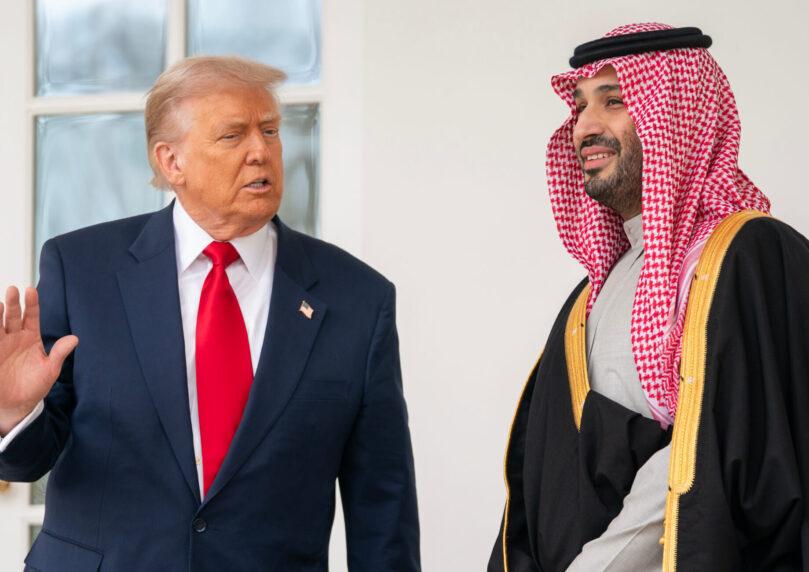

A celebratory event at the Energy Department headquarters in Washington spiraled into unprecedented political drama: On Wednesday, American and Saudi representatives signed a long-negotiated civil nuclear agreement, but the very next morning President Donald Trump surprised everyone by tweeting that the deal is contingent on Saudi Arabia joining the Abraham Accords and emphasized it includes no enrichment of materials, CNN reported Friday.
Trump’s dramatic announcement came after a storm erupted inside the White House and a wave of public and conservative criticism—including from Israel’s Channel 14, The Wall Street Journal and Fox News—questioning why the administration was handing Saudi Arabia a major win without demanding normalization with Israel upfront. Sources said Trump was furious that Energy Secretary Chris Wright led the signing ceremony without briefing him in advance and without submitting the required documents for congressional approval.
The Energy Department countered that it acted in full coordination and that the move was meant to strengthen American industry, but the announcement left the Saudis completely blindsided after they viewed the original agreement as a massive diplomatic achievement that would allow them to develop nuclear energy. In this dynamic, Israeli officials noted that Prime Minister Benjamin Netanyahu had hoped to influence the deal and push for normalization to be included, though the White House claimed Trump and Netanyahu did not speak directly about the announcement.
The agreement that was signed and halted within 24 hours is the culmination of years of diplomatic effort that was delayed for months due to regional tensions and the war with Iran. While supporters of the deal argued that an American partnership would prevent Saudi Arabia from turning to Russia or China, nonproliferation experts and members of Congress expressed deep concern that the original agreement did not require Saudi Arabia to sign the IAEA Additional Protocol and opened a sensitive door in the Middle East.
This is compounded by the broader context of the complex relationship between Islamabad and Riyadh with Washington, which includes economic pressures, debt demands and bailout packages, as seen recently in Pakistan’s extraordinary aid requests, and the Trump administration’s attempts to weave together broad economic, technological and geopolitical interests in the region.