


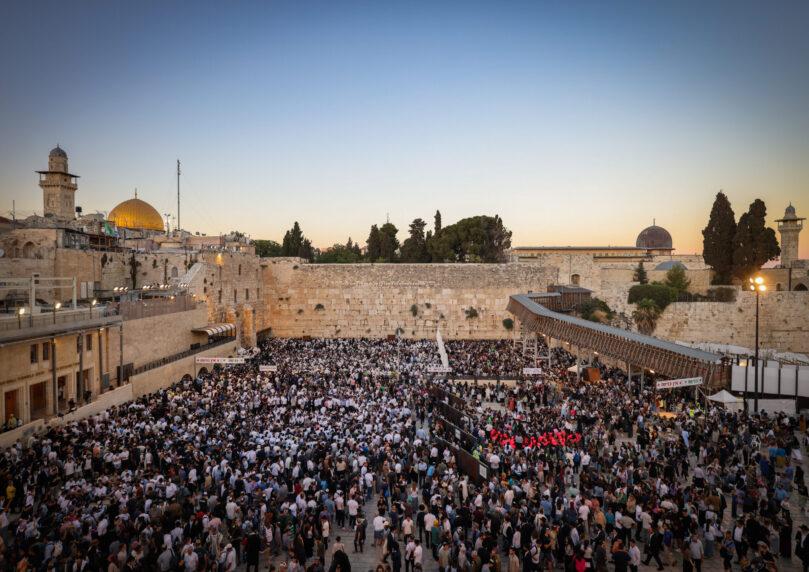

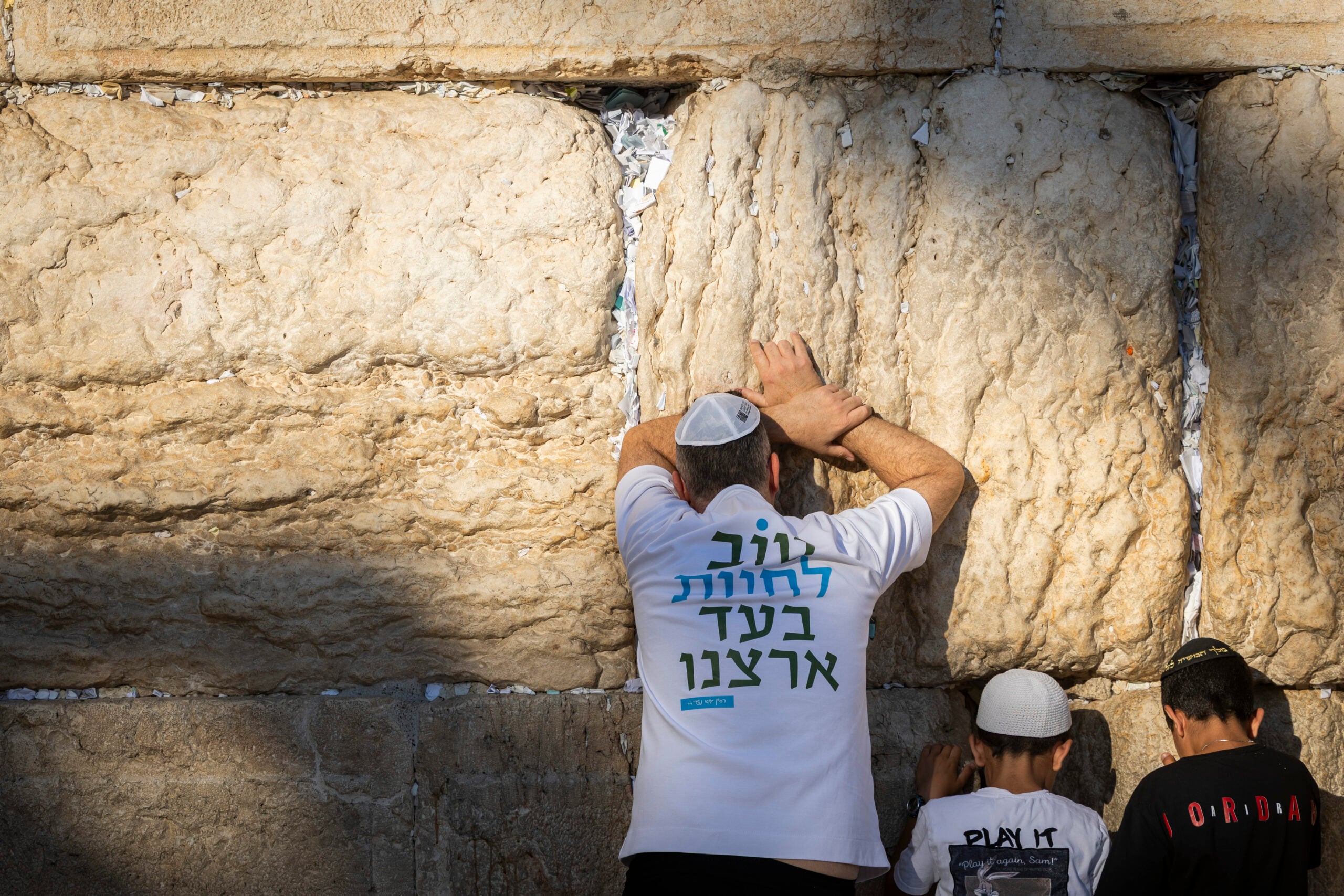
Jews across Israel and the diaspora are marking Tisha B’Av today (Thursday), commemorating 1,958 years since the destruction of the Temple. From the start of the fast last night through the morning hours, tens of thousands arrived to pray at the Western Wall—the place from which the Divine Presence has never departed.
Worshippers and visitors continued streaming to the Western Wall plaza throughout the night and are expected to keep coming today. Toward the end of the fast, organizers estimate tens of thousands more will arrive at the site.
Of all the rabbinically ordained fasts, Tisha B’Av is the most severe and the only one observed from evening to evening—from sunset until nightfall the following day—aside from Yom Kippur, which is biblically mandated.

 1+
1+On this day, considered a time destined for calamity when both the First and Second Temples were destroyed, the decree of the wilderness occurred, Beitar fell and the city was plowed over, along with other disasters in Jewish history such as the expulsion from Spain and the Gaza disengagement, observers maintain the five prohibitions: no eating or drinking, bathing, anointing with oil, marital relations, or wearing leather shoes. Until midday, participants sit on low chairs as mourners do, and read kinot—lamentations about the disasters and destruction.
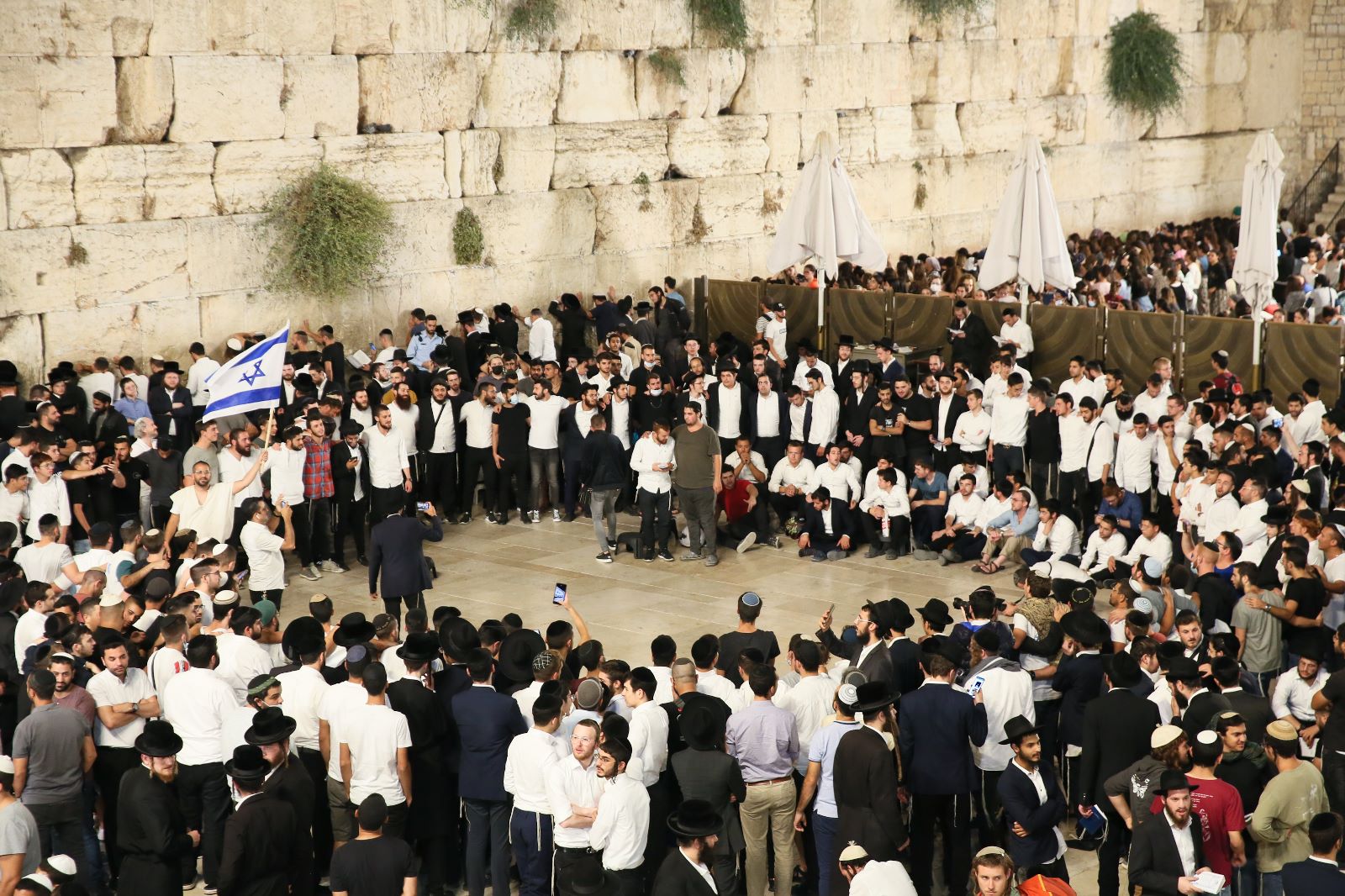
In recent years, the moment the fast ends has become one of Jerusalem’s most moving gatherings. After the evening prayer, thousands of Jews from across Israeli society assemble in the Western Wall plaza and sing together songs of longing, comfort, and messianic hope.
 1+
1+After the communal singing, worshippers recite the blessing over the new moon, and food and drink are distributed to those breaking the fast. Among the ancient stones of the Western Wall, facing the place from which the Divine Presence has never departed, the words that generations of Jews have used to conclude the Book of Lamentations are heard again tonight: “Restore us to You, O Lord, and we shall return; renew our days as of old.” One prayer, rising for nearly two thousand years, expressing hope for the day when Tisha B’Av will transform from a day of mourning into a day of messianic revelation.