


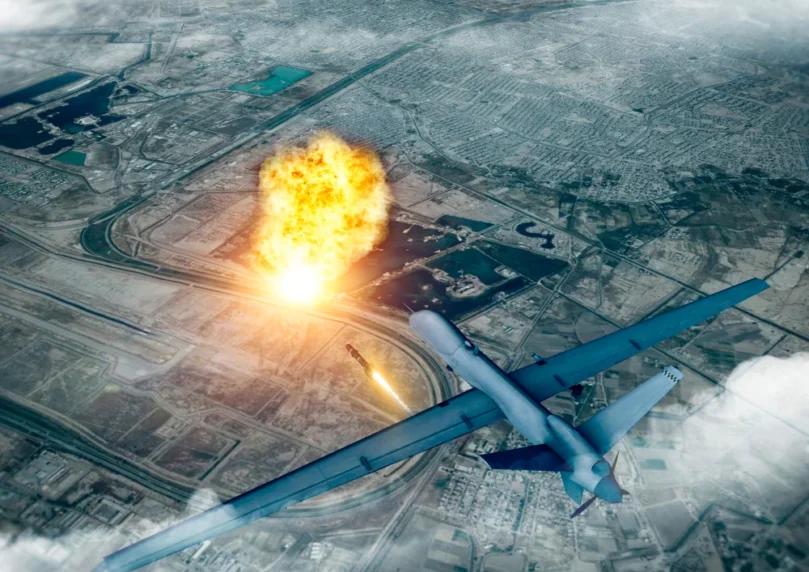

A growing intelligence assessment in Washington is raising alarm over what could be one of the most dangerous developments in the Iran-Russia alliance to date. U.S. intelligence is investigating whether Russia provided Iran with precise intelligence and advanced technology used to strike high-value Central Intelligence Agency (CIA) targets across the Middle East, according to a Reuters report published Wednesday.
The investigation, based on information from four sources familiar with the matter, is examining two possible forms of Russian assistance: whether Moscow provided Iran with intelligence used to select American targets or supplied advanced drone technology that enabled the unusually precise attacks. U.S. intelligence officials stress that no final conclusion has yet been reached regarding Russian involvement, but the launch of the investigation itself underscores the seriousness of the suspicions.

 1+
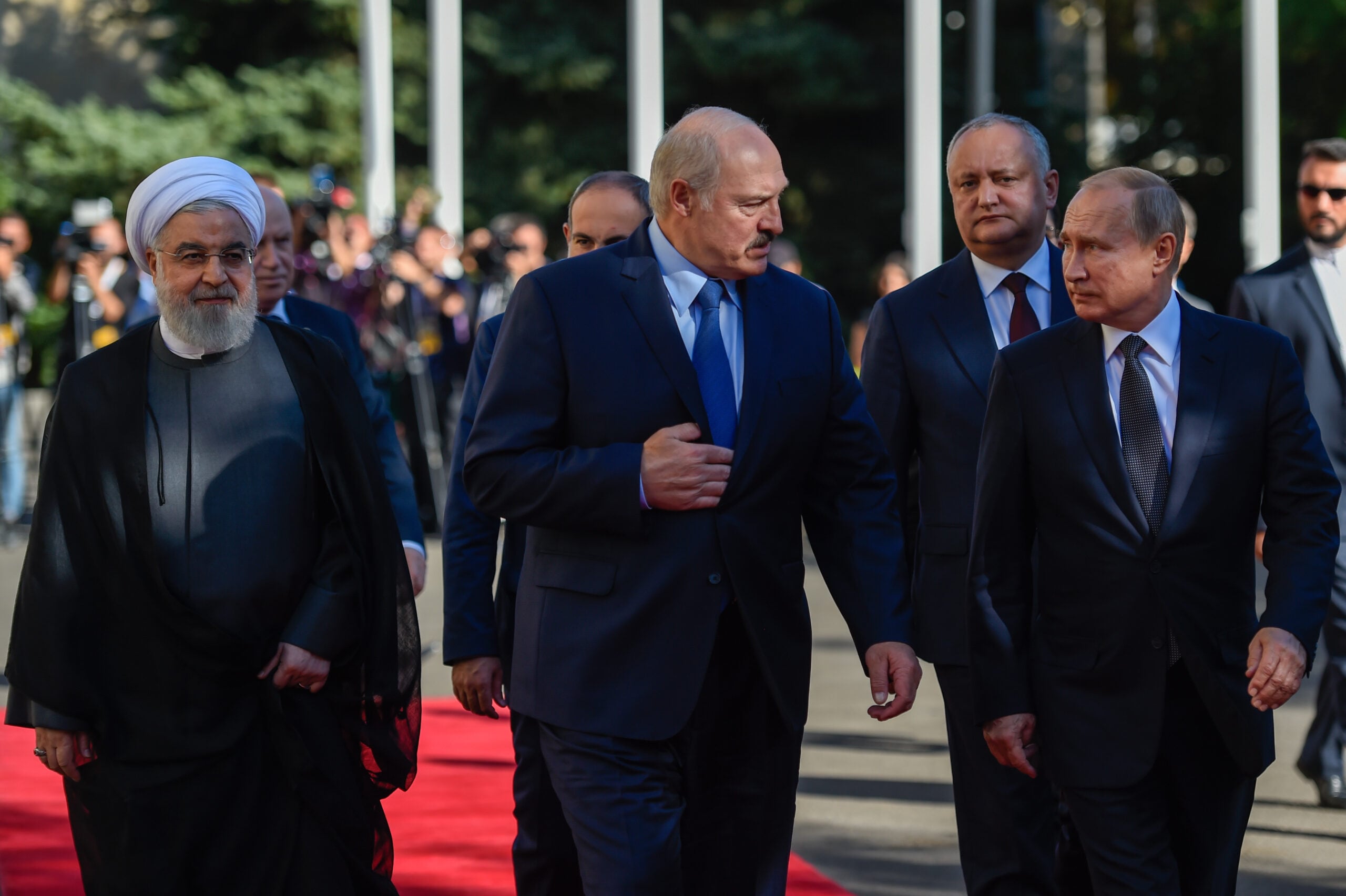
1+Suspicion in Washington intensified after Iran’s recent attacks demonstrated an unusually high level of precision and effectiveness, alongside the well-documented expansion of military and technical cooperation between Moscow and Tehran.
According to Reuters, at least two CIA facilities were struck during the attacks in March, including the agency’s station operating from the U.S. Embassy in Riyadh and another station in eastern Iraq. Some sources said additional CIA facilities were also hit but declined to identify their locations or specify how many were affected.
An internal assessment by one Western intelligence agency reportedly concluded that Russia was “likely” involved in helping Iran identify the targets. Intelligence officials believe there is a high probability Moscow played a direct role in supporting the operation, though investigators continue to examine competing explanations.
 1+
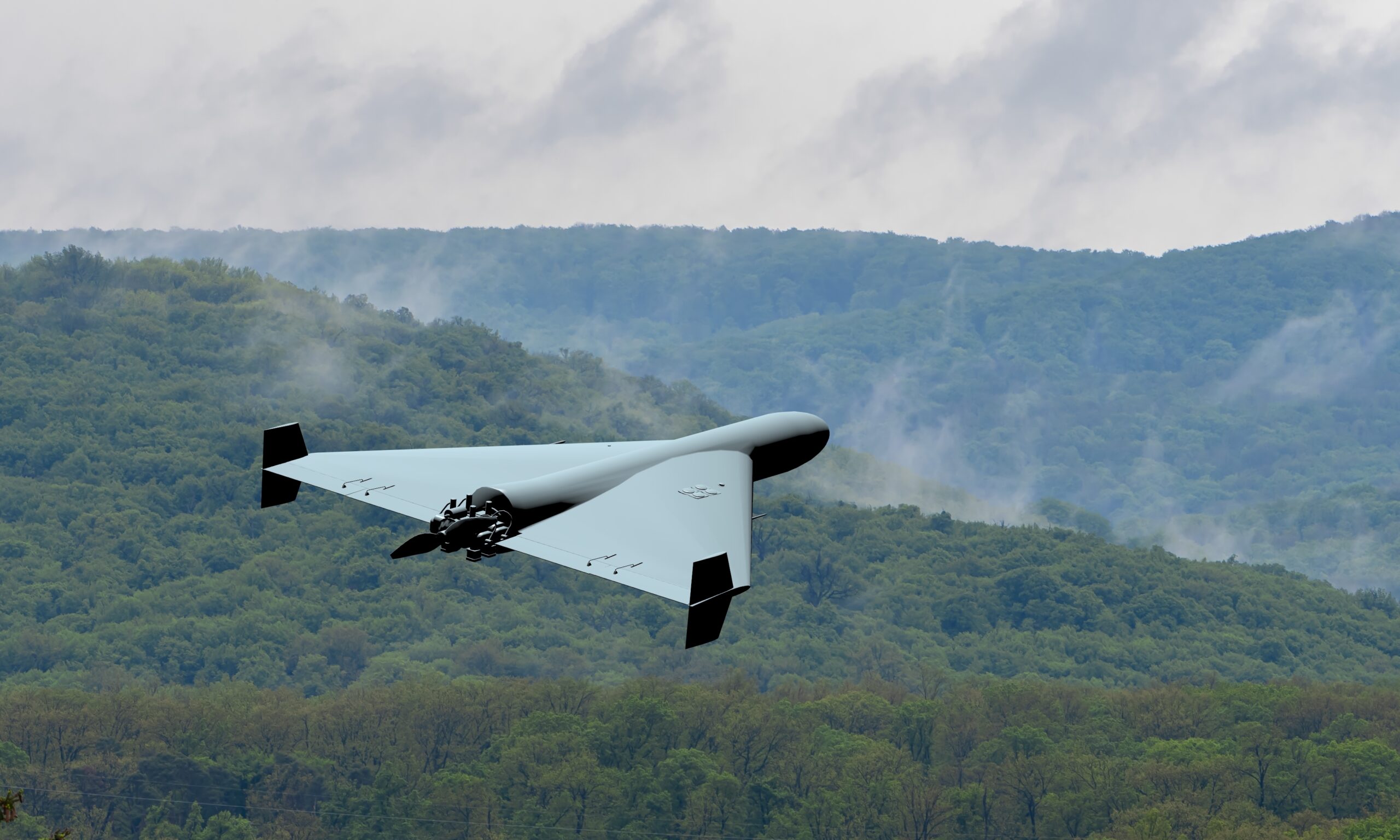
1+Western intelligence sources also revealed new details about the strike in Riyadh, saying it was likely carried out using two Russian-upgraded Shahed drones. According to the assessment, the first drone breached the building’s exterior, allowing a second drone to enter through the opening before detonating inside the compound. No casualties were reported.
Investigators are also considering an alternative possibility—that Iran’s intended target was the U.S. Embassy itself rather than the CIA station specifically, with the intelligence facility being struck because it operates within the embassy compound.
Beyond intelligence sharing, Western officials also point to significant technological upgrades in Iran’s drone capabilities as further evidence of Moscow’s involvement. According to one source, Russia helped Iran substantially improve the accuracy of its Shahed-136 drones by integrating the advanced Kometa-M satellite navigation system, which offers far greater precision and significantly stronger resistance to electronic jamming than Iran’s domestically developed guidance systems. The Kremlin has previously denied supplying the system to Tehran.
Daniel Hoffman, a former CIA station chief and covert operations officer, told Reuters that Russian assistance would not come as a surprise given the increasingly close strategic partnership between Moscow and Tehran. He said both governments share a common interest in reducing American influence across their respective spheres of influence.
The reported developments underscore a troubling escalation in the strategic partnership between Moscow and Tehran, suggesting that their military cooperation now extends well beyond the war in Ukraine. U.S. officials increasingly fear that the combination of Russia’s intelligence capabilities and advanced military technology with Iran’s regional operational reach could pose an unprecedented threat to American personnel and strategic assets across the Middle East.
If the investigation ultimately confirms Russia’s direct involvement, it would mark a significant escalation in Moscow’s confrontation with the United States—one that reaches far beyond Europe and into the heart of America’s intelligence and security infrastructure in the Middle East.