


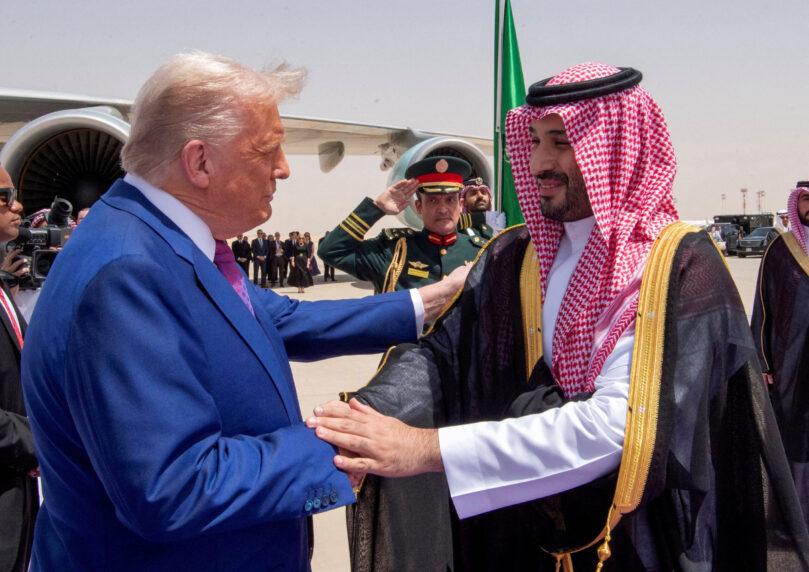

President Donald Trump has formally approved a historic 30-year agreement with Saudi Arabia that will grant the kingdom a civilian nuclear program, potentially pave the way for a US-supervised uranium enrichment facility, and trigger an expected firestorm in Congress. Blocking the deal would require a joint resolution and a two-thirds majority to override an anticipated presidential veto.
A new era in Washington-Riyadh relations: The Trump administration has formally approved a sweeping civilian nuclear cooperation agreement with Saudi Arabia, estimated to be worth tens of billions of dollars. The move is designed to give American companies, led by Westinghouse, a central role in developing the kingdom’s energy infrastructure while pushing out foreign competitors like Russia and China and ensuring close oversight of the process, the Wall Street Journal reported Wednesday morning.

 1+
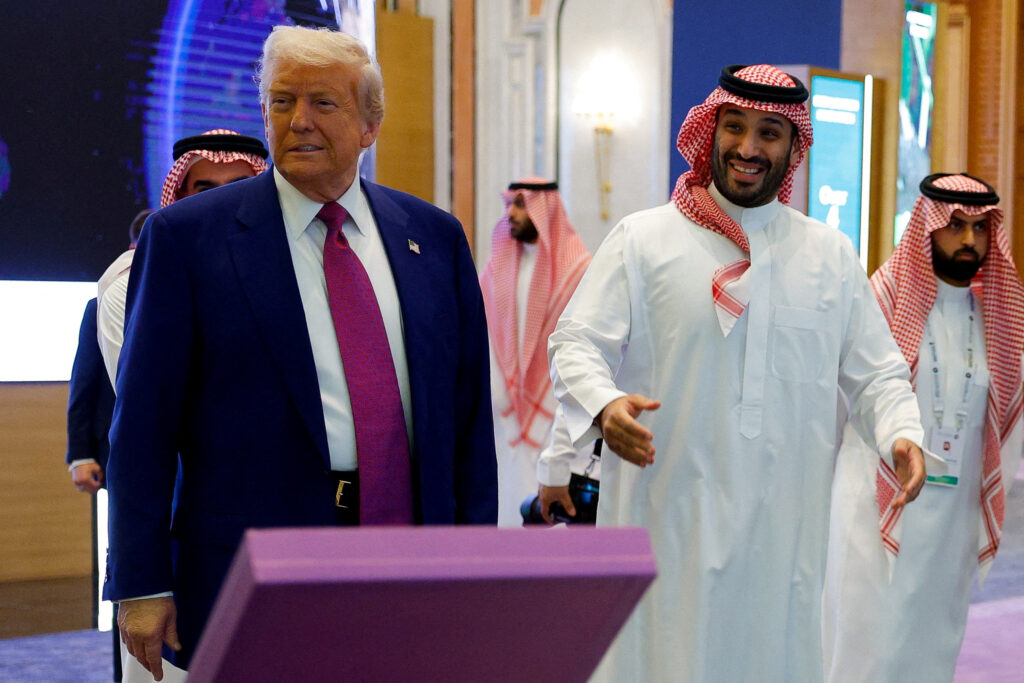
1+The agreement, expected to be signed Wednesday by US Energy Secretary Chris Wright and his Saudi counterpart Prince Abdulaziz bin Salman, includes a key provision allowing American companies to build a uranium enrichment facility in Saudi Arabia—but only if a two-year joint study determines the step is commercially justified. If construction of the facility is approved, it would be carried out in a secret “black box” format that would prevent the transfer of sensitive enrichment technology to Riyadh and ensure the materials are not used for military purposes.
After the signing, the agreement is expected to be submitted soon for review by the US Congress, where it is expected to face fierce opposition from lawmakers in both parties who are concerned about the spread of nuclear technology in the Middle East, especially given Saudi Arabia’s refusal to adopt the “gold standard” or the IAEA Additional Protocol.
 1+
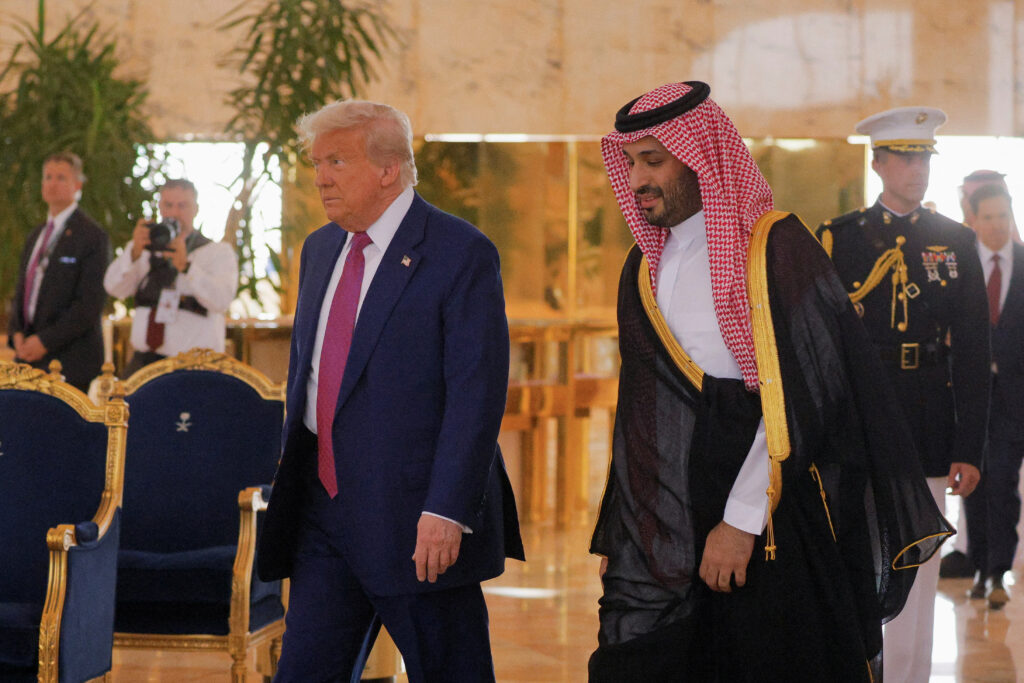
1+However, blocking the agreement would require a joint resolution and a two-thirds majority to override an anticipated presidential veto. Unlike the previous administration, Trump is not conditioning the nuclear deal on normalization with Israel, and his administration argues that direct American involvement will ensure the program remains entirely civilian and safe.
The announcement of the agreement comes against the backdrop of White House efforts to revive the American nuclear industry, alongside rising tensions with Iran and declining global oil supplies. Saudi Arabia, for its part, hopes to develop a nuclear industry that will meet domestic energy needs and free up more crude oil for export, while experts and lawmakers warn of the risks involved in granting uranium enrichment capabilities in one of the world’s most volatile regions.