



Amid a surging wave of Jew-hatred in the Big Apple, Jerry Wartski, a Poland native who survived the Ozorków and Łódź ghettos and the Auschwitz death camp, is sharing his painful reality. In an interview with the New York Post on Sunday, Wartski described how he now makes sure to cover the Star of David necklace around his neck whenever he leaves home—a precaution he never imagined he would take in the United States, a country he once viewed as a safe haven for Jews fleeing Nazi persecution.
Wartski’s criticism comes as Mayor Zohran Mamdani has faced mounting backlash from Jewish leaders and elected officials over his record on Israel and the Jewish community. A vocal supporter of the Boycott, Divestment and Sanctions (BDS) movement against Israel, Mamdani declined to participate in New York City’s annual Israel Day Parade and has said he would seek to arrest Israeli Prime Minister Benjamin Netanyahu if he visited the city, citing the International Criminal Court warrant. His wife has also sparked outrage for publicly expressing support for Hamas-linked slogans during anti-Israel demonstrations.

 1+
1+More recently, Mamdani drew criticism after celebrating New York’s immigrant history while completely omitting the city’s foundational Jewish and Italian immigrant communities, instead highlighting a series of Muslim immigrant enclaves.
Wartski’s concerns also come against the backdrop of an online information war that extends far beyond New York. Since Hamas’ October 7 massacre, anti-Israel and anti-Jewish narratives have flooded social media, fueled in part by documented influence campaigns linked to foreign adversaries such as Iran and Russia.
U.S. officials and researchers have warned that these coordinated online influence campaigns are designed to inflame tensions within American society, deepen political divisions, erode confidence in Western institutions and values, and weaken support for the U.S.-Israel alliance.
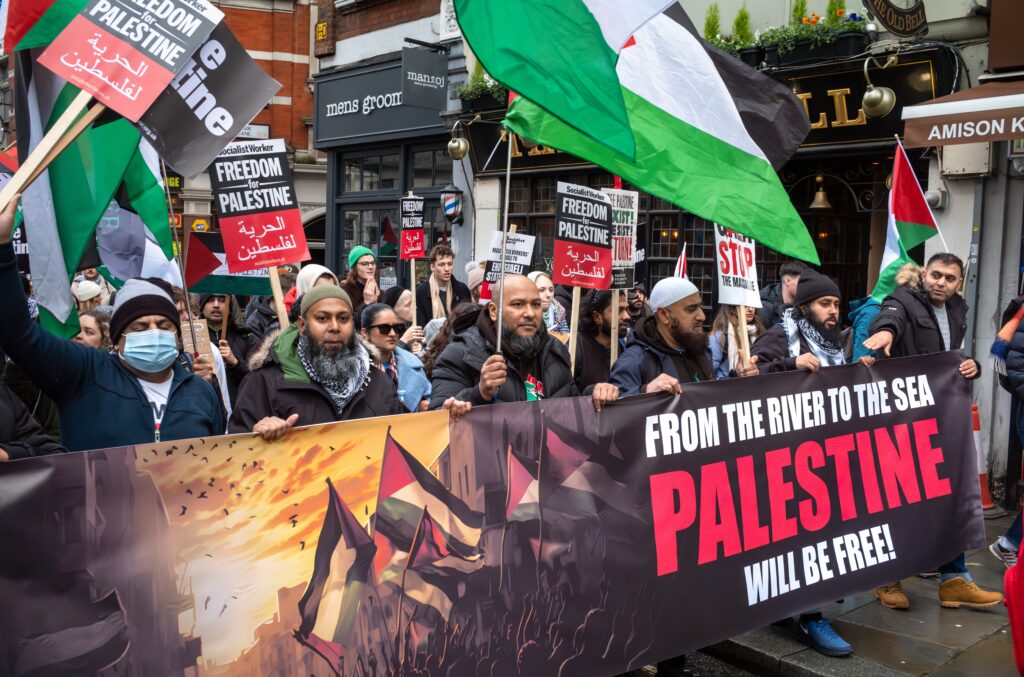
Those efforts have found fertile ground online through a growing network of activist influencers, including some Islamist content creators, who have helped normalize rhetoric that critics say increasingly blurs the line between political opposition to Israel and hostility toward Jews. Their messaging often extends beyond criticism of Israeli government policy to broader attacks on Zionism, Western values, and, in some cases, Jewish communities themselves.
 1+
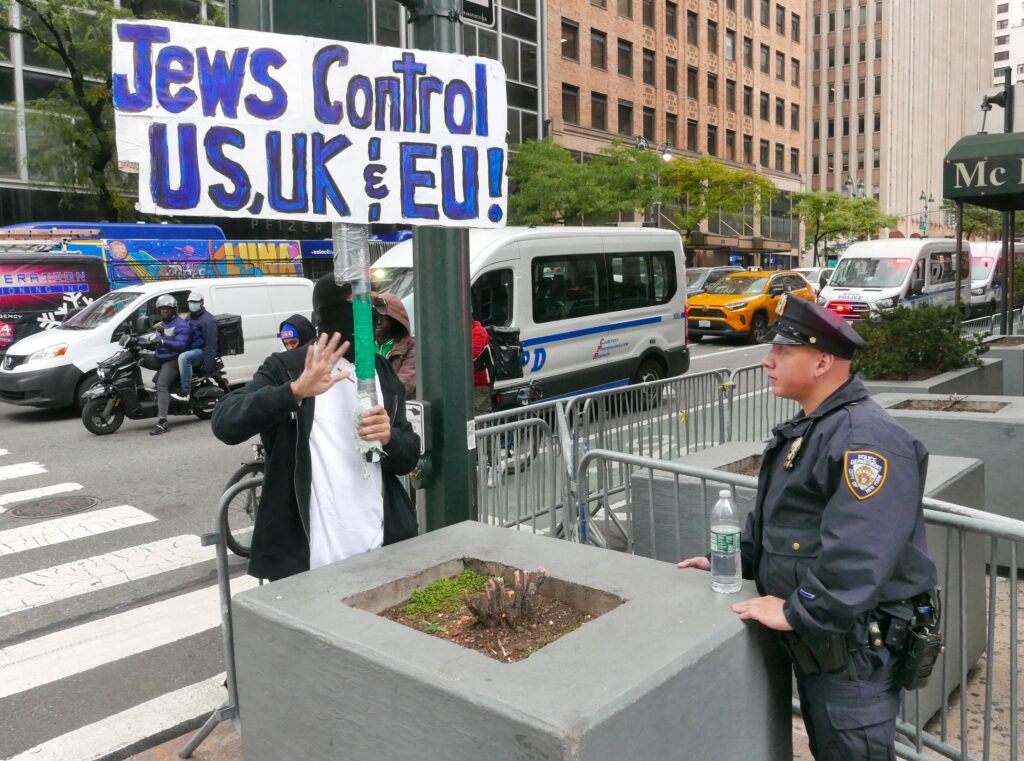
1+The dramatic deterioration in the sense of security among New York’s Jewish community—including a series of antisemitic incidents on the subway in May 2026—reinforces Wartski’s warning that the city has become an increasingly hostile place for Jews.
“You have to open your eyes to what’s happening,” Wartski said. “It’s the same old story. I button up my shirt. I don’t advertise that I’m Jewish.”
At the same time, Wartski voiced support for President Donald Trump, saying he is “fighting the right fight” against radical elements. Despite his fears, Wartski said he remains deeply grateful for the life he built in New York as a businessman and real estate developer after surviving the horrors of the Holocaust.
For Wartski, who survived the ghettos and Auschwitz before rebuilding his life in America, feeling compelled once again to hide that he is Jewish is a chilling full-circle moment. When a Holocaust survivor warns that the warning signs of growing Jew-hatred resemble those that preceded one of history’s darkest chapters, Americans would be wise to listen.