



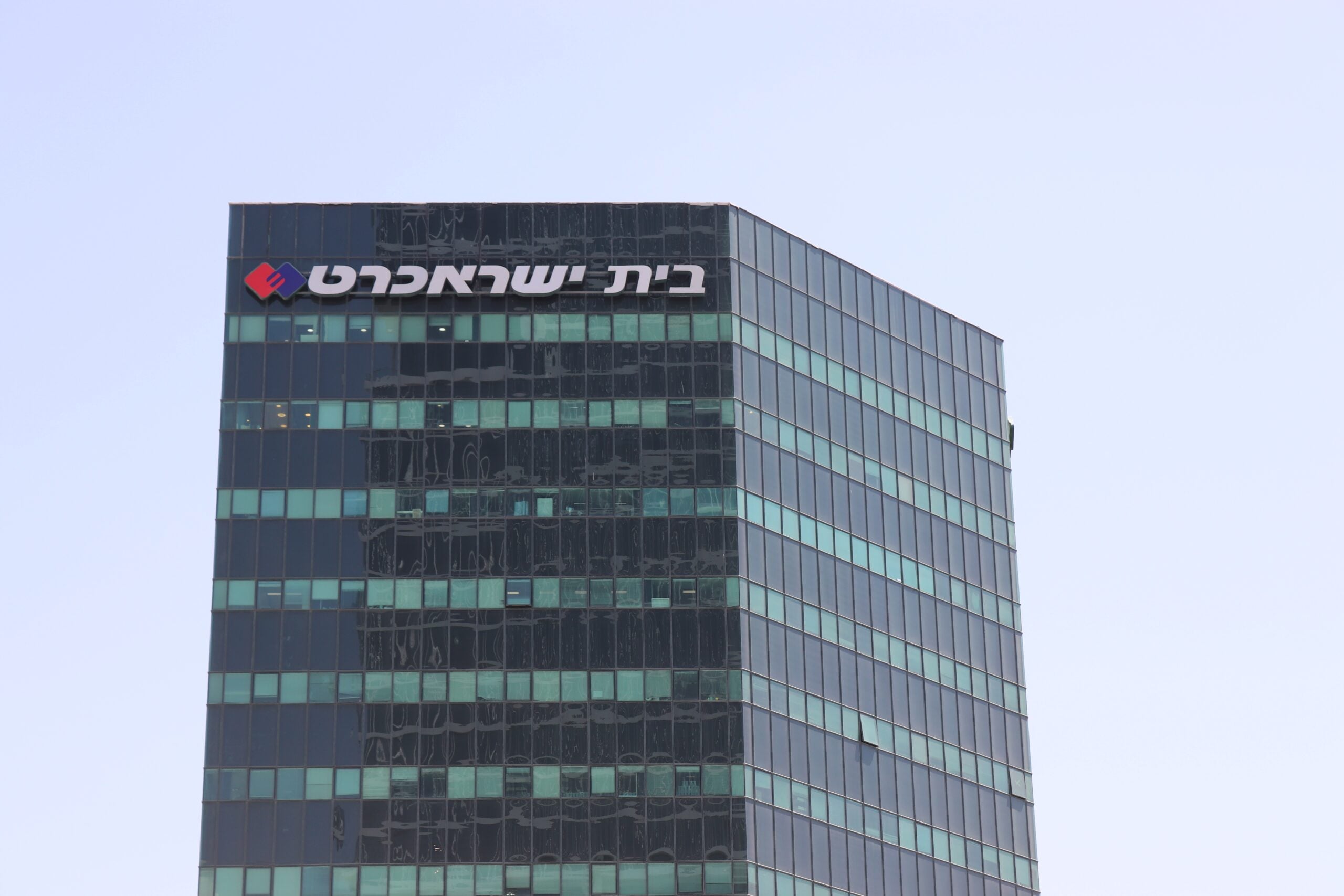
Less than six months after announcing plans to acquire digital bank Esh, Isracard said Sunday evening the deal has fallen through. The credit card company told the Tel Aviv Stock Exchange that its memorandum of understanding with Esh’s shareholders expired without reaching a binding agreement—ending negotiations without a deal.

 1+
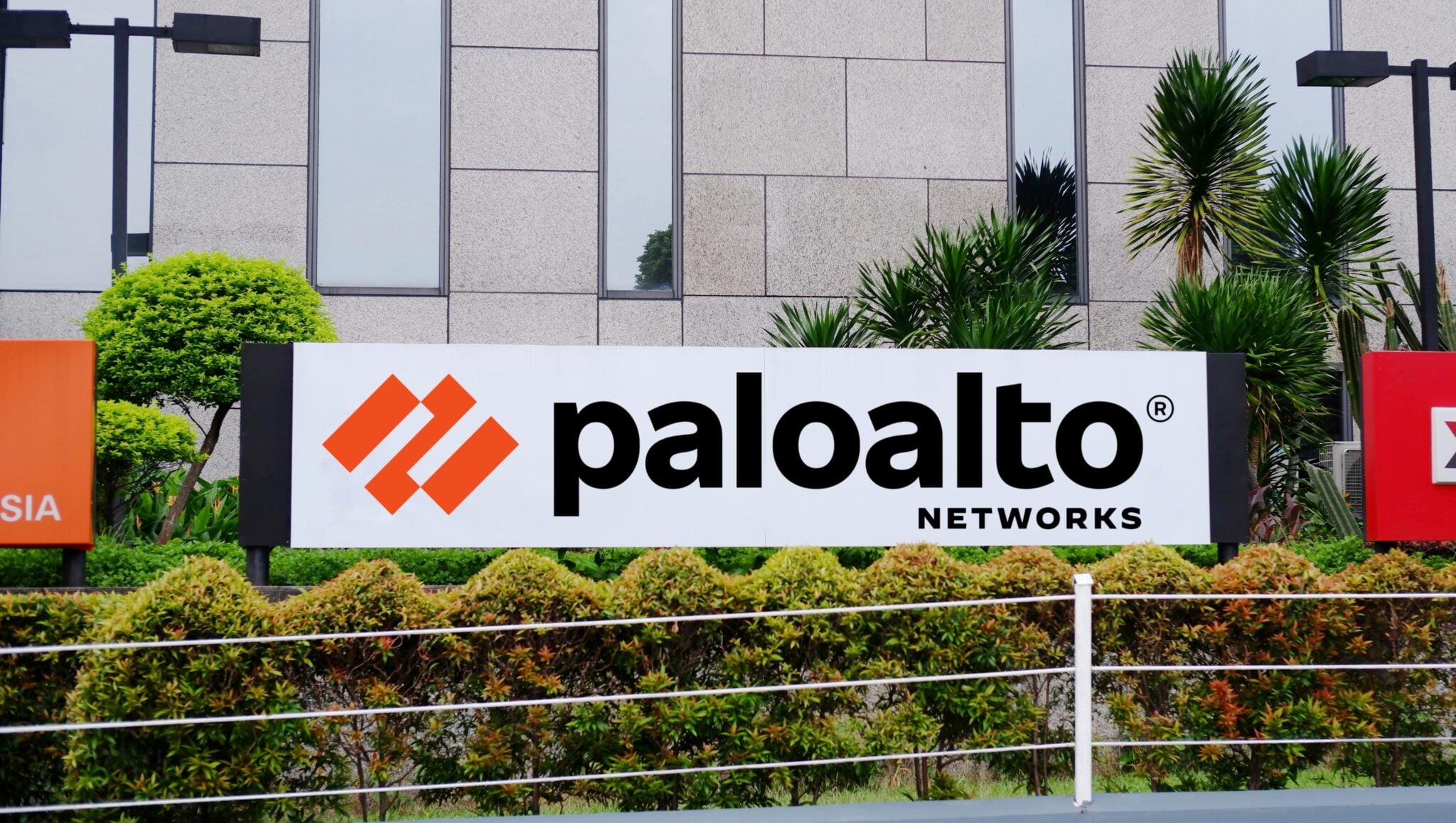
At the center of the Esh venture stands entrepreneur and tech executive Nir Zuk, co-founder of cybersecurity giant Palo Alto Networks, who holds roughly 20% of the bank’s shares. Zuk is among the prominent figures behind the digital bank’s launch, designed to offer an alternative to Israel’s traditional banking system and boost competition. Alongside Zuk are co-founders Yuval Aloni, Alex Liverant, and Shir Raanan, who together hold 45% of the shares, as well as Alon Shein, Prof. Shmuel Hauser, Clal Insurance, company employees, and private investors.
The deal, signed by both sides last March, was set to value Esh at up to ₪500 million (~$164 million). Most of the consideration was planned through issuing Isracard shares to Esh’s shareholders, alongside additional payment components tied to meeting business targets. Isracard was also set to invest roughly $40 million in eOS, the technology company developed by the bank’s founders that operates its core banking system.
 1+
For Zuk and his partners, the deal’s collapse returns Esh to square one regarding its independent path forward. Just last year, the bank’s leaders unveiled their vision for a new kind of banking—offering checking accounts with no fees, sharing half of interest income with customers, and paying fixed interest on checking balances. The model was designed to pull customers away from Israel’s major banks. Meanwhile, Isracard loses the chance to gain immediate entry into banking operations ahead of reforms that will allow the creation of “lean banks” in Israel. The move was seen as one of the most significant strategic steps the company had planned in recent years.
In the background, Isracard shares continue to show weakness, losing roughly 31% since the start of the year. The company, controlled by Yitzhak Tshuva’s Delek Group, now trades at a market cap of about ₪3.52 billion (~$1.158 billion).