


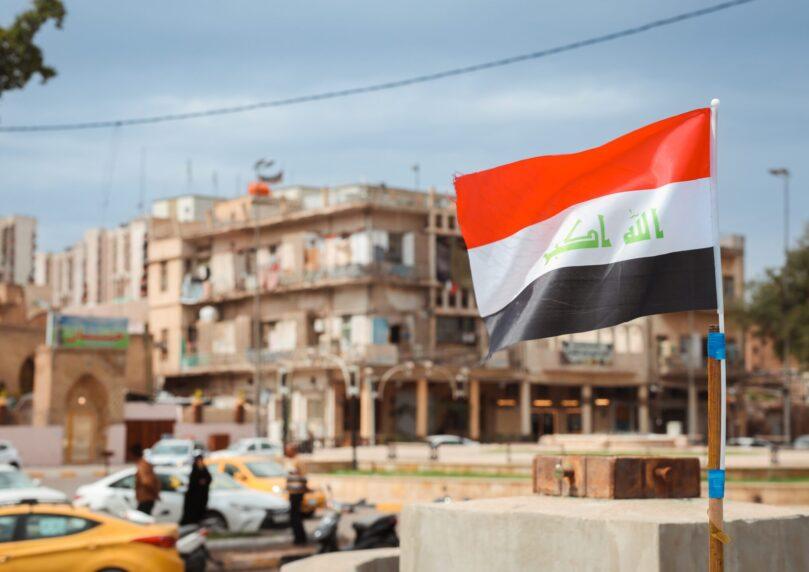

Iraq is executing a rapid strategic shift in its energy supply chain, using a massive fleet of trucks to haul fuel through Syria and Jordan, Bloomberg reported Sunday. The move aims to bypass the Strait of Hormuz, a critical chokepoint for global oil exports, and prevent a scenario where lack of shipping options would force Iraqi refineries to shut down.


 3+
3+In just a few months, the region’s logistics reality has changed: Syria, which previously exported no fuel at all, has become the leading export hub in the Middle East. Data from Vortexa shows that in June alone, roughly 720,000 tons of Iraqi fuel passed through Syria—accounting for about 28% of all product exports in the region.
The Logistics Behind the Land Route
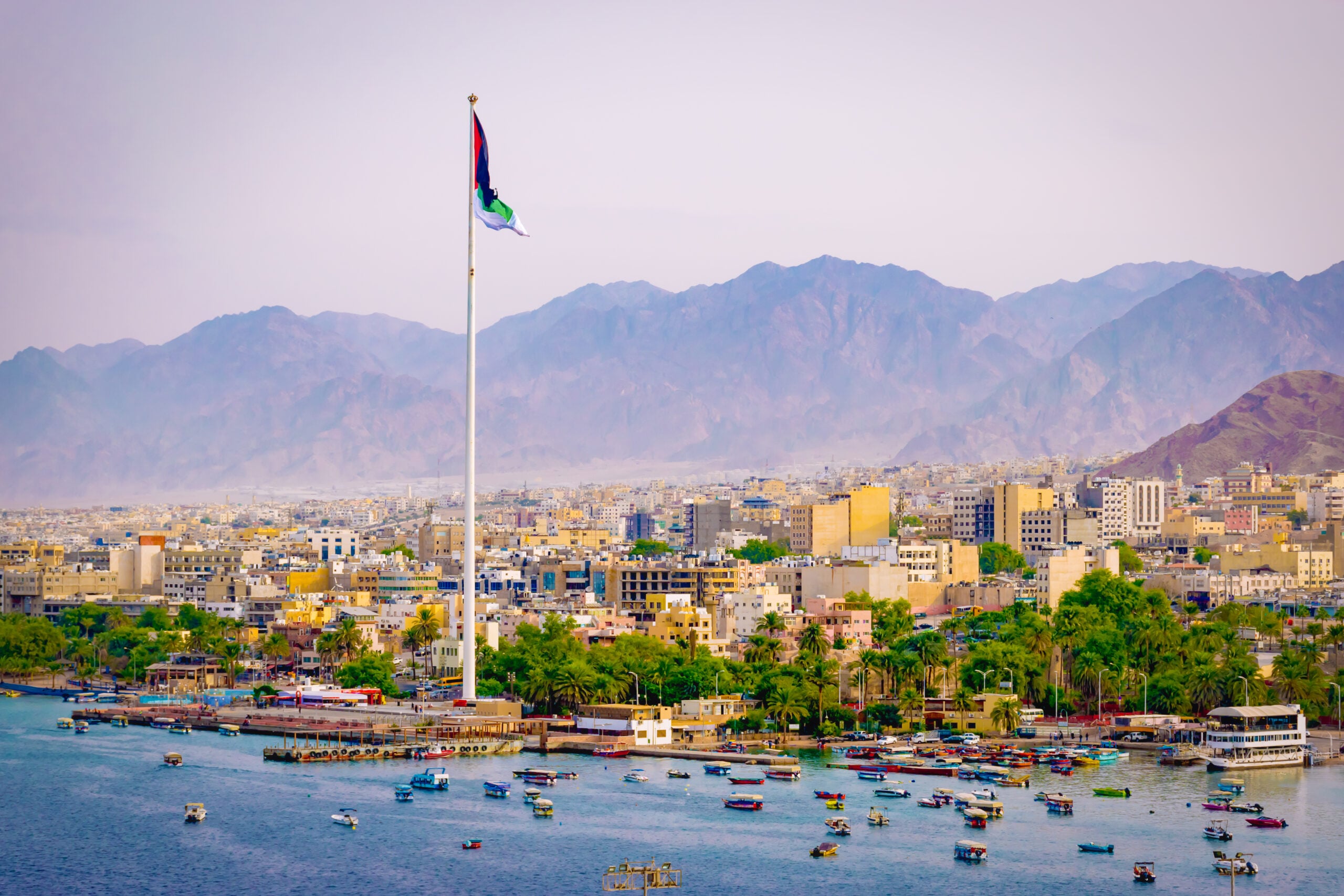
The shipments move via thousands of trucks, each carrying about 20 tons of fuel on a four-to-six-day journey to Syrian and Jordanian ports. It’s a massive logistical effort compared to sea transport, but critical for maintaining business continuity. International trading companies like Lytton SA are leading much of the activity through Syria’s Banias port, while Jordan’s Aqaba port serves as an additional route.
 3+
3+The need for alternative routes intensified with escalating conflicts in the Strait of Hormuz, through which about a fifth of global oil supplies pass. Other Persian Gulf states, including the United Arab Emirates and Saudi Arabia, are also expanding pipeline infrastructure to ports outside the Gulf to reduce dependence on the vulnerable waterway.
Political and Economic Implications
The Iraqi move is gaining international support, including steps to restore economic relations with Syria after years of sanctions. High-level visits, alongside interest from international energy companies, signal Syria’s transformation into a strategic hub for Iraqi energy exports. The goal is to weaken Iran’s influence over trade routes and ensure economic stability for Iraq.
 3+
3+Alongside the current truck traffic, Iraq and Syria are examining the possibility of reviving the Kirkuk-Banias oil pipeline, which has been dormant for decades. The U.S. administration is expressing support for rehabilitating the pipeline as part of strengthening regional trade routes, though the project is expected to face security challenges in areas where ISIS cells still operate.
Looking Ahead: Diversification as a Core Principle
Even if regional conflict ends and traffic through the Strait of Hormuz returns to normal, experts estimate the land routes now being established will remain an essential part of Iraqi strategy. The central lesson learned from the current crisis is the importance of diversifying export routes—a historical insight that has returned to the forefront for decision-makers in Baghdad.
 3+
3+Ultimately, Iraq is working to secure its oil revenues while turning the current conflict into an opportunity to build more resilient infrastructure. Today’s use of trucks represents only the first stage in a broader process of energy and economic independence, attempting to draw a new map of interests in the Middle East.