


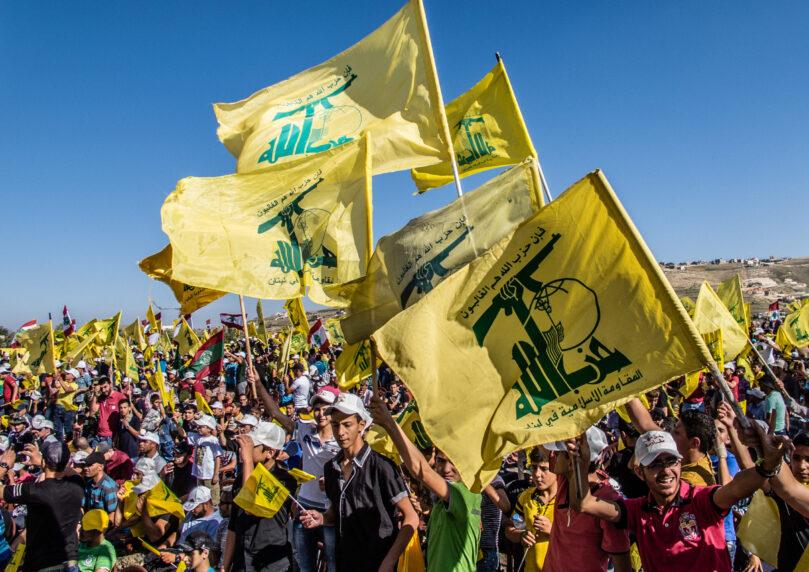

The sixth round of direct talks between Israel and Lebanon, taking place in Rome this week, is focusing on one of the most sensitive issues in the negotiations: transferring two pilot zones in southern Lebanon from IDF control to the Lebanese army. Under the framework being discussed, Lebanon’s army would assume full security responsibility in these areas and work to disarm Hezbollah.
But in Lebanon itself, some are questioning whether the army can actually carry out the mission. In an interview with Channel 14, L., a Lebanese citizen who opposes Hezbollah, argued that peace between Israel and Lebanon is “a shared and urgent need for both sides,” adding that it’s time for the two countries to live “in peace and security as neighbors.”
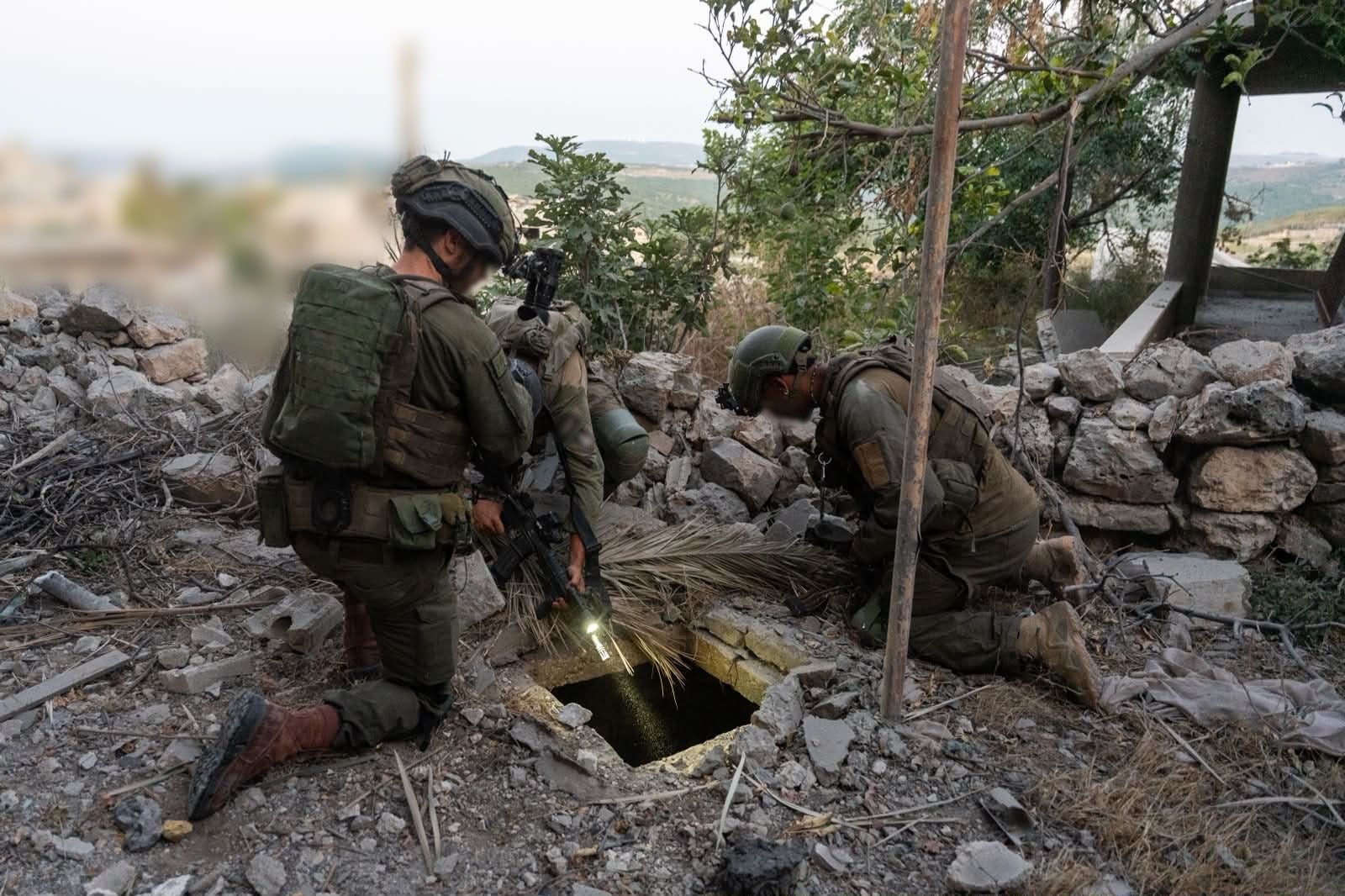
According to him, the path to that runs through completely disarming Hezbollah. But he claims Lebanon’s army isn’t the force that can do it, because within the army’s ranks are many soldiers from the Shiite community who identify with Hezbollah. “The militia that Iran established must leave completely,” he said. “The one capable of removing it is certainly not the Lebanese army, because it’s managed along sectarian lines and isn’t capable of carrying out the mission.”
He further claimed that disarming Hezbollah would only be possible through war or through a foreign military force that would be agreed upon, whose role would be to disarm the organization.
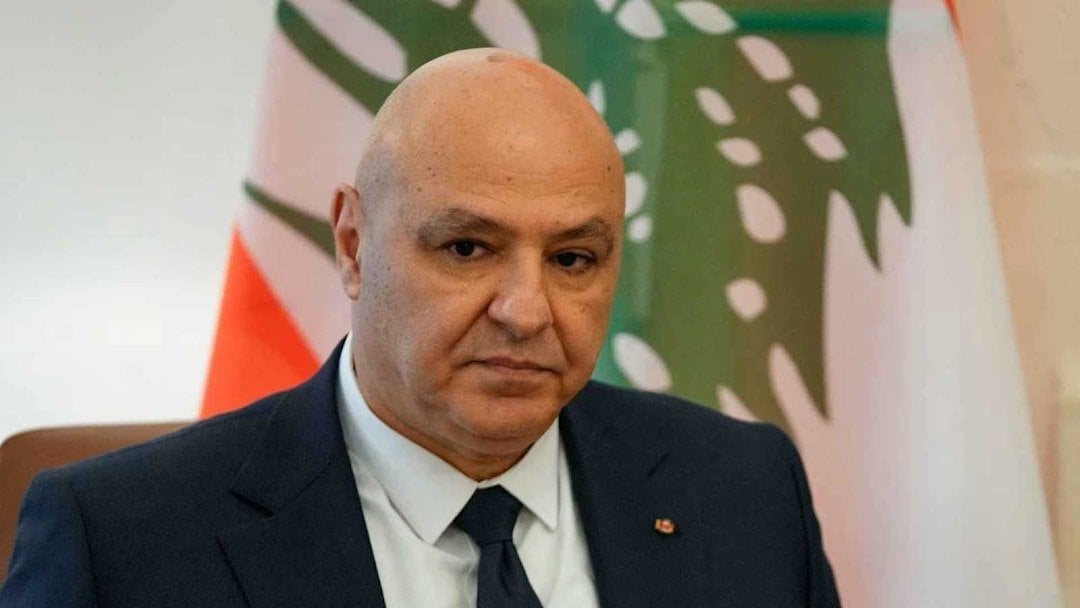
Meanwhile, public discourse in Lebanon around the possibility of a deal with Israel is becoming more open, and recently even voices supporting the idea have been heard from a minority within the Shiite community. During a debate broadcast over the weekend on Lebanon’s MTV channel, Ali Khalifa, a Shiite professor of citizenship studies and Hezbollah opponent, declared that he would be happy to drink whiskey in Tel Aviv if a peace agreement is signed between the countries.
The statement drew furious reactions in the studio. One participant accused him of “inventing a new religion” and claimed he couldn’t speak for the Shiite community. Khalifa responded that it was his personal choice, and even wondered in response: “Shiites don’t drink whiskey? What do you want?”
The confrontation illustrated the depth of the divide in Lebanon over the very possibility of normalization with Israel—a divide playing out alongside the political and security contacts taking place behind the scenes between Jerusalem and Beirut.