


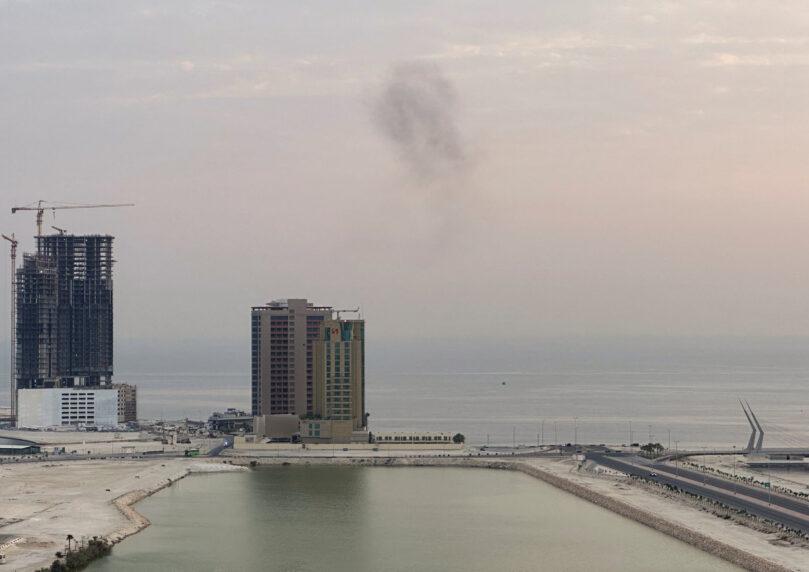

Explosions were heard Tuesday in the port area of Bandar Abbas in southern Iran, according to local reports. Later, blasts were also reported in the Bushehr area in the country’s southwest. The reports come after another night of strikes between the United States and Iran, which included extensive American attacks on military targets in Iran alongside Iranian claims of strikes against American targets in Gulf states.

 1+
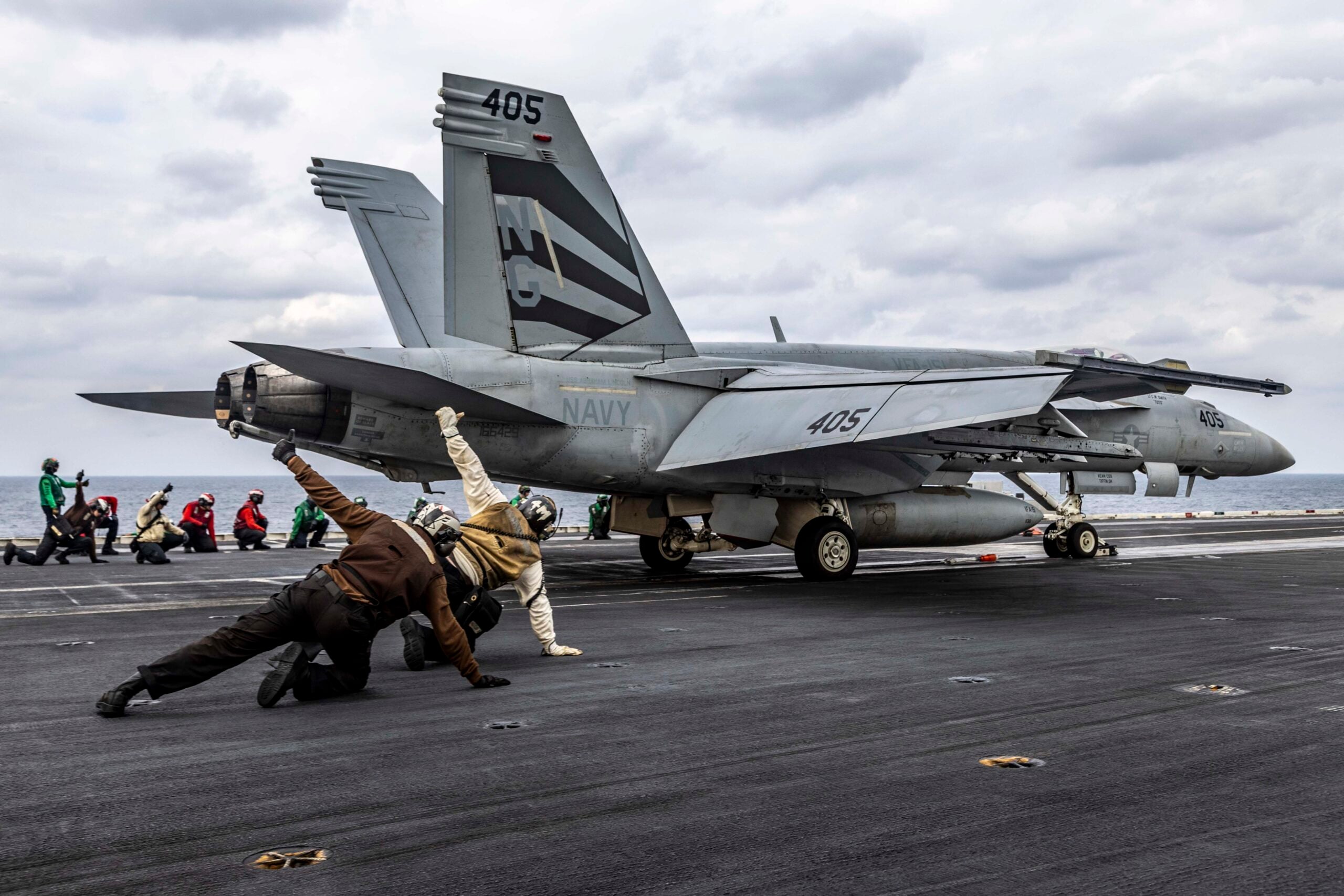
1+U.S. Central Command (CENTCOM) announced early this morning that it completed another wave of strikes against Iran, following a mission that lasted about five hours. According to the American statement, forces hit military targets across Iran, including Bushehr, Chabahar, Jask, Konarak, Abu Musa, and Bandar Abbas, aiming to degrade Iran’s ability to attack commercial ships in the Strait of Hormuz.
CENTCOM said the strikes used precision munitions against Iran’s coastal defense systems, missile and drone sites, and naval capabilities. The command added that more than 50,000 American service members are currently deployed across the Middle East, and that U.S. forces “remain vigilant, lethal, and ready.”
During the night, President Donald Trump delivered remarks at the White House, clarifying that the strikes target Iranian capabilities related to the Strait of Hormuz. “We’re taking out their offensive capabilities,” Trump said, adding that he believes “a deal is possible.” He said the United States also wants financial compensation for the defense it provides to Gulf states in the Strait of Hormuz region.
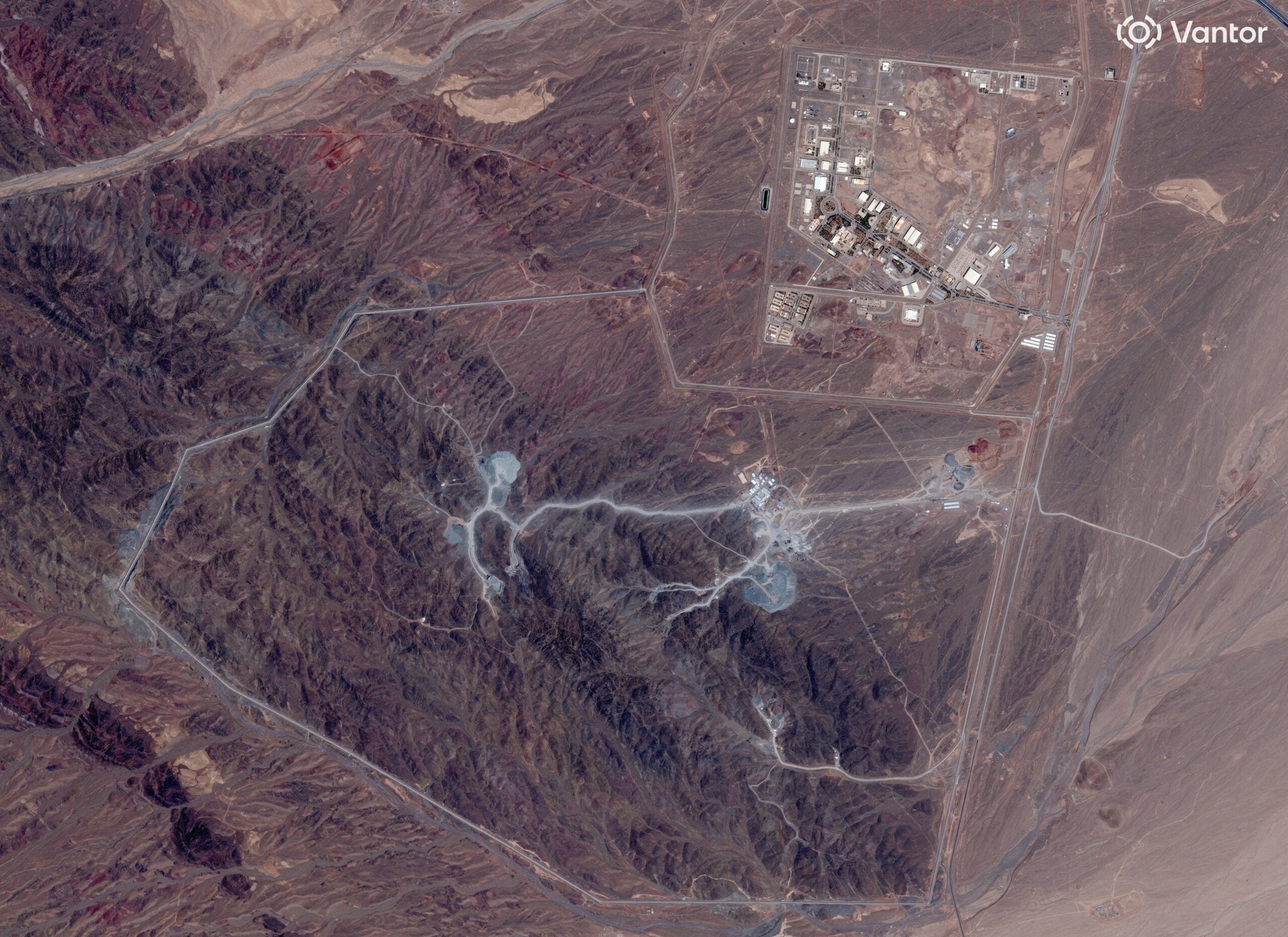
Earlier, in an interview with radio host Hugh Hewitt, Trump said the U.S. would hit Iran hard, after Tehran failed to honor the memorandum of understanding, according to him. When asked about “Pickaxe Moutain,” an underground site near Natanz that is feared could serve Iran’s nuclear program, Trump said it’s a possible strike target: “We have eyes on the place, from space and a lot of surveillance means.”
 1+
1+Meanwhile, Iran claimed the Revolutionary Guards attacked American targets in the Gulf, including the U.S. Navy’s Fifth Fleet in Bahrain. According to Iranian claims, fuel depots, radar systems, warning systems, and control centers were hit. Iran’s military also claimed it struck U.S. military facilities in Kuwait, including communications systems, fuel tanks, a Patriot system, a control tower, and an ammunition depot.
The United Arab Emirates announced that two oil tankers were hit by two Iranian cruise missiles in the southern Strait of Hormuz, and that an Indian crew member was killed in the attack. Eight others were wounded, four of them seriously, according to the statement. The UAE said fires that broke out on the tankers were extinguished, and the country reserves the right to respond to the escalation.
Meanwhile, Oman, located on the other side of the Strait of Hormuz, is trying to advance a regional arrangement that would ensure freedom of navigation in the strategic waterway. Omani Foreign Minister Badr al-Busaidi said complex discussions are underway to formulate a long-term arrangement on the issue.
According to al-Busaidi, “We bear the responsibility to work with Iran and the international community to reach an arrangement.” He added that “the most serious threats to Gulf security do not come from within the region, but from decisions and actions taken outside it, especially in Tel Aviv.” He also said the relationship with the United States must be reorganized to fit the strategic reality exposed by the war, and claimed that “the war was a disaster and failed to achieve any of its objectives.”
The latest developments place the Strait of Hormuz once again at the center of the confrontation between Iran and the United States. On one hand, Washington is intensifying strikes against Iranian military capabilities in the region; on the other, Tehran continues to threaten and carry out, according to its claims, attacks against American targets and targets related to Gulf shipping. In between, Oman is trying to forge a diplomatic path that will curb the escalation and ensure continued freedom of navigation in one of the world’s most important waterways.