


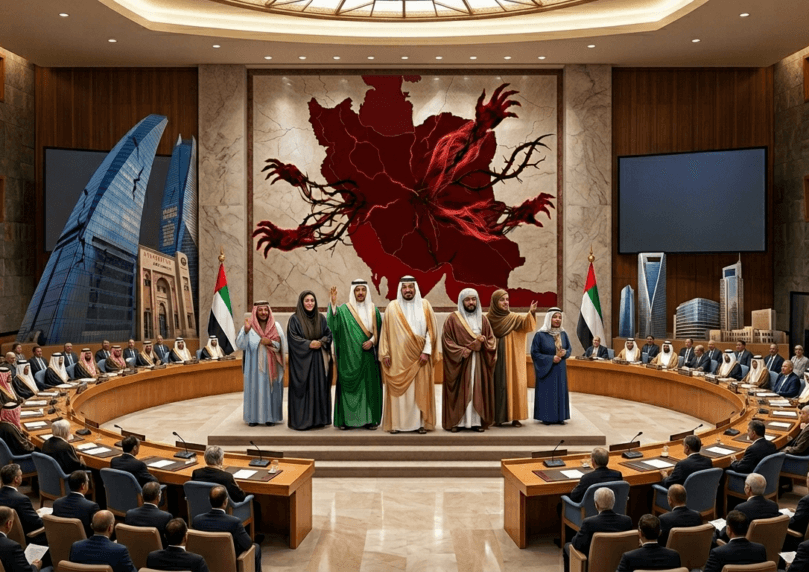

The Houthis’ swift response to a Saudi strike on Sanaa’s airport marks the depth of renewed tensions between the sides, and how the Yemeni rebels are seeking to establish a response equation with Riyadh. Within hours of issuing threats, the Houthis fired ballistic missiles and drones at Saudi Arabia, including at Abha International Airport.
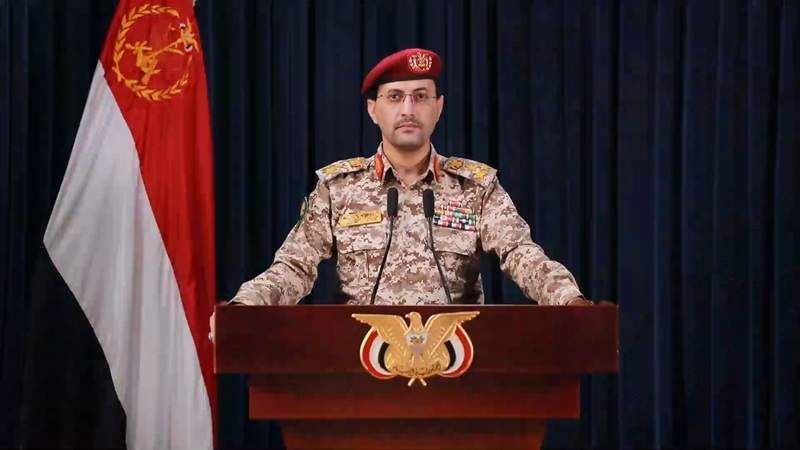
Saudi Defense Ministry spokesman Turki al-Maliki confirmed that the kingdom’s air defense systems dealt with a ballistic missile threat launched by the Houthis toward southern Saudi Arabia. Meanwhile, Houthi military spokesman Yahya Saree claimed the operation was carried out in response to the Saudi strike on Sanaa International Airport, which he described as part of “the continued siege” on the Yemeni people.

 2+
2+According to the Houthis, the Saudi strike targeted Sanaa’s airport to prevent it from operating humanitarian flights. In their statement, they claimed they attacked Abha airport with several ballistic missiles and drones, and that the operation “achieved its objectives.” The terror group also warned airlines against flying in Saudi airspace until what they call “the siege” on Sanaa’s airport is lifted.
Saudi Arabia, which backs the internationally recognized Yemeni government, and the Houthis, who are backed by Iran, have been locked in years-long tensions. Though a certain calm was achieved between the sides in 2022, no final agreement was signed, and tensions have continued amid regional escalations in recent years.
 2+
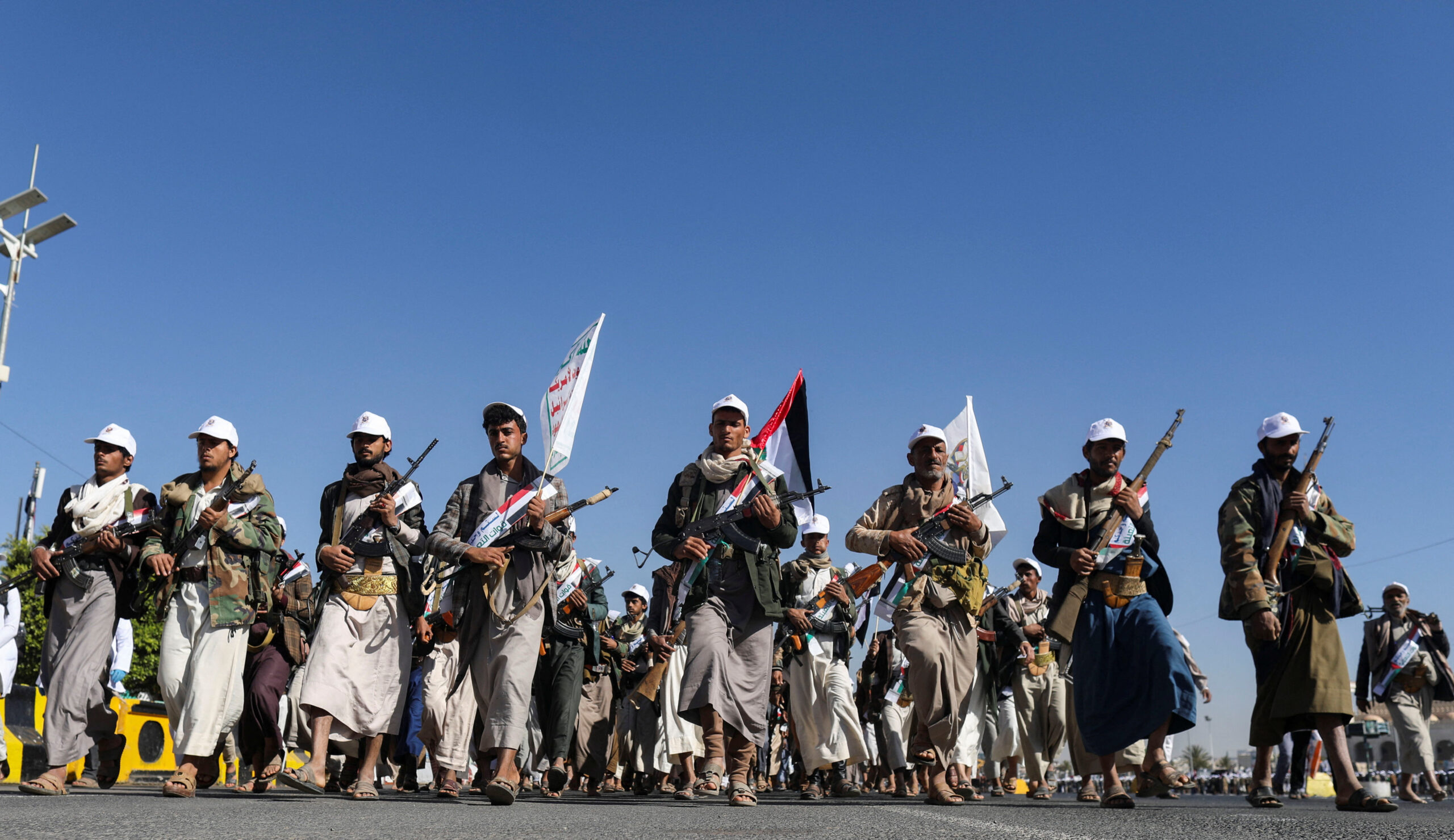
2+In recent weeks, the Houthis have also prepared on the ground for the possibility of further escalation with Saudi Arabia, including through armed tribal gatherings. From their perspective, the confrontation with Riyadh remains open, alongside preparations for additional rounds against Israel.
The Houthi response also points to a growing sense among regional actors that Gulf states’ deterrence is eroding. Strikes against targets in the Gulf, once seen as moves with potential for broad and unpredictable escalation, are becoming more predictable in terms of response patterns and costs, according to this assessment.
 2+
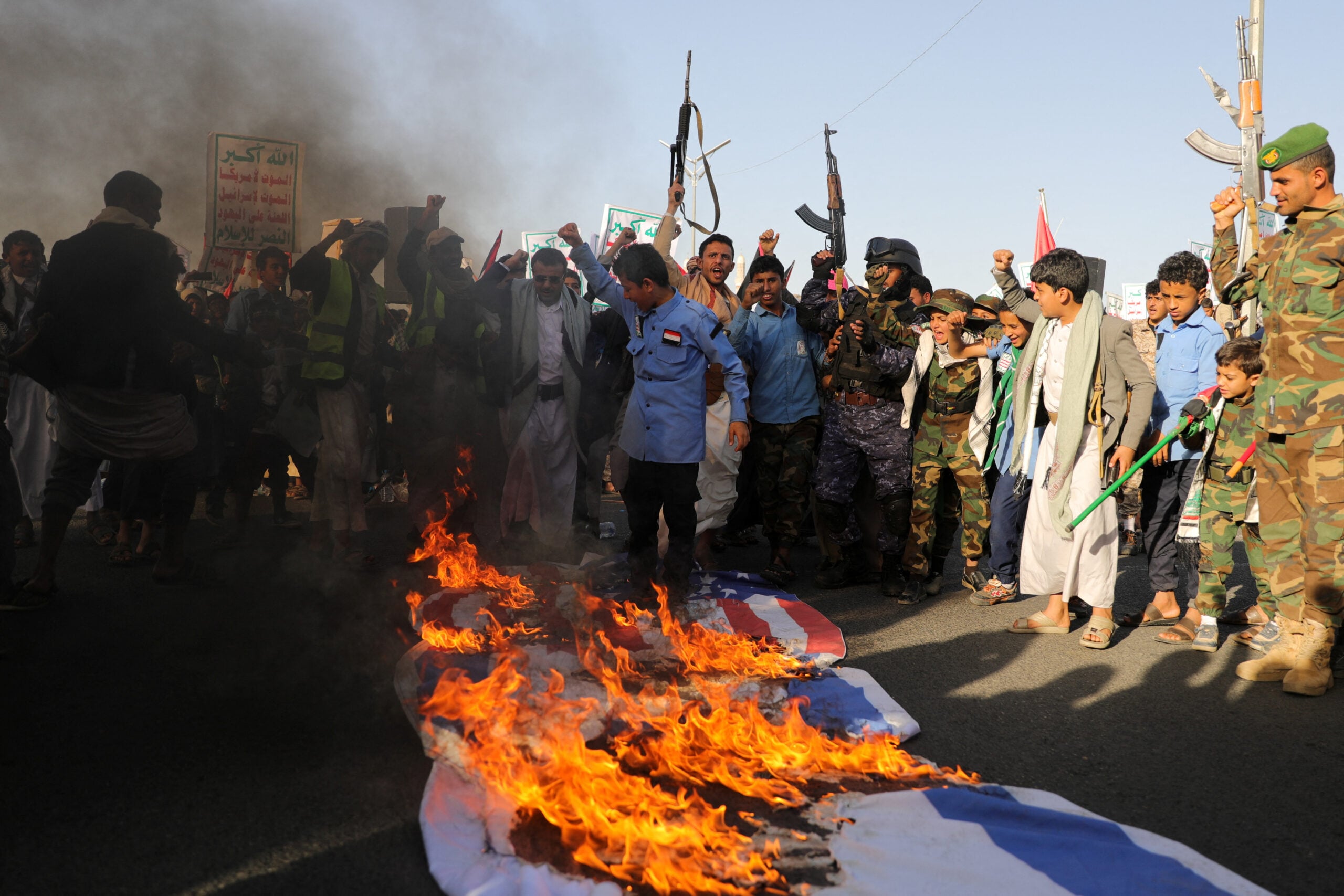
2+In the background is Iran, the Houthis’ main patron, which is currently engaged in confrontation with the United States and on additional fronts in the Gulf. Nevertheless, the Houthis continue to operate with confidence that Tehran stands behind them, especially after seeing how Iran intervened on behalf of Hezbollah in Lebanon in previous rounds.
In practice, the terror group is seeking to draw a clear equation: a strike on an airport in Yemen will be answered with a strike on an airport in Saudi Arabia. In doing so, they’re trying not only to respond militarily, but also to send a broader regional message—that Saudi Arabia and the Gulf states are not beyond the reach of Iran’s proxies in the region.