


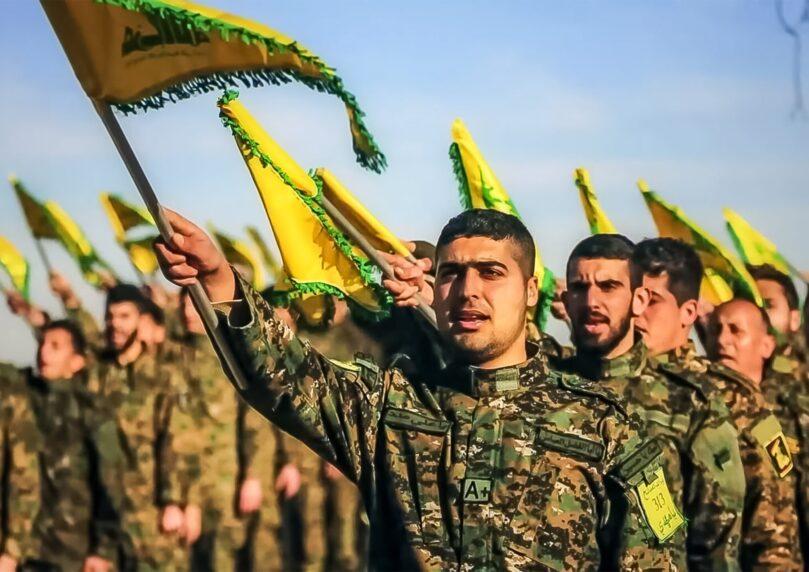

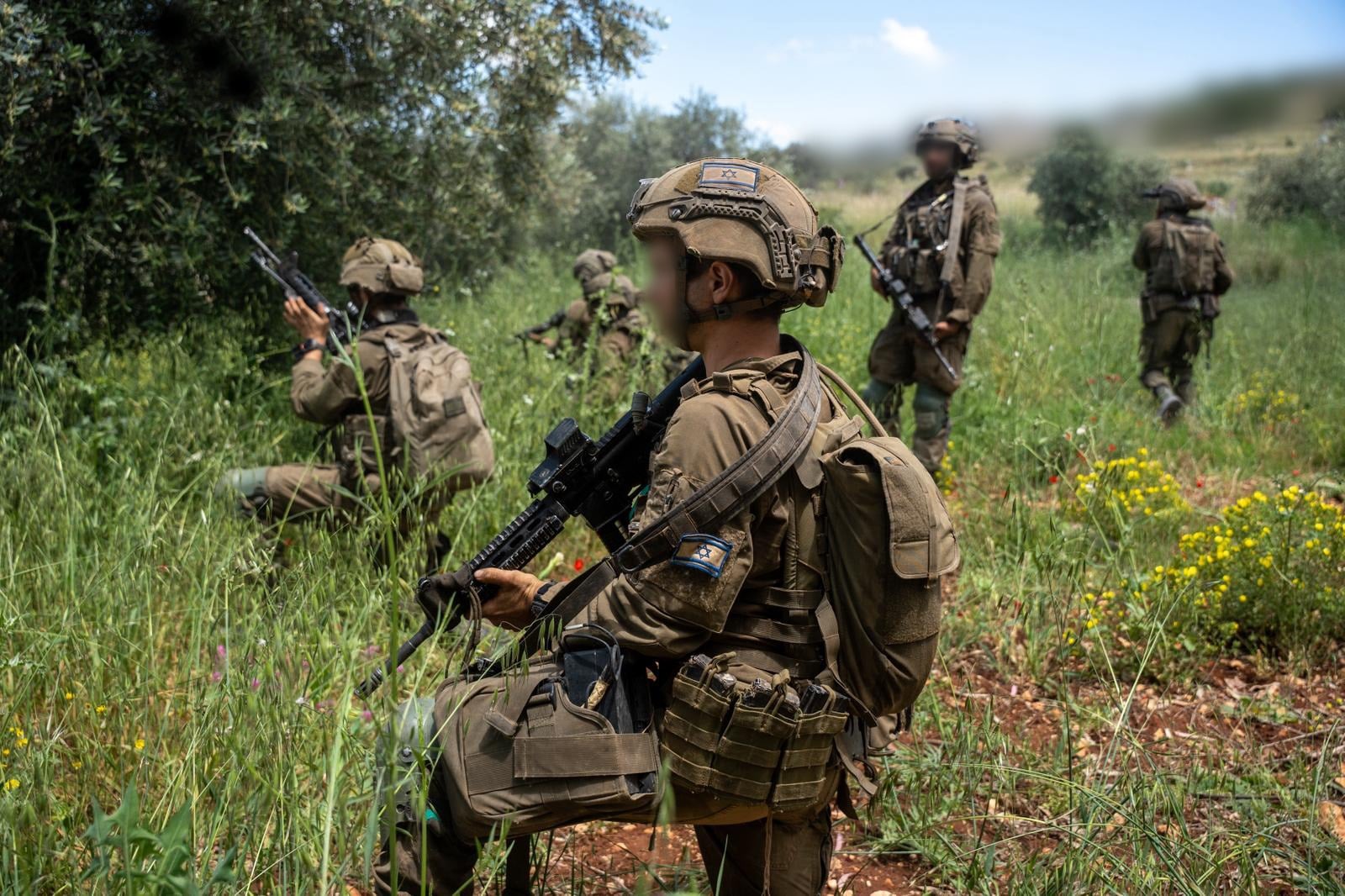
A sixth round of direct talks between Israel and Lebanon kicks off Tuesday in Rome. According to Arab media reports, the two sides are expected to discuss forming teams to secure the border and creating a plan to transfer responsibility in areas where the IDF withdraws to the Lebanese army.

 4+
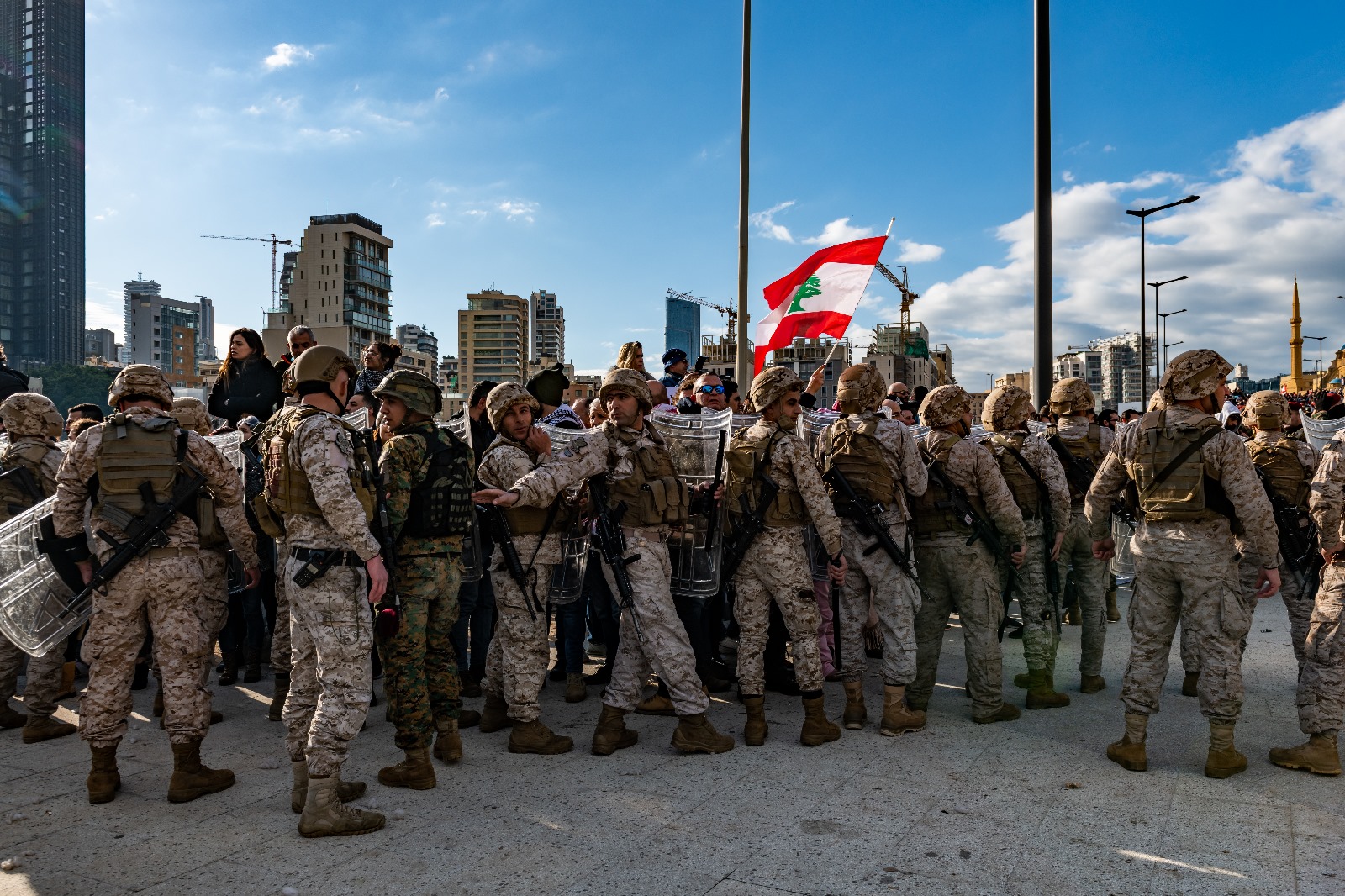
4+One of the main sticking points is the Lebanese army’s ability to implement any agreement on the ground. The Lebanese military includes many Shiites, some with ties to Hezbollah, making oversight of the deal’s implementation critical.
According to Al-Hadath, American teams are expected to join the Lebanese army to monitor Hezbollah’s disarmament process and serve as a liaison between the Lebanese military and the IDF.
 4+
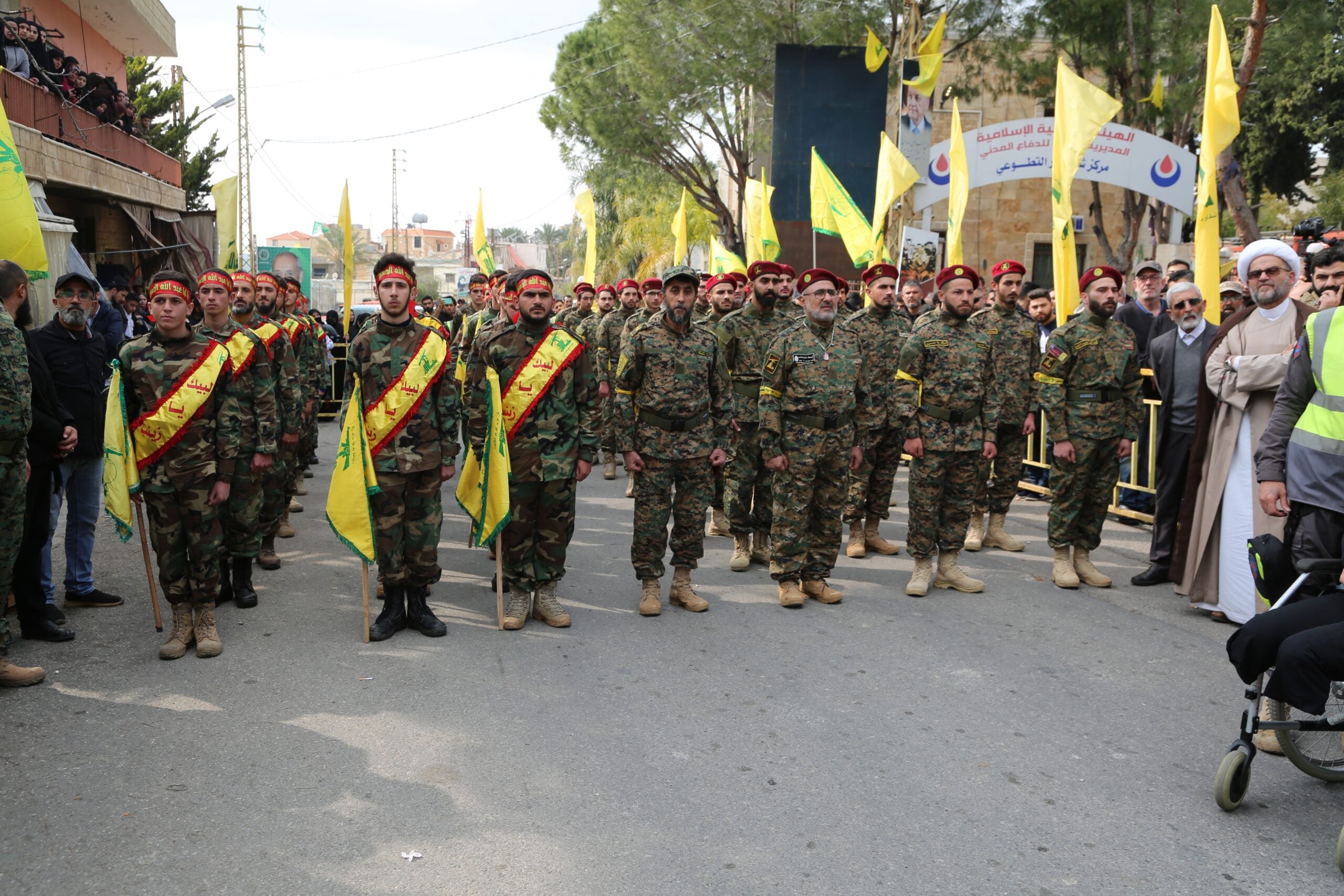
4+But on the ground, the gap between declarations and action remains wide. Lebanon has issued plenty of statements against Hezbollah over the past year but has barely followed through. In April, Lebanese Prime Minister Nawaf Salam ordered the army to disarm Hezbollah in the Beirut district—but the order has yet to be carried out.
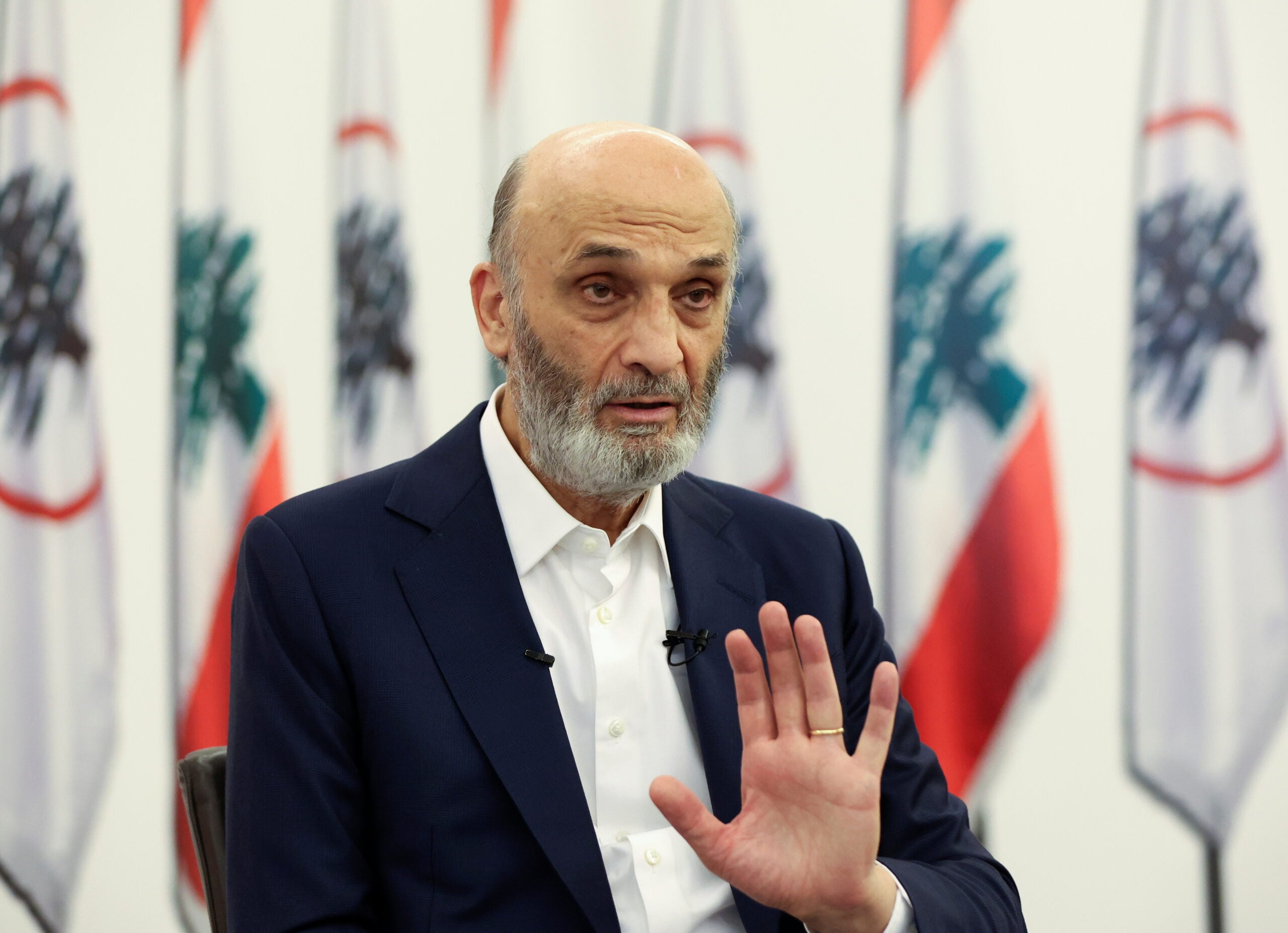
Samir Geagea, leader of the Lebanese Forces party and one of Hezbollah’s most vocal opponents in the country, is criticizing the Lebanese leadership’s hesitation. According to him, Lebanese President Joseph Aoun is still avoiding using force against the organization.
 4+
4+“I’m not hiding the fact that President Aoun, up to this moment, is trying to avoid using force inside the state. I personally don’t agree with this approach, because the state’s use of force is not violence,” Geagea said.
Hezbollah, meanwhile, continues to send combative messages and makes clear it will resist any move that would change its status in the country. Ali Ammar, a senior figure in the organization, said Hezbollah is preparing to act against moves that would harm it.
 4+
4+“We are not satisfied with this situation, we are in a state of readiness, to thwart anything that would turn Lebanon Zionist,” Ammar said.
Alongside the Rome talks, both sides are also watching Tehran. Iran is trying to link Lebanon to its own negotiations with the United States, thereby influencing the Israel-Lebanon agreement.
In practice, there are two competing tracks: the Lebanese government is advancing a settlement with Israel, while Hezbollah continues to align with Iran. Ibrahim al-Moussawi, a senior Hezbollah figure, attacked Lebanon’s warming ties with the United States and said: “You sign everything that comes to you from Washington, but we signed everything we ourselves sent to Tehran. That’s the difference between us and them.”
 4+
4+Ultimately, the test won’t just be at the negotiating table in Rome—it will be on the ground. The central question is whether Lebanon is truly ready to confront Hezbollah and enforce state sovereignty over its entire territory.