


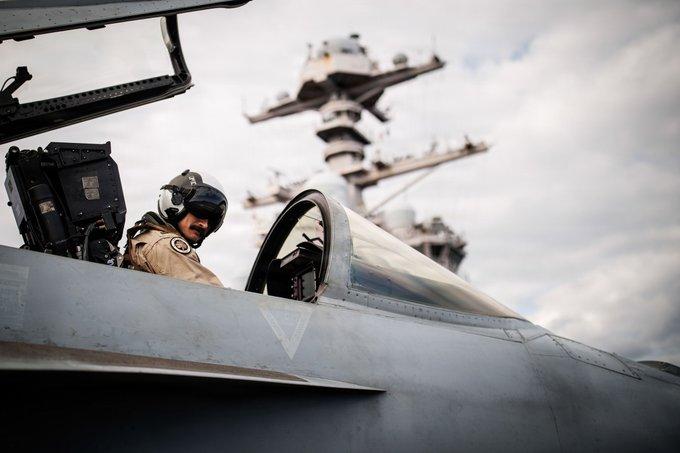

The ongoing confrontation between the United States and Iran is raising growing alarm among American defense experts, who warn that the U.S. military’s strategic weapons stockpiles continue to erode.

 5+
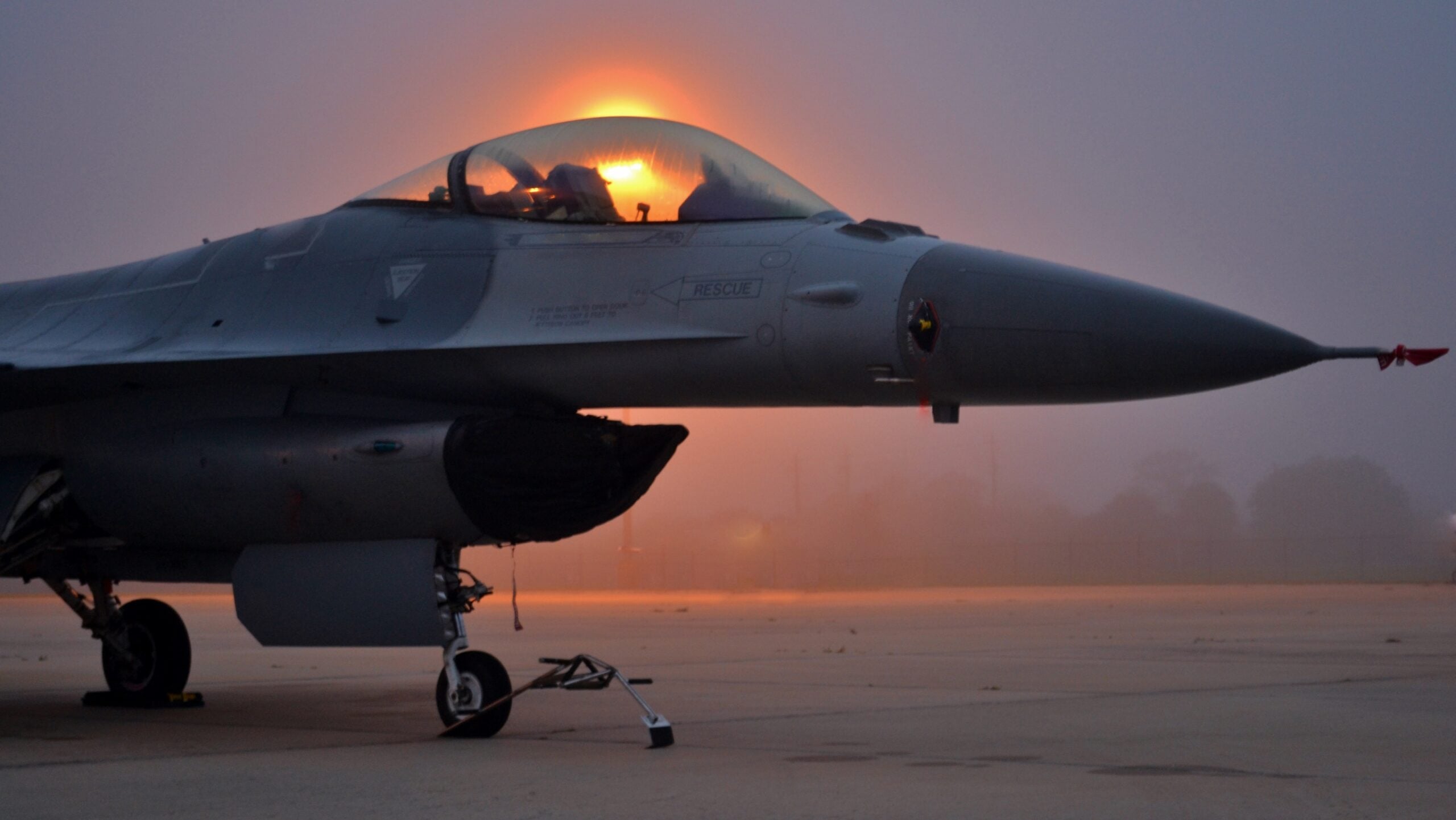
5+According to a CNN report, if attacks continue at the current pace, the Pentagon could find itself with a severely diminished inventory of advanced missiles—a situation that could undermine its ability to handle future conflicts in other theaters.
The Numbers Tell the Story: Thousands of Missiles Already Fired
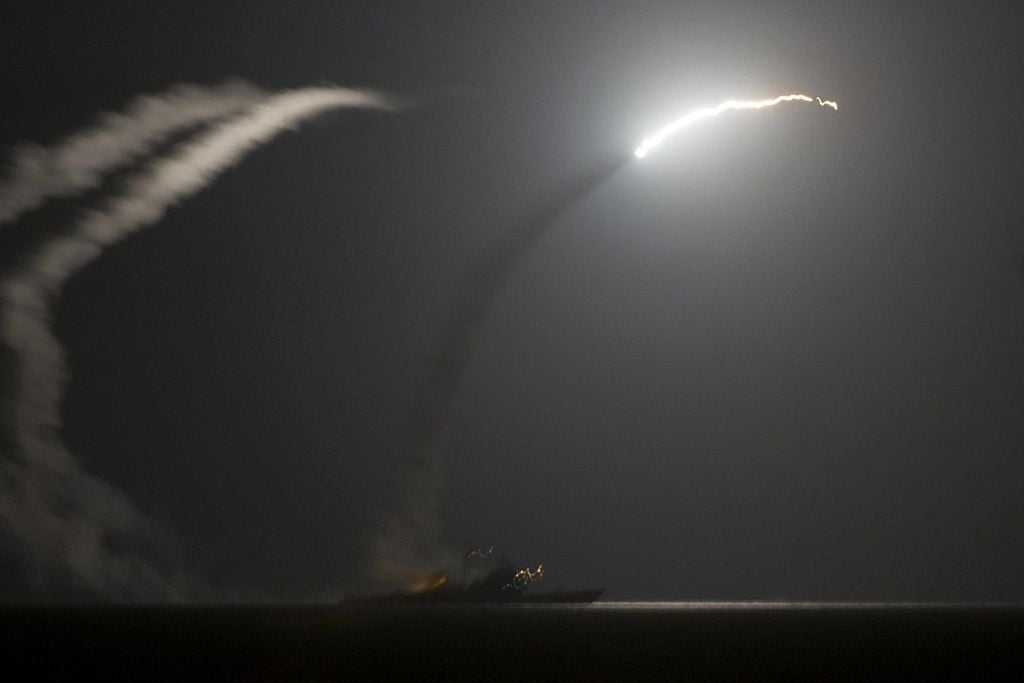
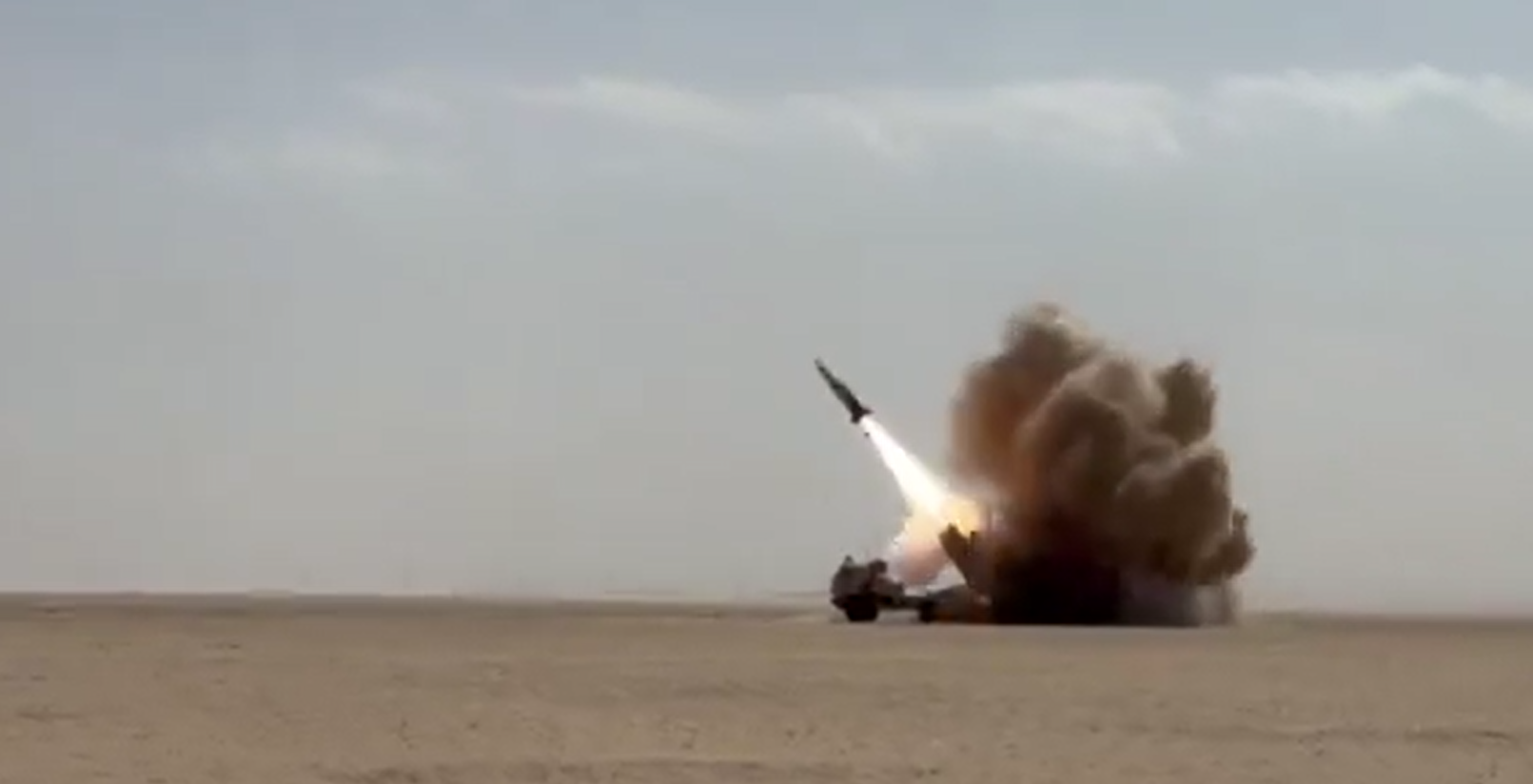
During the early phases of the war, the U.S. military used thousands of missiles employed for precision long-range strikes and defense against missile and aircraft threats. According to analysis by the Center for Strategic and International Studies (CSIS), by the time fighting paused in April, the Pentagon had used at least half its inventory of THAAD interceptors, roughly half its Patriot interceptor stock, and about 30% of its Tomahawk missile supply.
 5+
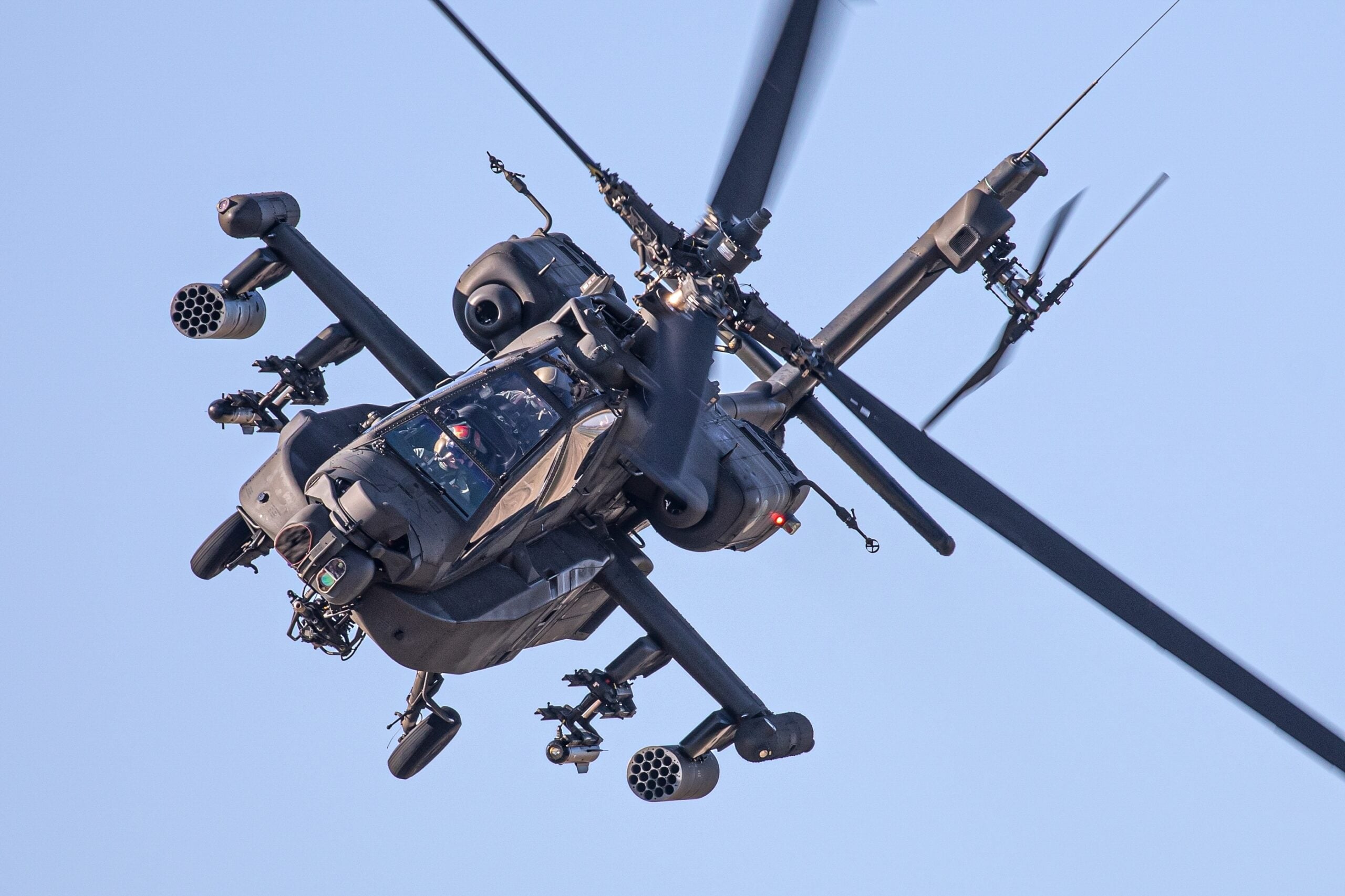
5+Mark Cancian, a former Marine Corps colonel and analyst at CSIS, warned that continued fighting at the current pace will increase America’s strategic risk, particularly regarding the ability to respond quickly to a possible conflict in the Indo-Pacific region. According to him, weapons inventories could shrink to a level that affects the military’s operational readiness.
Production Can’t Keep Up: Years Until Stockpiles Recover
Experts at the Brookings Institution are also sounding the alarm. Michael O’Hanlon, who heads the foreign policy program at Brookings, said there’s “no question” that American weapons stocks are lower than desired.
 5+
5+However, he believes U.S. deterrence vis-à-vis China and North Korea hasn’t yet been significantly compromised, though he warned that if the trend continues, a point could be reached where it affects adversaries’ calculations.
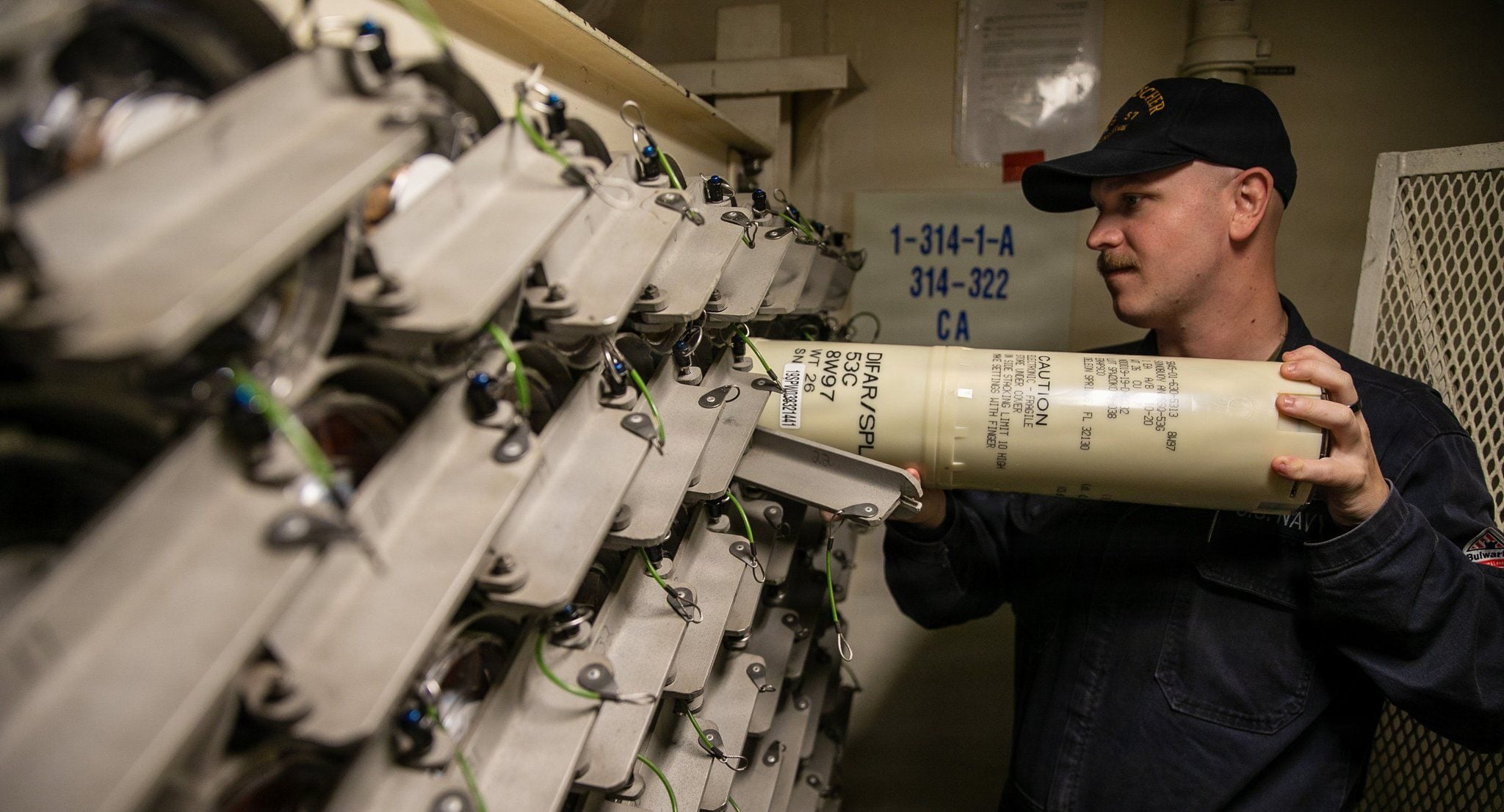
One of the main reasons for concern is the slow production rate of weapons systems. According to the data, the Pentagon currently receives only about 15 new Tomahawk missiles and roughly 20 Patriot interceptors per month, while no new THAAD interceptor deliveries are expected at all in 2026. CSIS estimates it will take at least three years to restore inventories to pre-war levels.
 5+
5+Elaine McCusker, a former senior Pentagon official now at the American Enterprise Institute (AEI), estimated that for most weapons types, the replenishment process will take between two and five years. According to her, this is a lengthy process affected by production rates and the ability to expand the defense industrial base.
The funding issue also raises concerns. John Ferrari, a retired general and AEI researcher, noted that since the war began, Congress has yet to approve a dedicated budget to replace the missiles consumed, so production relies on regular annual procurement programs that aren’t adapted to the current depletion rate.
 5+
5+Trump Tries to Accelerate Production, But Impact Will Take Time
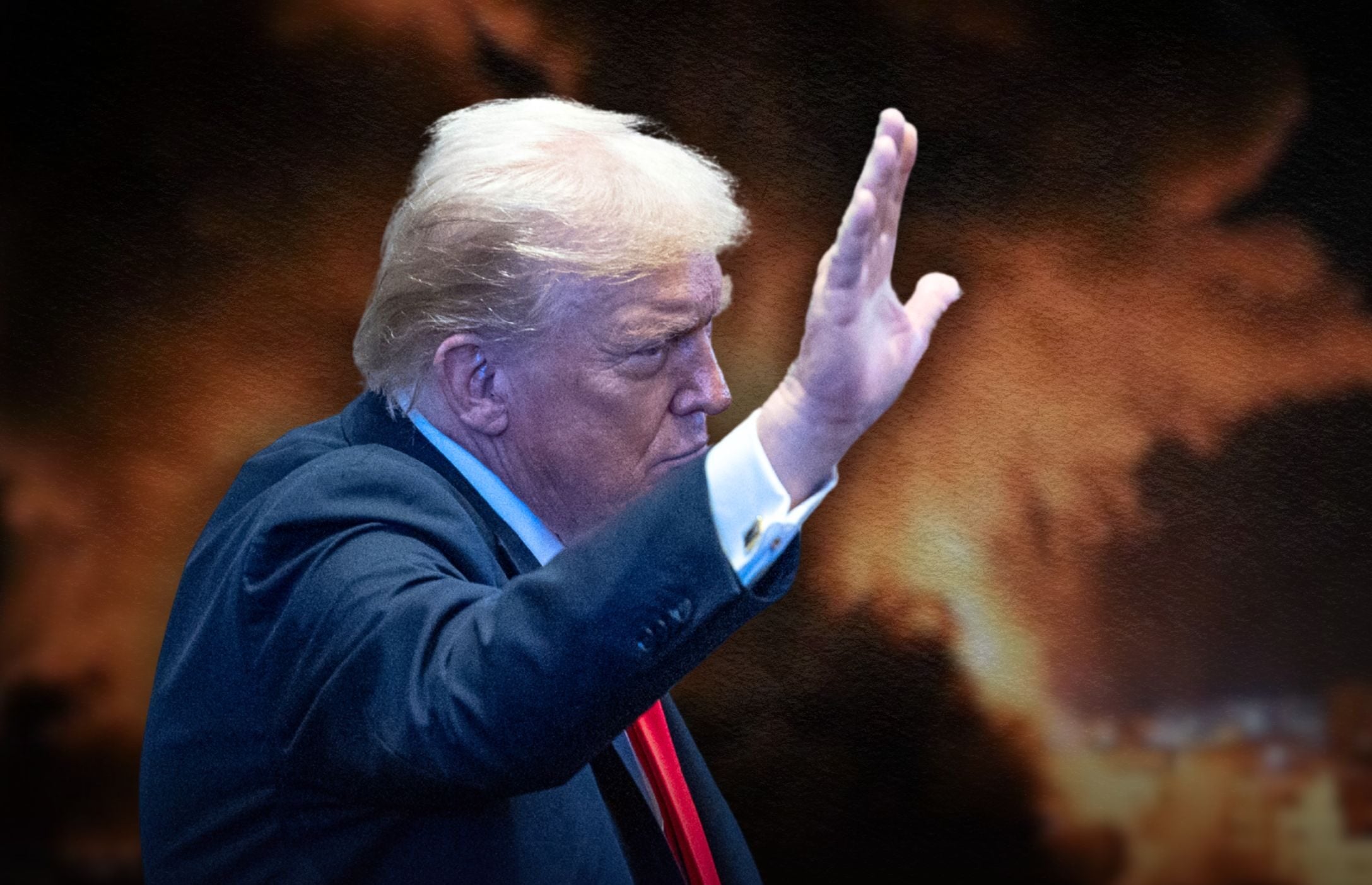
Meanwhile, the Trump administration is trying to speed up production. In June, the president invoked the Defense Production Act, designed to remove regulatory barriers and expand the defense industry’s production capabilities. Additionally, the Pentagon signed agreements with weapons manufacturers to expand production lines, though experts estimate even these steps will only have an impact in the long term.
Among the solutions being considered are production agreements with other countries. President Trump announced at the NATO summit that Ukraine will receive a license for domestic production of Patriot interceptors, alongside similar moves in Germany. However, experience shows that establishing new production lines also takes years, so their impact on the current shortage is expected to be limited.
 5+
5+Despite the worrying assessments, the Pentagon seeks to reassure. Pentagon spokesman Sean Farrell said “the U.S. military is the strongest in the world and possesses all the capabilities needed to execute any mission required by presidential decision.” According to him, the United States continues to conduct successful operations while maintaining a significant arsenal to defend its interests around the world.