


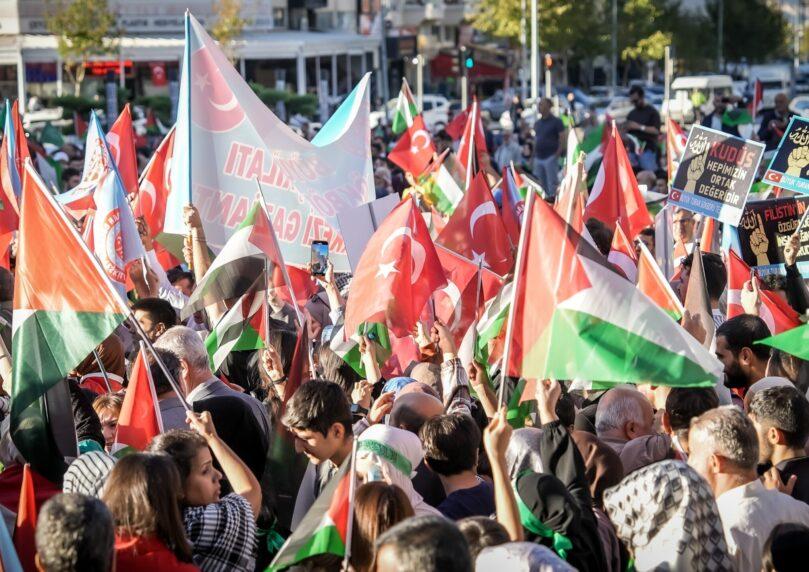

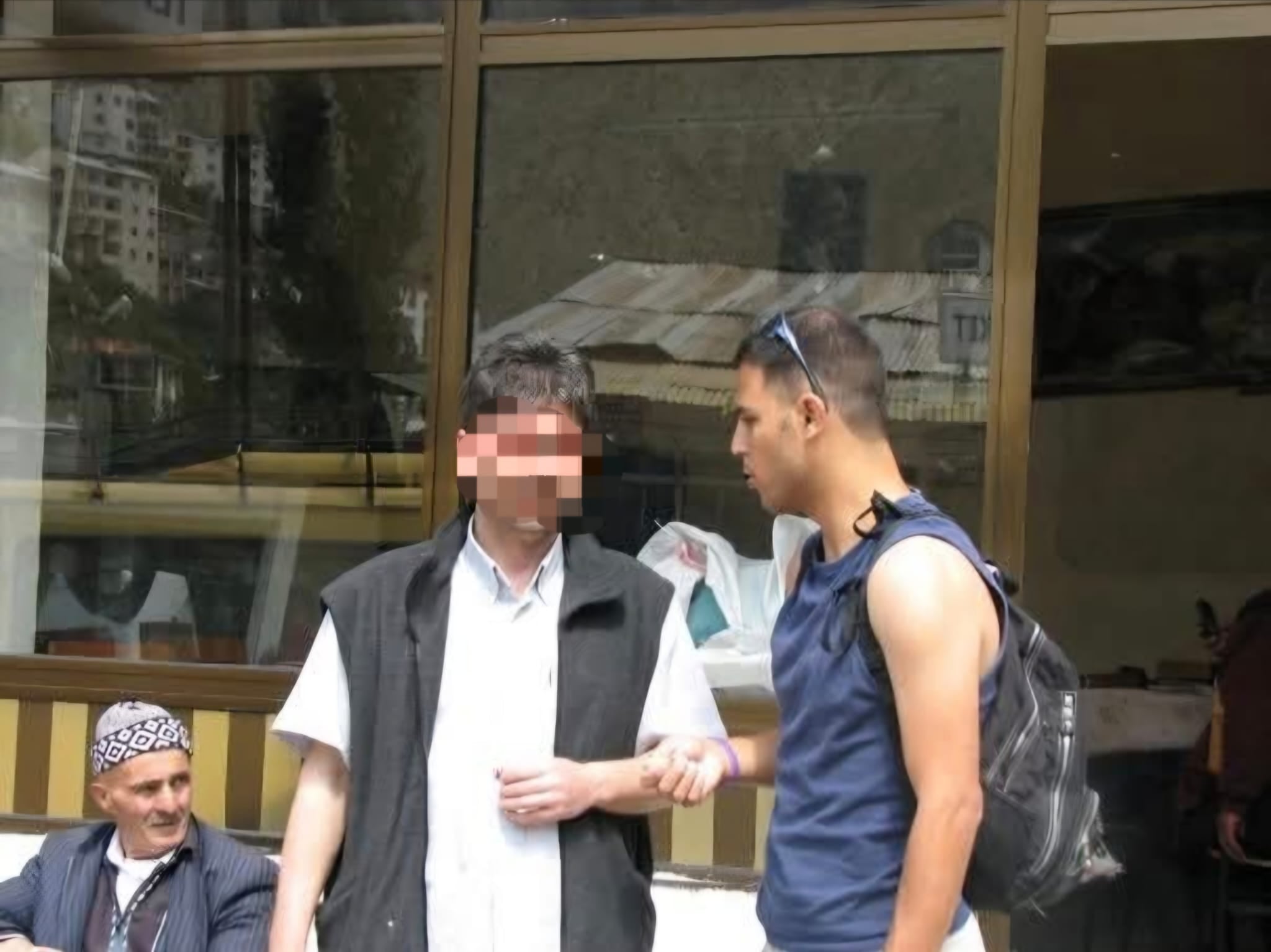
“I hope you enjoyed the trip and the scenery of Turkey, but unfortunately I’m not sure you’ll be able to come back and visit here in a few years,” the Turkish guide said at the end of three days trekking through the breathtaking Kaçkar Mountains in the country’s eastern region. The guide, who worked leading tourists during the summer months as supplemental income, spent the rest of the year lecturing at a university in Istanbul. From the heart of campus, he tracked the processes developing in Turkey and identified early on the religious radicalization and bubbling hatred toward Israel led by Recep Tayyip Erdoğan, who was then serving as prime minister.

 2+
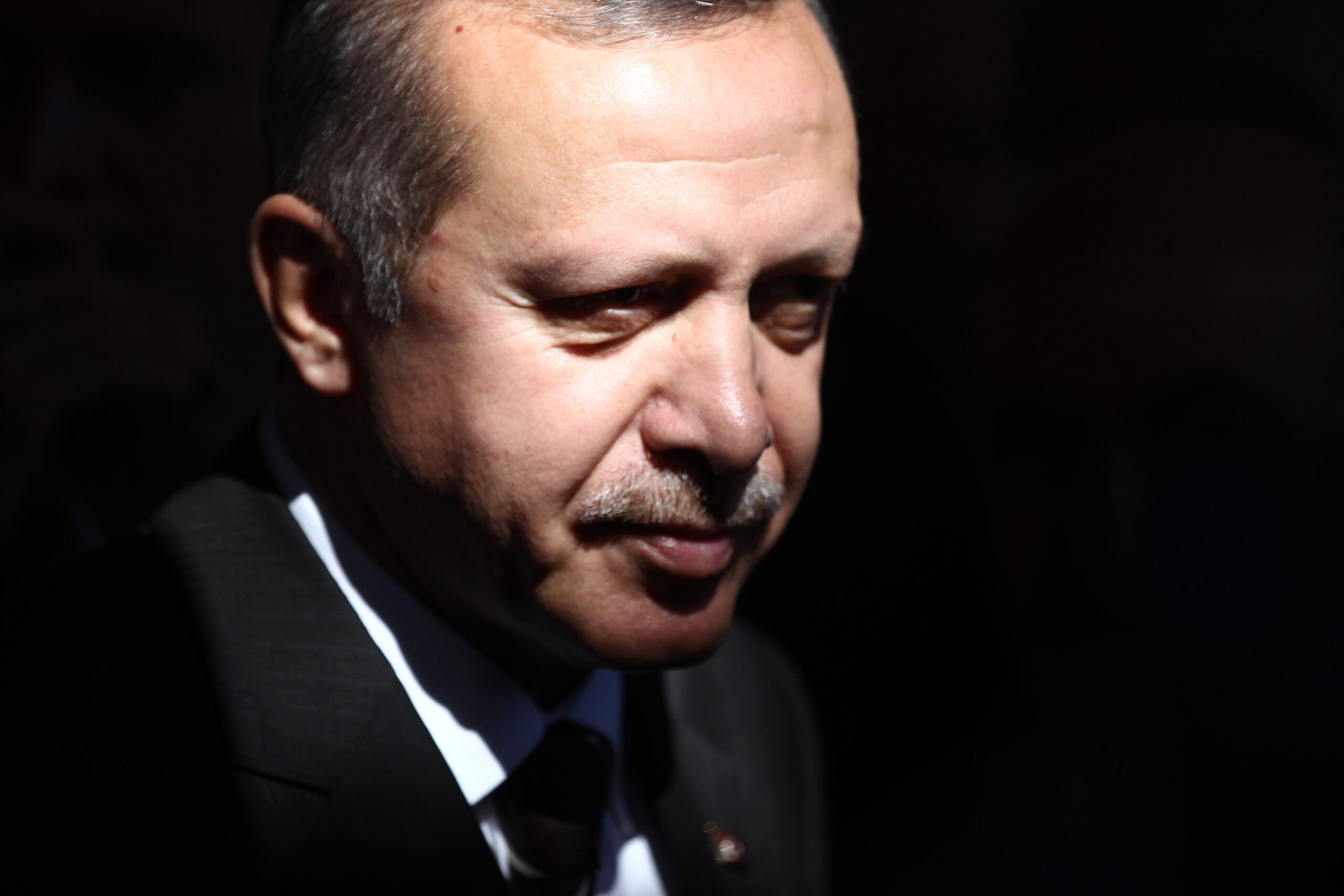
2+Eighteen years have passed since then, and Turkey—once a friendly country welcoming to Israelis—has completely changed its face. Under Erdoğan’s leadership, the government has promoted a consistent process of strengthening Sunni-Islamic identity and weakening Atatürk’s secular legacy, alongside a deliberate ideological deterioration in relations with Jerusalem. Despite the extreme statements, provocations, and open support for terrorism, Israel continued for years to treat Turkey as a complex player—both because of its NATO membership and because of the clear economic interests on both sides.
But the reality of recent years, and especially since the outbreak of the Gaza War, has transformed Turkey from a problematic partner into a player seeking to become a real enemy, leading the regional resistance axis. Confirmation of this can be found in the recent announcement by the Shin Bet and IDF that dozens of attacks directed by Hamas operatives working from Turkey were thwarted. This announcement isn’t just a routine security item, but a strategic warning light shining a spotlight on a new-old threat developing from the north, as Turkey is no longer just “turning a blind eye” to Hamas’s presence but actively strengthening and encouraging it.
 2+
2+To understand the depth of this process, the reality must be examined more broadly than just Hamas’s entrenchment. The Middle East of 2026 isn’t the space we knew before October 7, 2023. Iran has suffered significant blows to its capabilities following a series of Israeli-American operations, Hezbollah has lost a substantial part of its command and influence structure, and Syria has undergone upheavals that have distanced it from being an immediate existential threat. Even Qatar, which led the struggle through cash infusions, has retreated for now to the back line to preserve its legitimacy with the American administration.
But in regional “threat politics” there’s no vacuum—when one power weakens, another rushes to fill the void, and Turkey has identified this opportunity well. Under Erdoğan’s imperialist leadership, Turkey is no longer satisfied with the status of a regional power. It aspires to lead the entire Sunni-Muslim world and become the central force in the Middle East. Erdoğan understands that in the Middle Eastern jungle, military might is what counts, so he’s investing enormous resources in building a modern army, developing advanced defense industries, and expanding the ballistic missile arsenal.
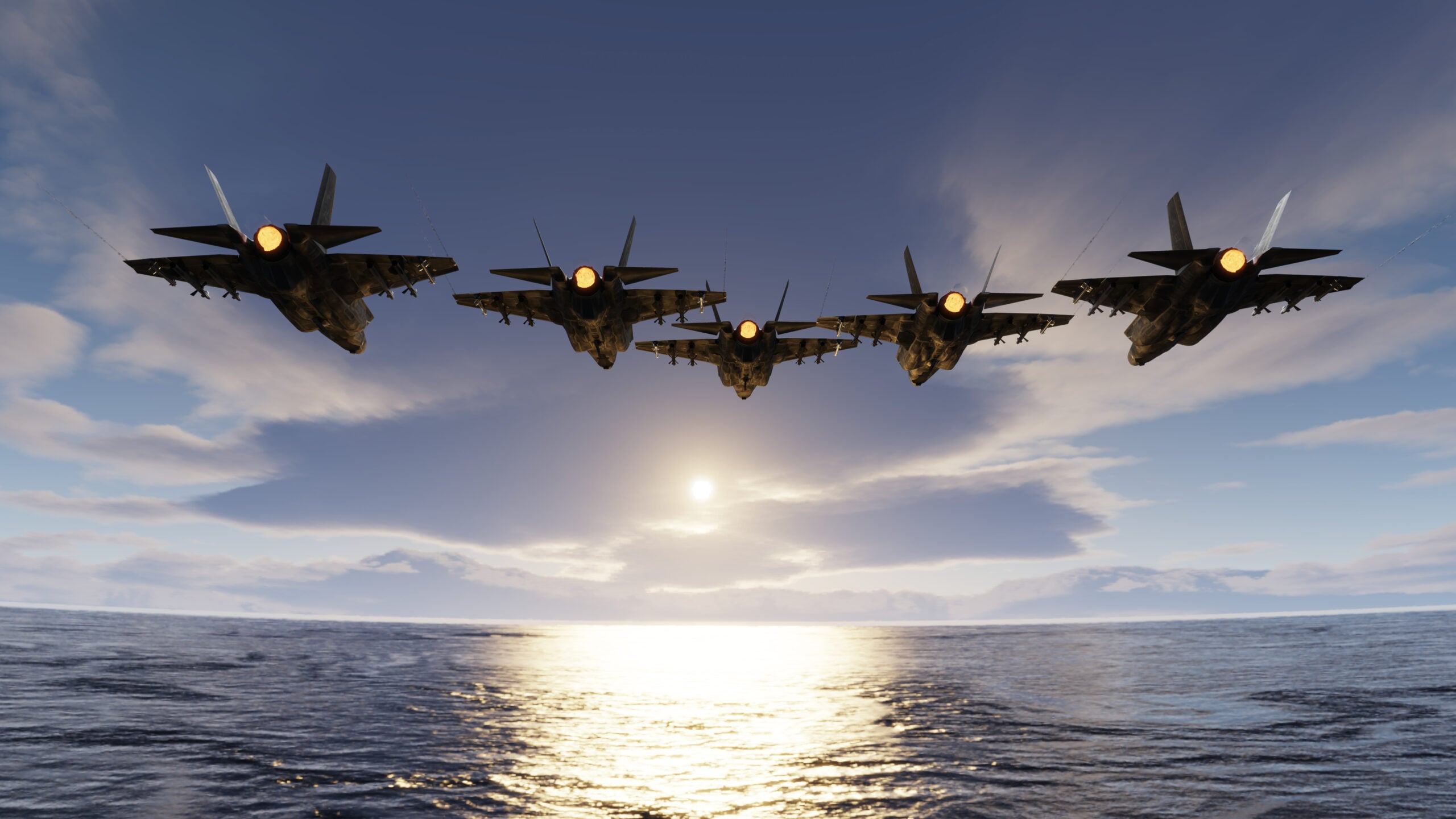
Today Turkey exports drones and weapons systems to dozens of countries and is expanding its military presence from the Libyan coast to the Caucasus. As Turkey improves its air, naval, and technological capabilities, the qualitative gap between it and the IDF is narrowing. Turkish attempts to acquire F-35 aircraft and advanced weapons systems are designed to challenge Israeli superiority in the region in the future. Within this action plan, Hamas isn’t a burden for Erdoğan but a strategic asset that gives him legitimacy on the Muslim street and the status of leader of the struggle for the ‘Palestinians’.
 2+
2+This is exactly the point where Israel must change its perception and learn the lesson from the October 7 attack: a radical Islamic agenda isn’t just religious rhetoric, but an operational work plan. The fact that Turkey is currently conducting the struggle “below the threshold of war,” through terrorism, cognitive warfare, and proxies, stems from Ankara’s understanding of the price of direct confrontation at this stage. However, when Erdoğan’s rhetoric shifts from talking about “the ‘Palestinian’ struggle” to talking about Turkey’s responsibility to defend the entire Muslim world, this is a conceptual change that must not be taken lightly.
In conclusion, when a country persistently builds tremendous military power, provides safe haven to terrorist organizations, and leads the anti-Israel camp in the international arena, these aren’t separate incidents but a disturbing strategic mosaic. Even if Turkey doesn’t currently constitute the main threat to Israel, the regional vacuum and current trends could transform it from the ideal vacation destination it once was into one of the most complex security challenges Israel will face in the coming decade.