


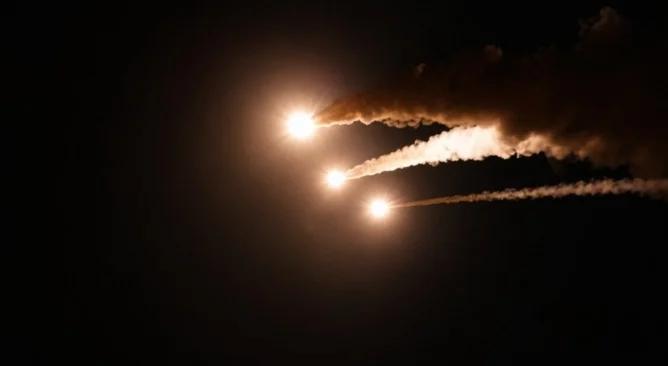

Tensions are escalating: After the U.S. launched a sweeping wave of strikes against targets in Iran, Tehran responded overnight Sunday into Monday by firing missiles and drones at American facilities in several Gulf states, and announced it had closed the Strait of Hormuz again.
U.S. Central Command said it launched another wave of strikes against targets in Iran, aiming “to continue degrading its ability to attack civilian ships and commercial vessels transiting freely through the Strait of Hormuz.”
Former CENTCOM Commander Ret. Gen. Frank McKenzie says the U.S. should consider seizing Iran’s Kharg Island “because possession of Iranian soil would be a significant factor in future negotiations with Iran.” pic.twitter.com/LgZGxpyKZo
— Face The Nation (@FaceTheNation) July 12, 2026
In Iran’s counterattack, the strikes expanded to Qatar—which serves as a mediator in ceasefire talks and hasn’t been hit since April. The United Arab Emirates said its air defense systems intercepted missiles and drones launched from Iran. Bahrain reported intercepting additional aerial attacks, Jordan said missile impacts were detected on its soil, and Oman and Kuwait also reported strikes in their territory.
Iran’s Foreign Ministry condemned the American strikes and called them “aggressive.” It also claimed that talks held Saturday in Muscat between Iran and Oman on regulating traffic through the Strait of Hormuz produced no results due to “overt and covert American pressure” on Oman.
Meanwhile, Iran announced that traffic through the Strait of Hormuz has been halted for now due to U.S. military activity in the area, and that shipping permits “will only resume once calm and stability return.” The United States rejected the claim, clarified that Iran does not control the strait, and said maritime traffic continues.


Iranian Parliament Speaker Mohammad Bagher Ghalibaf posted on X yesterday: “The era of one-sided deals is OVER. We told you: keep your word or pay the price. Reality is knocking.”