



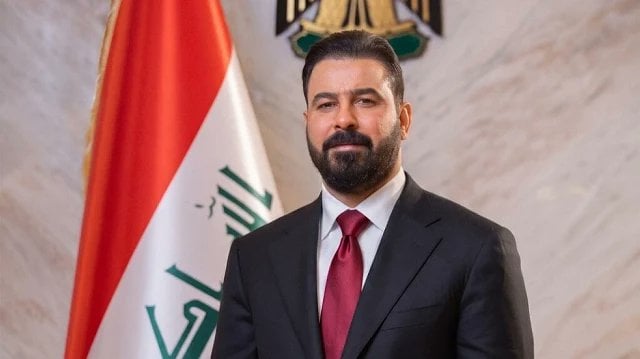
At the end of April, Iraq entered a new era under Prime Minister Ali al-Zaidi, a young and inexperienced leader. The 40-year-old businessman was President Trump’s top candidate for the job and received his backing during the election campaign—but that support came with conditions: form a government without Iranian backing and disarm the local Shiite militias.

 2+
Forming a government without Iranian support was nearly impossible. Iraq, a Shiite-majority country, has experienced deep Iranian influence—Iran being the leading Shiite state—since the first elections after Saddam’s fall in 2006. Al-Zaidi ultimately didn’t assemble a government free of pro-Iranian elements, but he did manage to keep the Kataib Hezbollah militia—one of the largest in the country—out of the government.
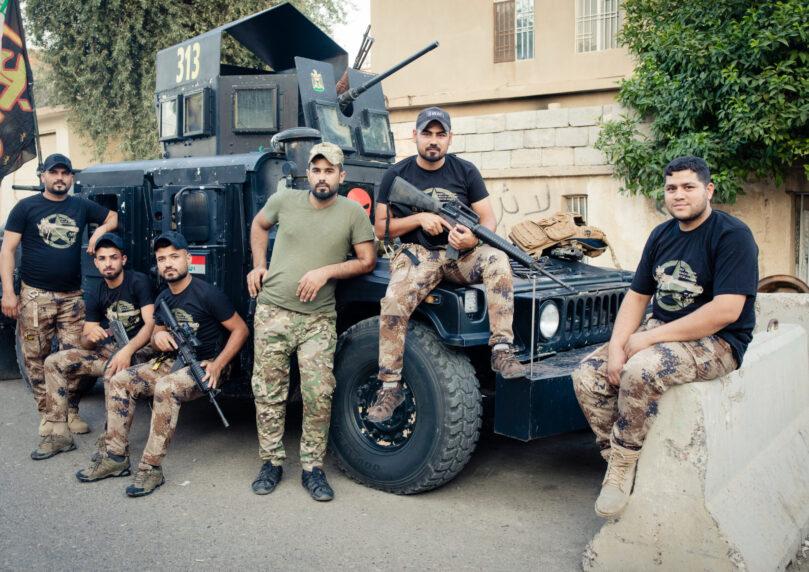
Now Iraq faces another shift. After repeated attempts by the prime minister, the Asaib Ahl al-Haq militia announced its separation from the Popular Mobilization Forces (an umbrella organization of several pro-Iranian terror groups) and agreed to hand over its weapons to the state. The leader of the Saraya al-Salam militia also announced he would surrender his weapons to the state at the prime minister’s request.
 2+
While these are two relatively small terror organizations, a change in attitude is emerging even among militias refusing to disarm. The Qatari newspaper Al-Araby Al-Jadeed spoke with several sources in the resistant terror groups, and all confirmed they don’t intend to confront the state but are concerned about several issues. According to the paper, the factions are demanding the withdrawal of American forces from Iraqi soil.
This demand comes ahead of al-Zaidi’s expected visit to Washington. According to a report from Saudi Arabia, one of the issues the Iraqi prime minister will raise during the visit is disarming the pro-Iranian militias. The report also said the visit aims to find alternatives to the Strait of Hormuz that would allow exports of goods from Iraq and the Middle East.
 2+
Meanwhile, Iranian influence over Iraq remains strong. Evidence of this was visible last week at Khamenei’s funeral, which also took place in the city of Najaf, south of Baghdad. Additionally, a report published last month by Reuters revealed that Iran’s Revolutionary Guards recently established a network of new covert cells on Iraqi soil, aimed at carrying out attacks against Gulf states hosting American forces. According to eight Iraqi sources, using these cells is designed to bypass the known and visible militia networks, preserving Iran’s strike capability without leaving traces that would trigger retaliation against them.