


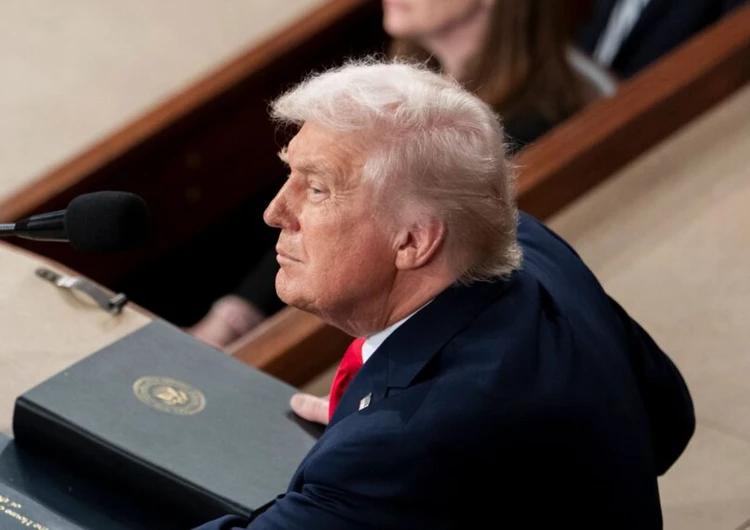

Tensions over the security of US President Donald Trump are rising today (Friday) after it was reported that Israel shared intelligence with the US about a new Iranian plan to assassinate him. The revelation of the plot comes in the wake of repeated Iranian promises to avenge the killing of General Qassem Soleimani, the Wall Street Journal reported this morning (Friday).
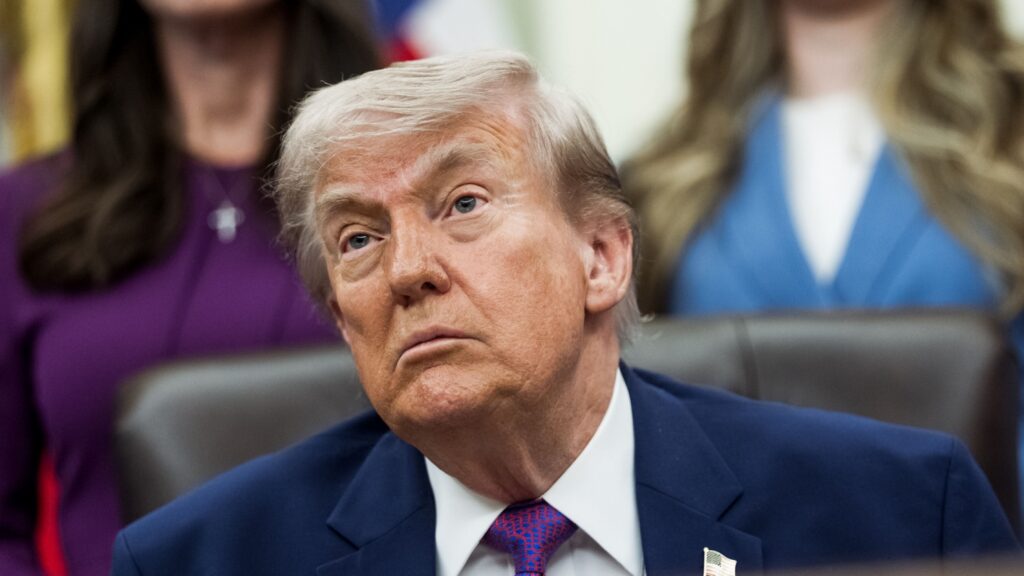
President Trump himself addressed the threats openly during his visit to Ankara, Turkey, last Wednesday. Speaking to reporters, the president claimed that Iran is marking him as a direct target: “They want to eliminate the leader of the United States – me. I’m on every list. I saw this morning that I’m on every one of their lists. So far, I guess I’ve been a little lucky, but maybe it won’t last much longer.”
Despite the Israeli embassy in Washington declining to comment on the reports and no official response from Iran, tensions between Jerusalem and Washington are evident. While Netanyahu is pushing for continued strikes and achieving additional war goals against Iran, Trump is looking for a way out of the conflict, fearing that continued fighting will lead to the collapse of the global economy.
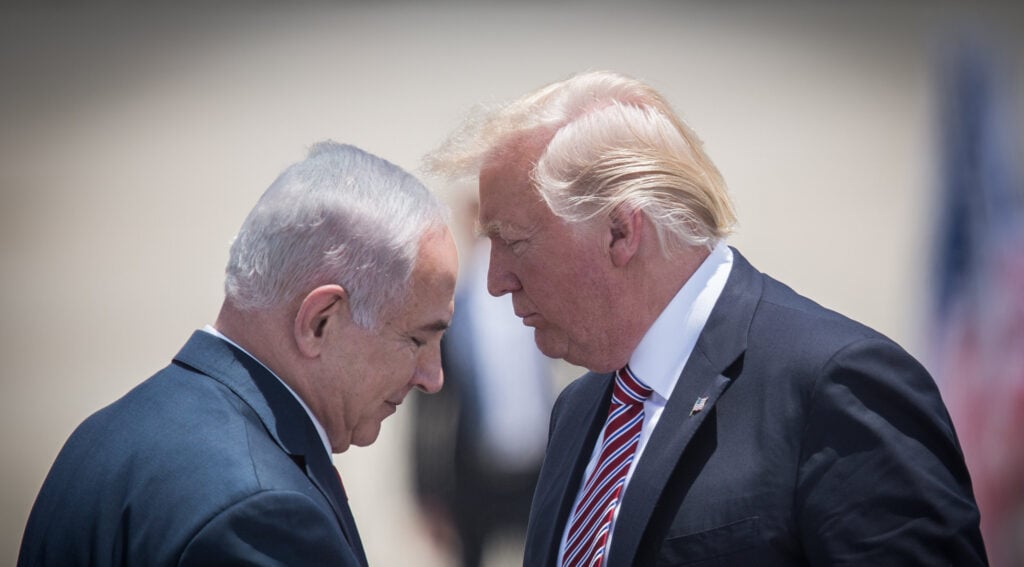
Last Thursday, Trump and Netanyahu spoke in an attempt to smooth things over, with the Prime Minister’s Office reporting that the two agreed to continue “coordination between the countries,” and Trump updated Netanyahu on recent American activity in the Gulf.
Iranian hostility toward Trump is not new. It arose in retaliation for the assassination of Quds Force commander Qassem Soleimani during the president’s first term. Since the outbreak of the current war, the relationship between Trump and Netanyahu has had its ups and downs – with frequent nightly calls that included sharing intelligence objectives, and the leaders making sure to make it clear that the two share a great friendship, unprecedented coordination, and agreement on most issues.
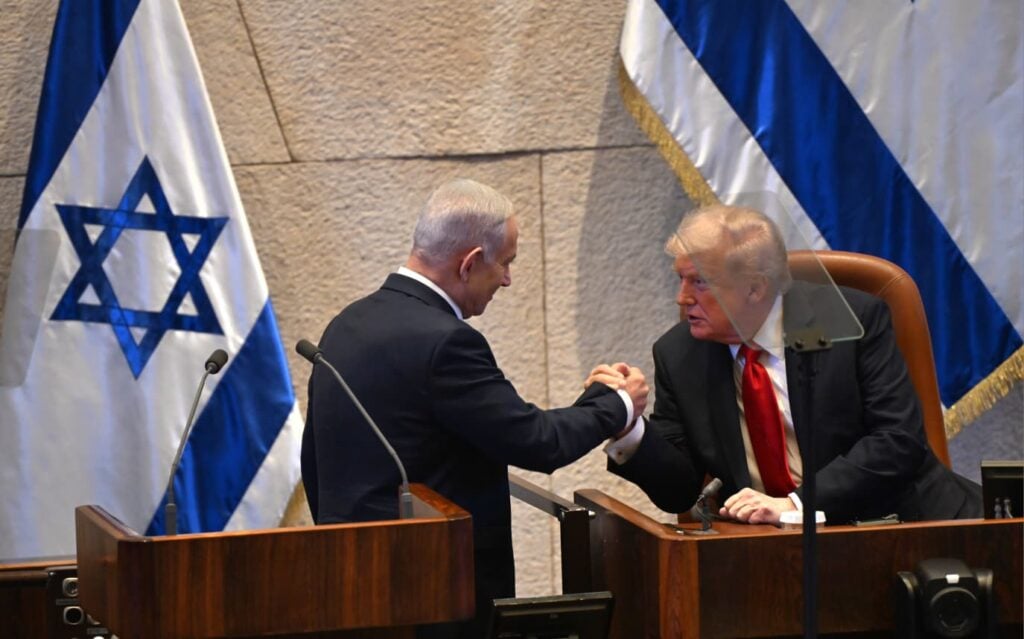
If a solid assassination plan does exist, it is a step up that could force the US to take a harsh military response, something Trump is trying to avoid. The repeated references to “kill lists” by the president himself indicate that the threat has become part of the open political discourse, increasing pressure on US security services to increase security around the president to record levels.