


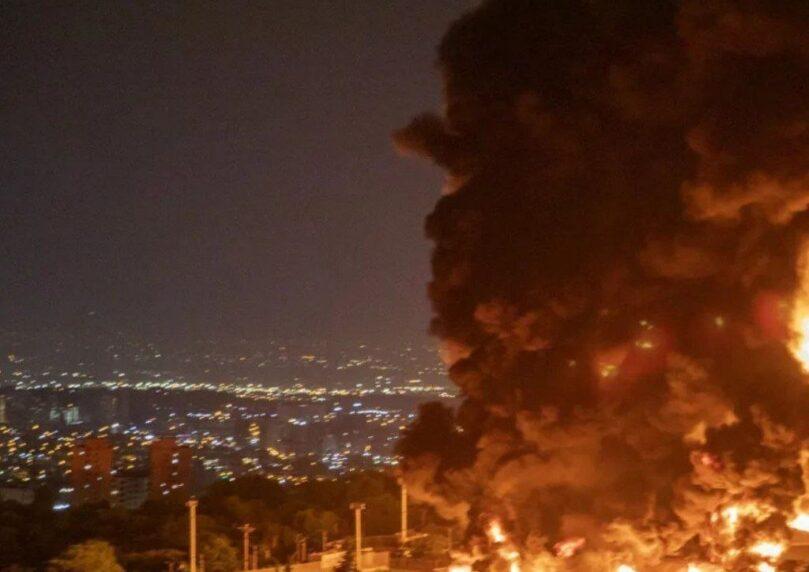

Lt. Col. (res.) Amit Yagur, former deputy head of the ‘Palestinian’ arena in IDF Intelligence, and Dr. Edy Cohen, a Middle East researcher and expert on Arab affairs, addressed the explosive tensions with Iran today (Thursday) on Channel 14’s “Israel This Morning,” hosted by Tal Meir. The two discussed the surprising shift in President Trump’s approach toward Iran after he canceled a planned diplomatic meeting and moved to a focused military response.

 3+
3+The conversation opened with Trump’s surprising change in style toward Iran, especially after canceling the planned meeting in Israel. While many wondered about the nature of the moves, Yagur and Cohen made clear that the situation on the ground is far more complex than the headlines. The experts emphasized that Trump should be judged by his actions on the ground, not his endless statements, with the focus on the American drive to ensure freedom of navigation in the Strait of Hormuz.
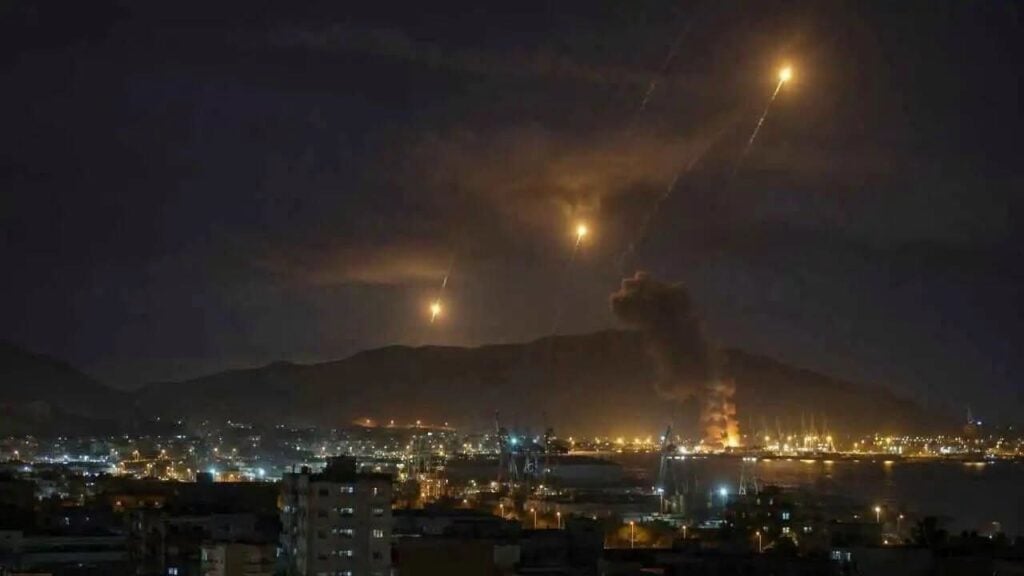
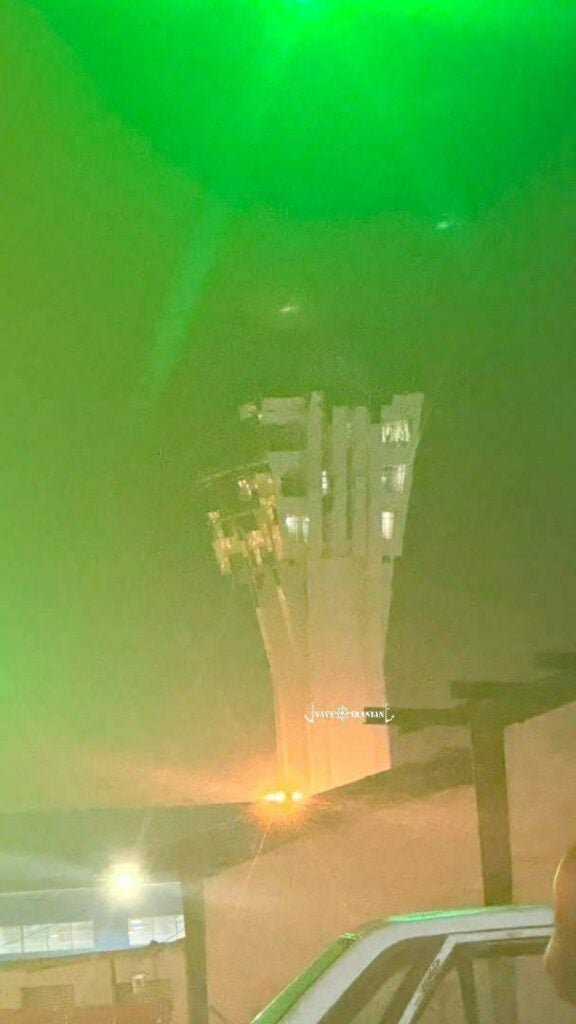
Amit Yagur presented a map detailing the sites hit last night along the Iranian coast, illustrating the scope of the American operation. Yagur explained that the strike focused on naval bases, command centers, sites for launching fast boats, and shore-to-sea missile facilities, with the stated goal of neutralizing Iranian control over the Strait of Hormuz. The main sites marked on the map include Chabahar in the east, where the naval control tower—shown in the air and overlooking the entrance to the straits—is located.
 3+
3+In addition, the strikes included Bushehr in the west and other strategic points along the southern coast, including islands in the heart of the straits and sites in central Iran designed to prevent ballistic missile launches. According to Yagur, the move was designed to ensure freedom of navigation and American hegemony in the straits area, neutralizing the operational capabilities of Iran’s naval arms without leading to a comprehensive multi-arena escalation.
During the discussion, Dr. Edy Cohen addressed the Iranian control tower in the Strait of Hormuz, whose image was shown on screen, and confirmed it’s no longer operational. Cohen stressed that despite the significant American strike, this is “a small blow,” not a final decision. According to him, Iran continues trying to undermine stability in the straits, and Trump, who “had one of his fuses blow,” responded forcefully but is still looking for ways to reach a deal. Cohen noted that the question of where this leads remains open: “The regime isn’t falling; they’re continuing.”
 3+
3+Amit Yagur presented an in-depth analysis of Turkey, which he defines as Iran’s patron at this stage, despite the contradictions between them. Yagur argued that the Turkish economy doesn’t allow it to wage a real war, even if its neo-Ottoman aspirations position it as a competitor with Israel for regional primacy.
Regarding Trump, Yagur believes this is a tactical move designed to buy time and improve positions ahead of the midterm elections: “A deal is tactical, it’s not strategic.” He added that Trump, who saw the humiliation of the American president at the funeral procession, is operating from a more personal and emotional place than before.
 3+
3+The discussion closed with the question of whether the Israeli public should prepare for escalation. Both experts agreed that no one knows for certain where things will lead, but Trump didn’t choose an “all-out” military option. Yagur concluded that Trump may have chosen an “economic all-out”—heavy pressure on Iran that will lead to its internal collapse without a full-scale war. The experts emphasized that Israel must continue monitoring actions on the ground, understanding that the dynamic with Iran is at a boiling point, unlike anything seen before.