


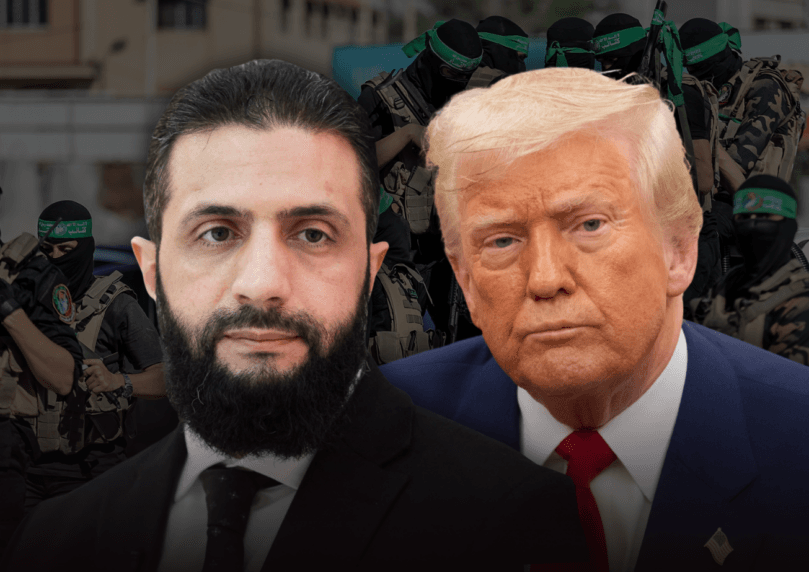
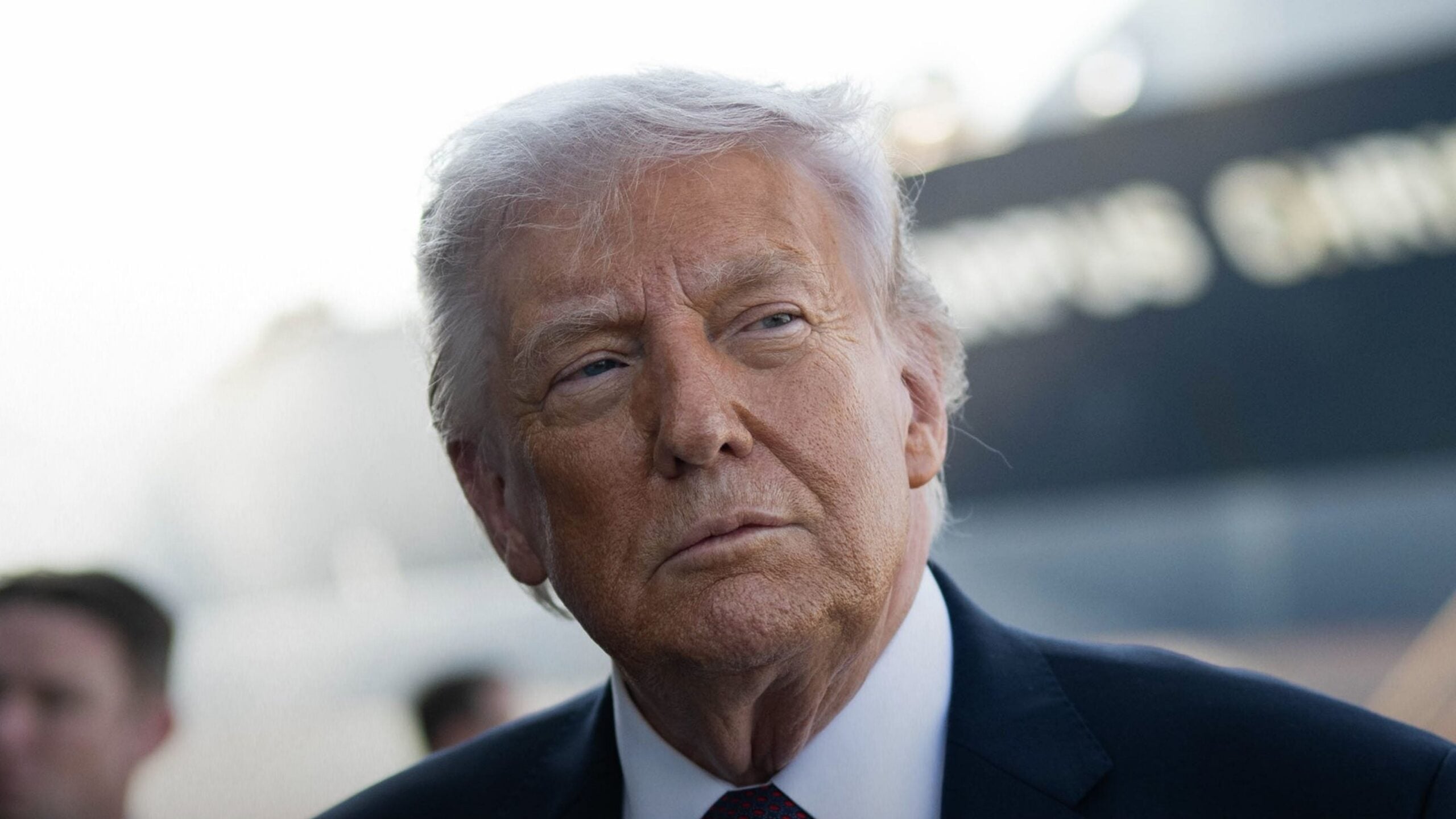
Saudi media reported Wednesday that President Donald Trump may remove Syria’s designation by the State Department as a state sponsor of terrorism in the near future. The move would come as the American and Syrian presidents are set to meet on the sidelines of the NATO summit in Ankara. A senior State Department official revealed in Saudi Arabia that Trump ordered a review of the designation back in June, but added that “several steps” must be taken before the designation can be lifted.

 2+
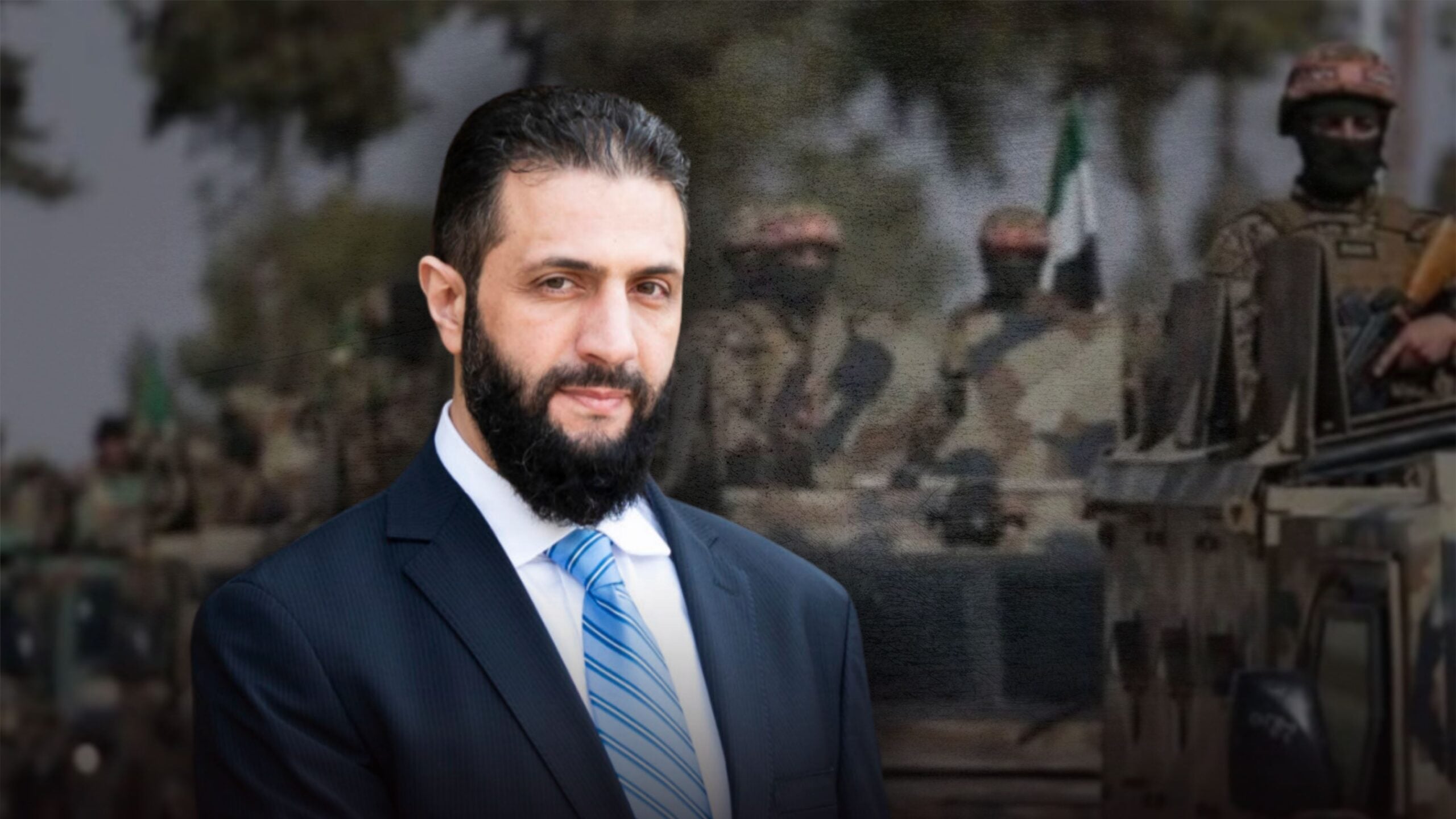
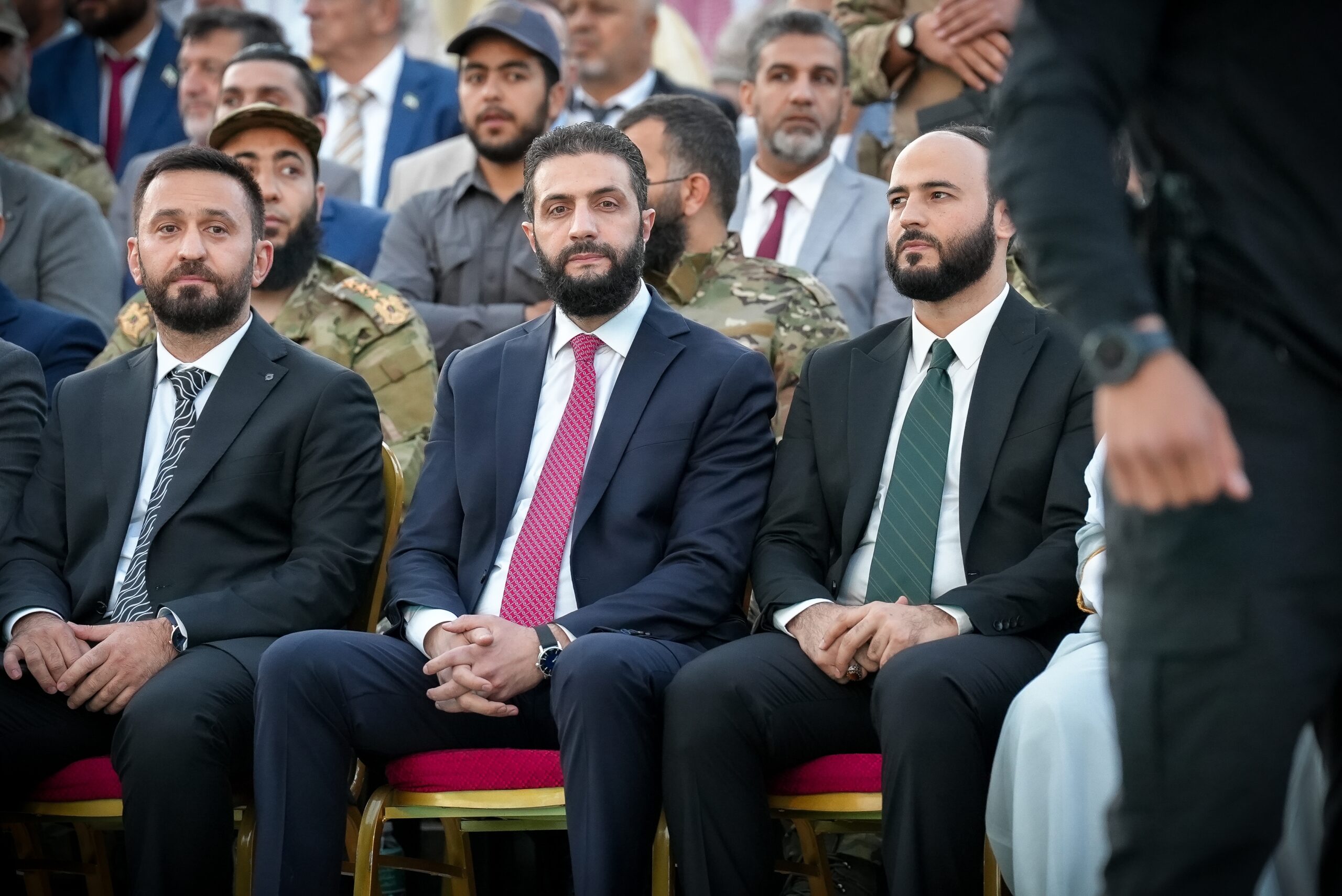
2+Turkey, hosting this year’s NATO summit, has called for removing the designation. Lifting the “state sponsor of terrorism” label—which has applied to Syria since 1979—would pave the way for private sector investment in Syria and strengthen al-Julani’s government, a government Erdoğan has been cultivating since it replaced the Assad regime in late November 2024.
In a statement to the American news site Semafor, a senior White House official claimed that Syria is stable, united, and at peace with itself and its neighbors. The official added that Syria has a central role in the president’s vision for a peaceful and prosperous Middle East: “Syria should not become a base for terror or a threat to its neighbors and the entire world.”
 2+
2+Syria is, of course, far from being a terror-free state. Just yesterday a mysterious explosion occurred in Damascus during President Macron’s visit, while days earlier another blast killed six people and wounded 16 others. No terrorist organization claimed responsibility for the explosions, but Syrian sources suspect ISIS is responsible—the group is strengthening its grip in the country’s northeast.
If the U.S. does cancel Syria’s designation, the move would join several other concessions Trump has granted Syria, including lifting “Caesar Act” sanctions last year and other key restrictions—including al-Julani’s designation as a terrorist.
 2+
2+According to the Saudi report, Trump’s move would also allow American companies to conduct business inside Syria—something that hasn’t been possible until now. One example is Nokia, which recently faced delays in a $30,000 deal to sell communications equipment to the Syrian parliament.