


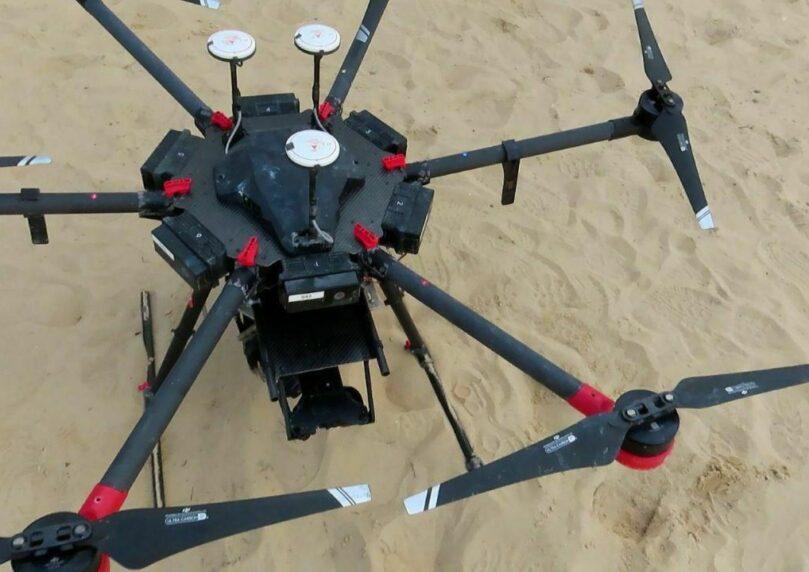

A new smuggling route now at the center of Israeli security attention starts in Iran, passes through Libya, Sudan, Egypt and the Sinai Peninsula, and ends with drones taking off from the western Negev into the Gaza Strip. Here’s how it works. Bedouin tribes move the weapons along the route, with Bedouins from the village of Bir Hadaj responsible for the final stage using heavy drones. Officials estimate significant quantities of weapons have entered Gaza this way, though the exact scope is unknown.
We revealed tonight (Tuesday) on Channel 14 News: While much attention focuses on weapons smuggled into Gaza under cover of humanitarian aid, another smuggling route is operating beneath the surface—or more precisely, above it—transferring weapons into the Strip via drones, according to intelligence. The route starts in Iran, where the weapons are manufactured. From there, shipments are transferred to Sudan and Libya, then moved by Bedouin tribes across hundreds of kilometers of desert to Egypt and the Sinai Peninsula.

 2+
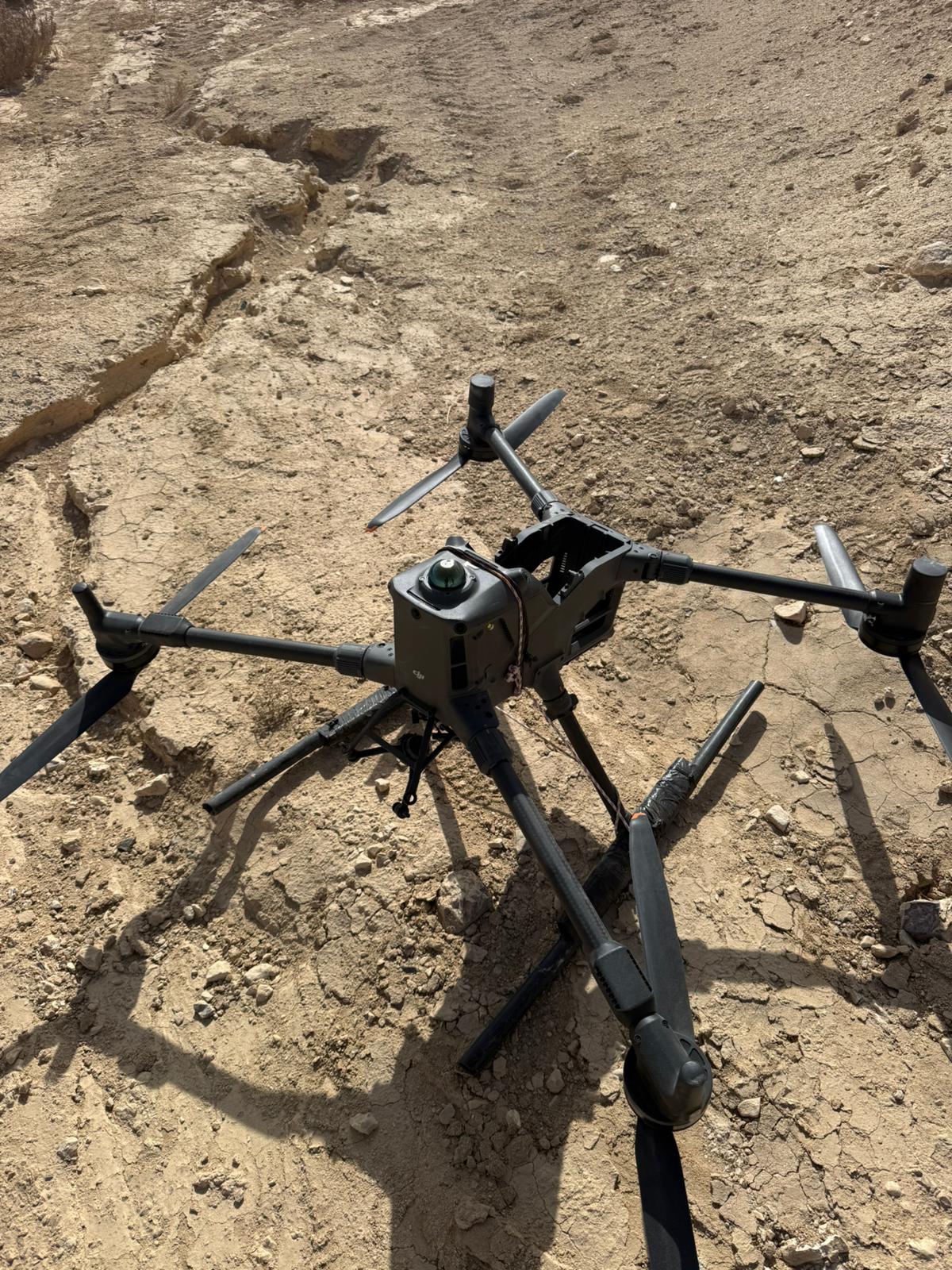
2+In the next stage, Bedouins in Sinai make contact with their partners from the Bedouin diaspora in Israel. According to the territorial divisions practiced among Negev tribes, the western Negev border “belongs” to Bedouins from the village of Bir Hadaj, who load the weapons onto drones.
These aren’t small drones like Hezbollah’s FPV drones, which cost a few thousand dollars and can carry just a few kilograms of payload. These are heavy drones that can cost around $200,000 each, with a carrying capacity of close to 100 kilograms of equipment.
 2+
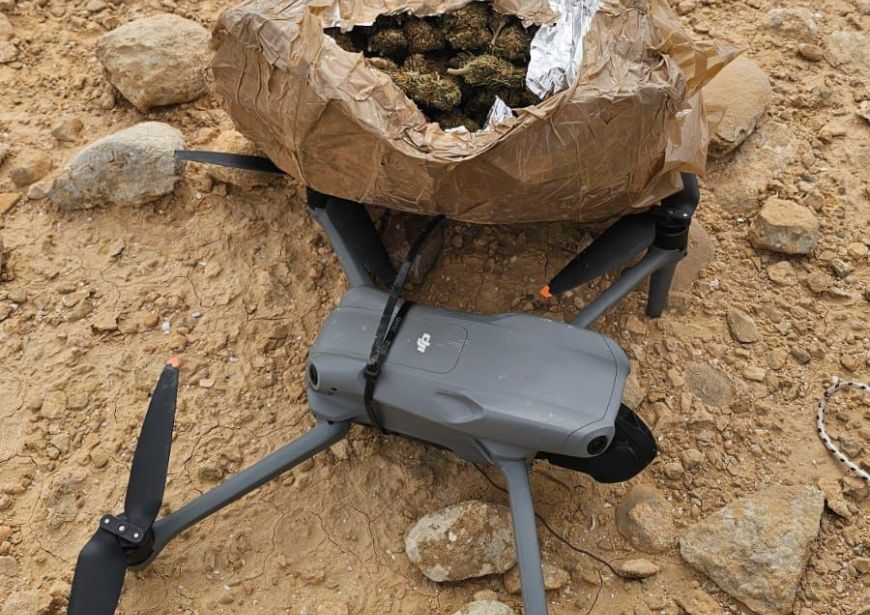
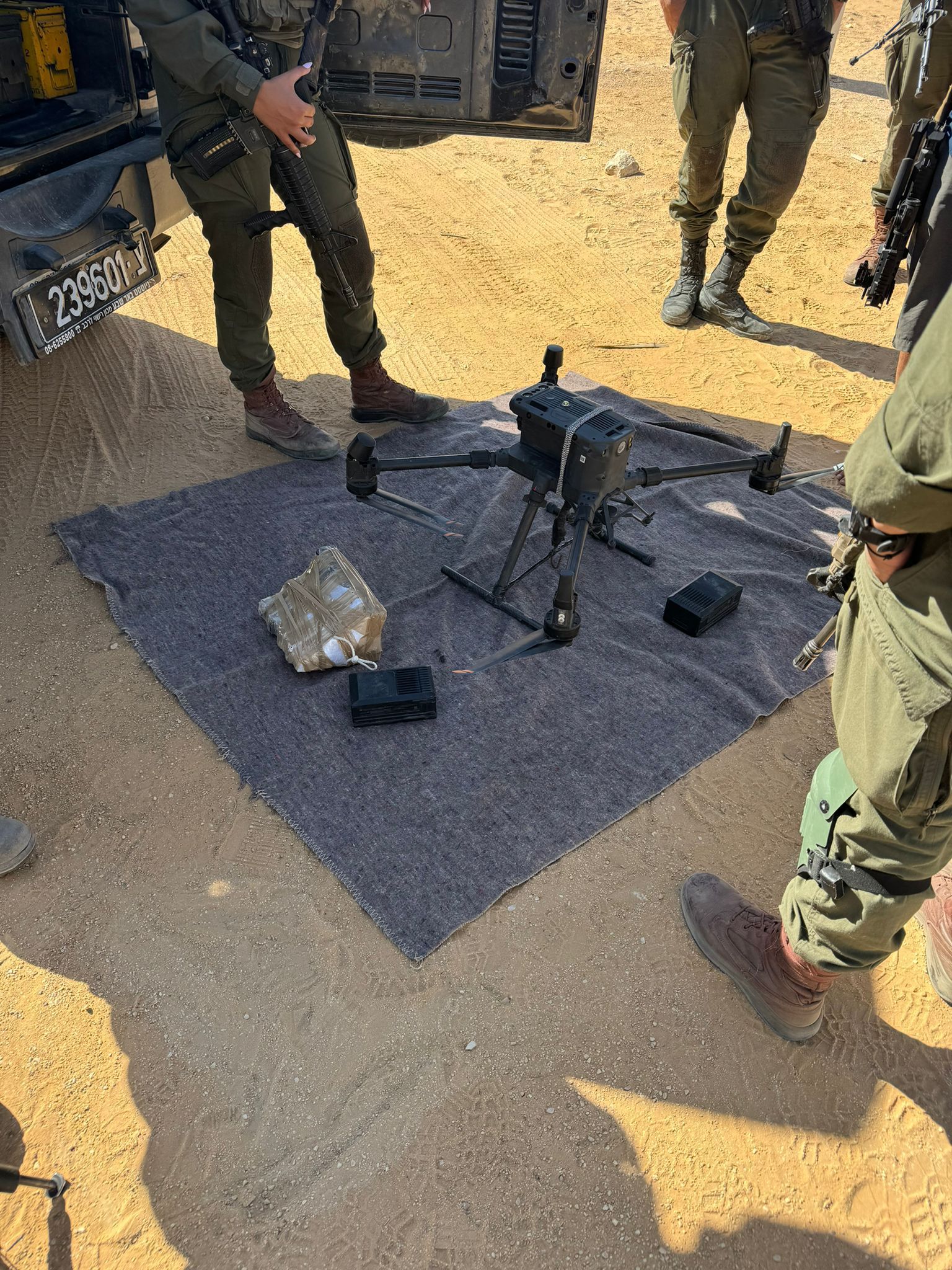
2+From the western Negev, the smugglers from Bir Hadaj fly the drones loaded with weapons to Hamas operatives inside the Gaza Strip. How much weaponry has entered Gaza this way is unknown, but estimates are that the quantities are significant.
Not Just Weapons
Over recent decades, an extensive smuggling network has developed along the border between the Gaza Strip, Egypt and the Sinai Peninsula, used to transfer a wide range of goods. Through tunnels and illegal routes over the years, smugglers have moved food products, fuel, medicines, construction materials, vehicle parts, livestock, consumer goods and other items, alongside weapons. The scale of smuggling turned the illegal trade into a significant economic sector in the region.
 2+
2+According to reports, the smuggling networks relied on Bedouin tribes’ familiarity with the desert terrain and on connections built between actors on both sides of the border. Those same routes served to transfer civilian goods alongside other illegal smuggling, and were adapted from time to time according to Egyptian and Israeli enforcement measures. Even after the destruction of a large portion of the smuggling tunnels, various sources estimated that smuggling networks continued seeking alternative ways to transfer cargo into the Gaza Strip.