


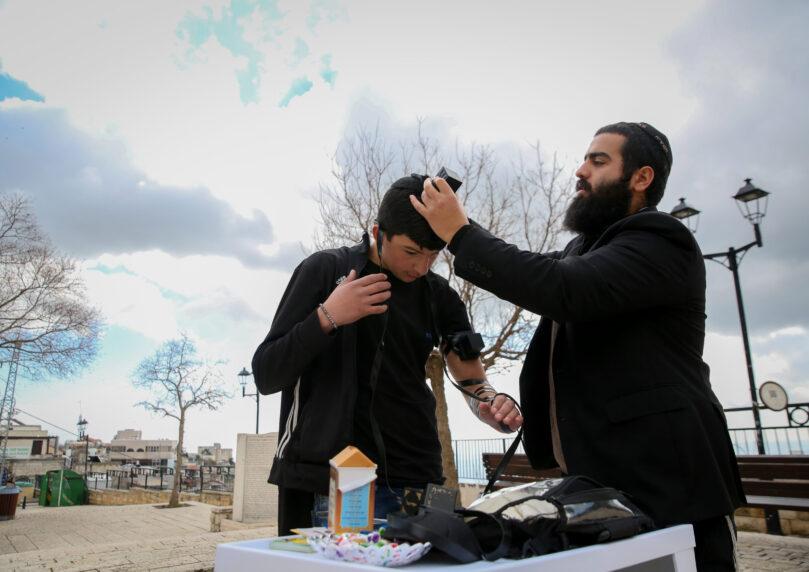

As we first reported: Israel’s Education Ministry published regulations yesterday (Monday) governing tefillin-laying in state schools and establishing uniform national policy on the issue. The dramatic move, led by Education Minister Yoav Kisch, comes after a year that saw several incidents in which principals and teachers opposed students’ requests to put on tefillin at school.


 3+
3+The regulations establish several requirements: Schools must designate an honorable, dedicated space for laying tefillin, and set structured times for it during the school day. As our reporter Milen Amar reported, a student at Ma’ayan HaShachar school who previously set up a tefillin stand at a middle school in the Hefer Valley was attacked by teaching staff who claimed “if there’s an atheist, it hurts his feelings.”
In a statement, the Education Ministry said the directive aims to establish a clear set of rules that give school principals an organized framework for action, and create certainty in how policy is implemented across all state schools.
 3+
3+What Does the New Regulation Require?
-
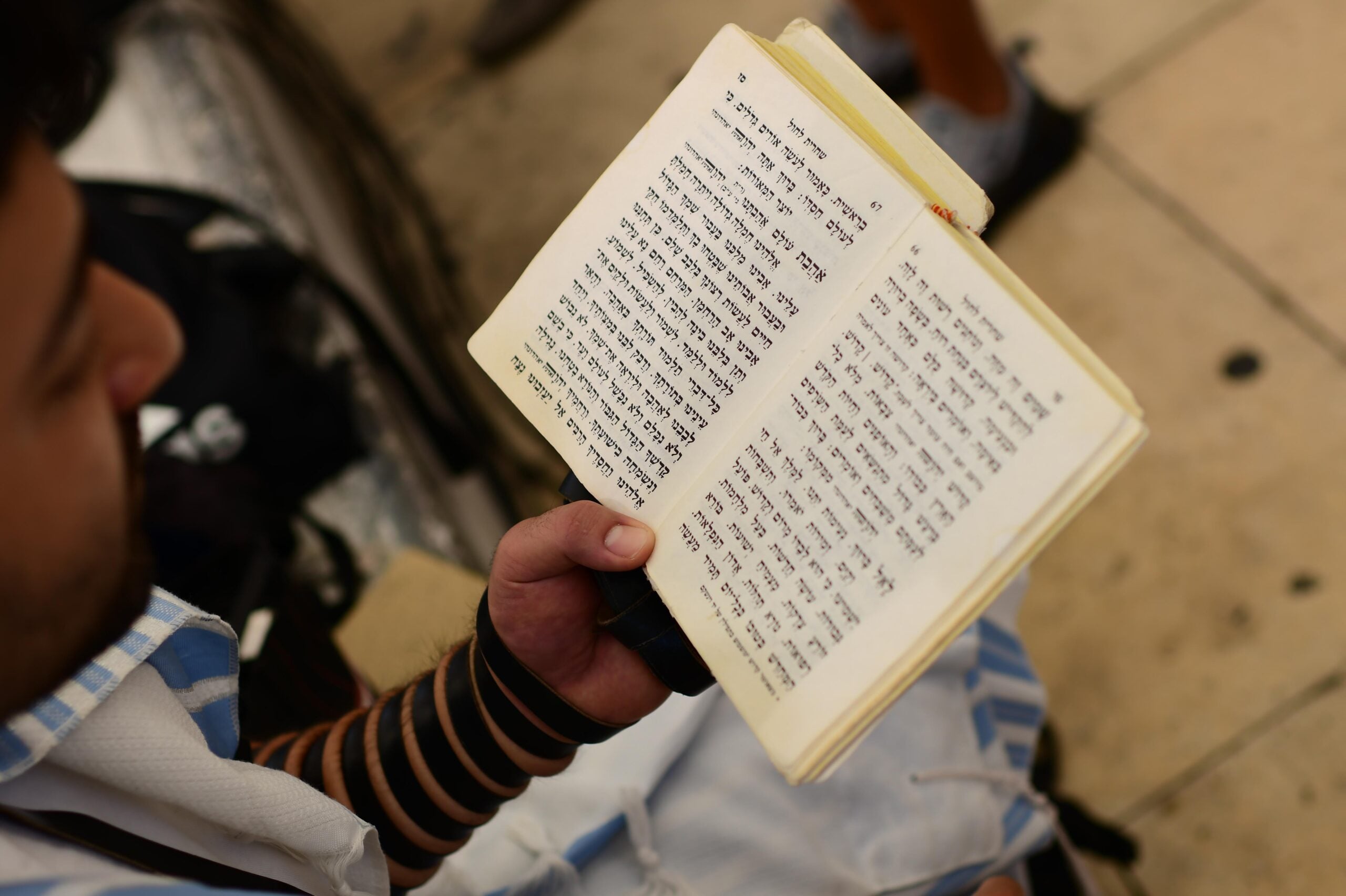
- Mandatory space allocation: School administrations will be required to organize respectful space and appropriate conditions for students who wish to lay tefillin.
- Clear time definition: To avoid disrupting the learning sequence, tefillin-laying will take place at pre-defined times, such as during breaks, and not at the expense of class time.
- Preventing disruptions: Tefillin-laying will take place during breaks only, while maintaining school routine and without creating coercion or disturbance to all students.
- Responsibility: Students will be responsible for bringing tefillin and arriving to classes on time accordingly. “In a manner that enables them to exercise their choice while maintaining learning continuity and school routine.”
 3+
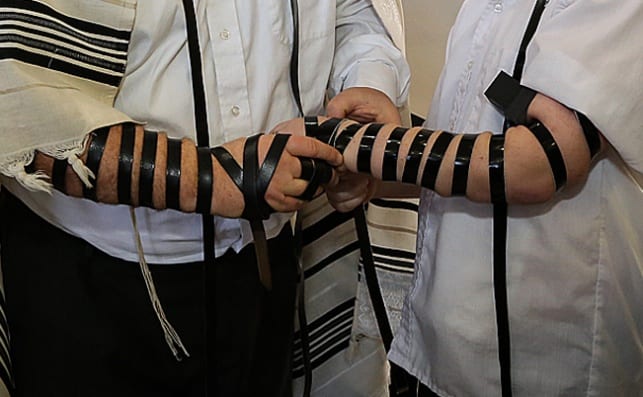
3+Education Minister Yoav Kisch: “Laying tefillin in the Jewish state is not a subject for controversy or local interpretations. It is a fundamental right, a basic tradition, and a source of national pride. The lack of regulation that accompanied the system for years created friction and uncertainty that harmed students, parents, and administrations. Today we are strengthening Jewish identity and connecting the younger generation to the deep roots and heritage values that are ours.”
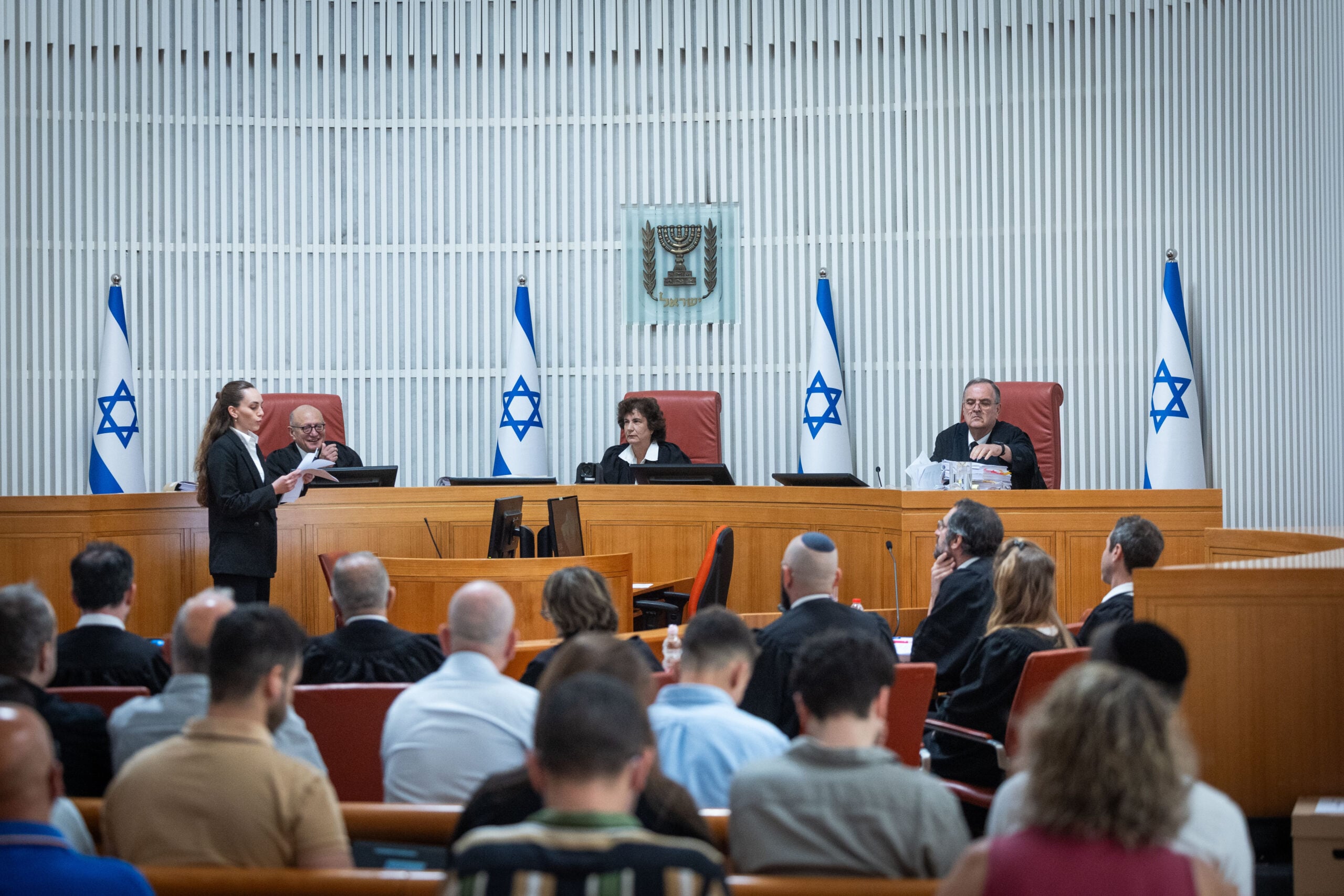
Just before the regulations were signed, they faced opposition from the Education Ministry’s legal counsel—who imposed a condition that sparked uproar. The legal advisors argued that in order to meet the equality test in a democratic state, it’s impossible to allow dedicated space for tefillin-laying for Jewish students only. They demanded that in every school where space is allocated for tefillin-laying, parallel dedicated spaces must be established for Islamic prayer (“mini-mosque”) and Christian prayer (“mini-church”).
 3+
3+Education Minister Yoav Kisch rejected the demand outright and made clear: “In the State of Israel, the Jewish and democratic state, a student doesn’t need to be afraid to lay tefillin. He won’t be punished and won’t be reprimanded because he asked to fulfill this commandment.”