


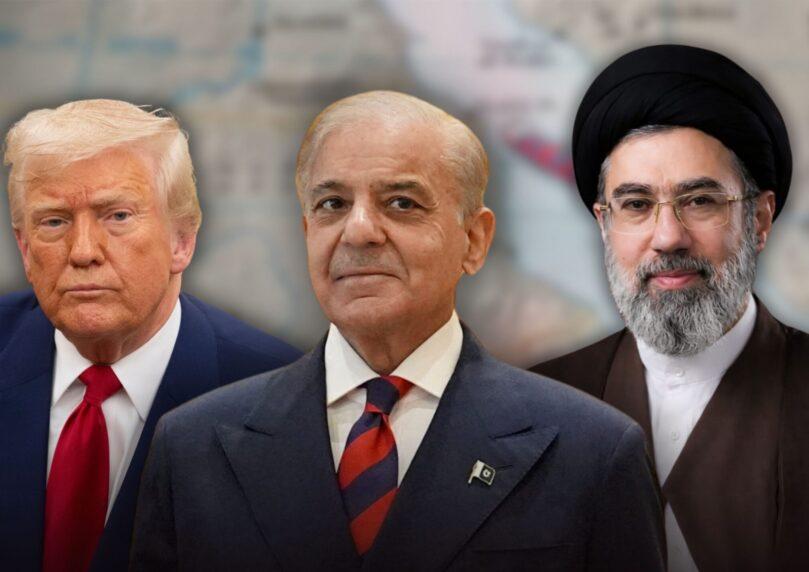

Al Arabiya reported today (Saturday) that Pakistan will host a new round of talks between the United States and Iran on July 11, according to official sources who spoke with the outlet. The sources said the upcoming round will focus on three main issues: American sanctions imposed on Tehran, frozen Iranian funds, and Iran’s nuclear program.

 2+
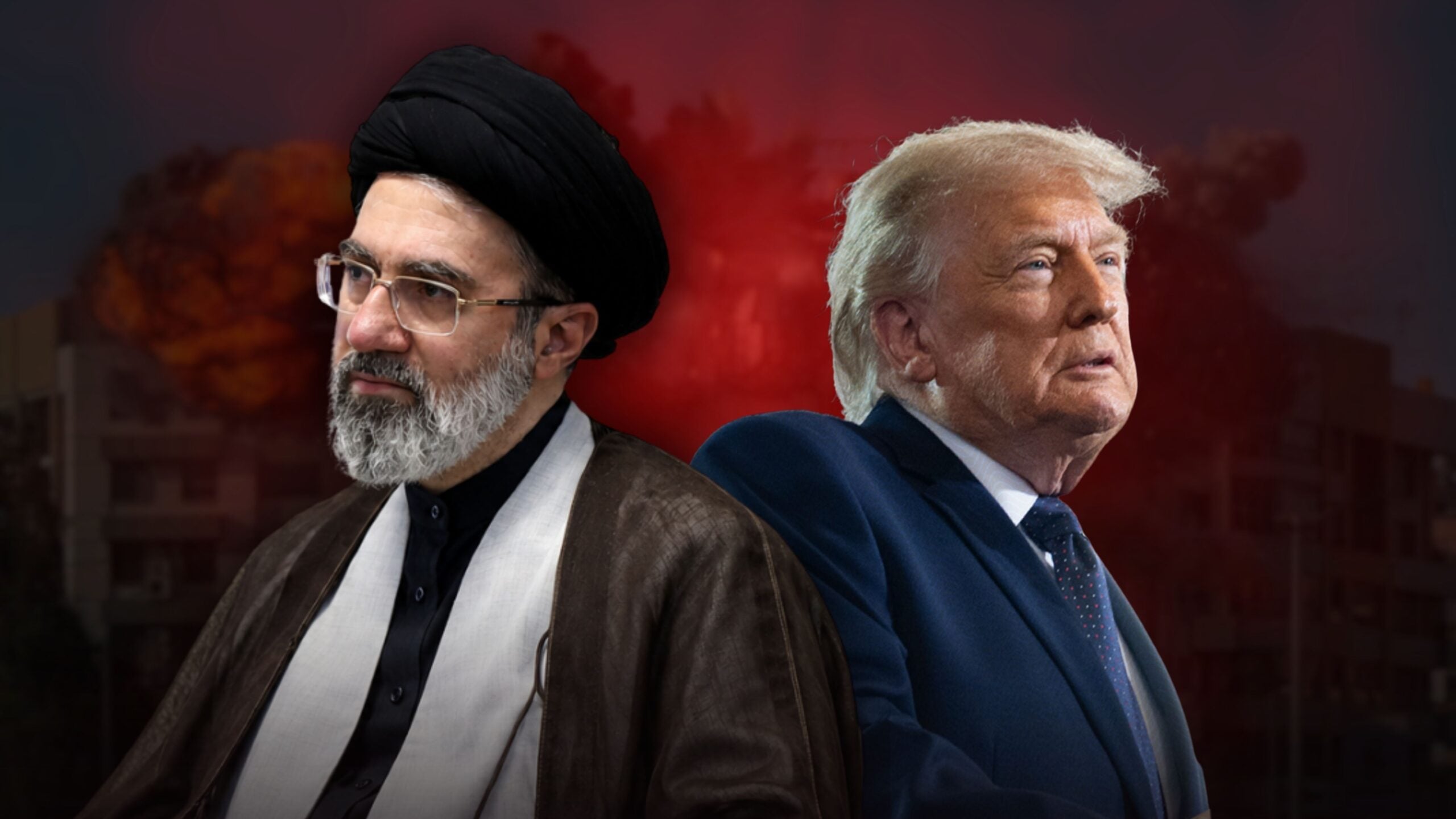
2+The sources added that the level of representation for the Iranian delegation in the negotiations has not yet been determined, and that the decision will be made after Ali Khamenei’s funeral ceremonies conclude. Al Arabiya claimed that while the expected negotiations still face challenges related to post-war arrangements, alongside disputes over Iran’s nuclear program, mechanisms for releasing frozen Iranian assets, and management of the Strait of Hormuz, both sides are seeking to explore the chances of returning to a diplomatic track that would reduce tensions in the region.
Months of Contacts
This round of talks comes after two other meetings held in Switzerland last month, and in Doha this past Tuesday and Wednesday. This is in addition to months of indirect contacts between Washington and Tehran, which focused on de-escalation and renewing a negotiating path on the nuclear program, against the backdrop of ongoing disputes regarding sanctions removal and guarantees required from both sides.
 2+
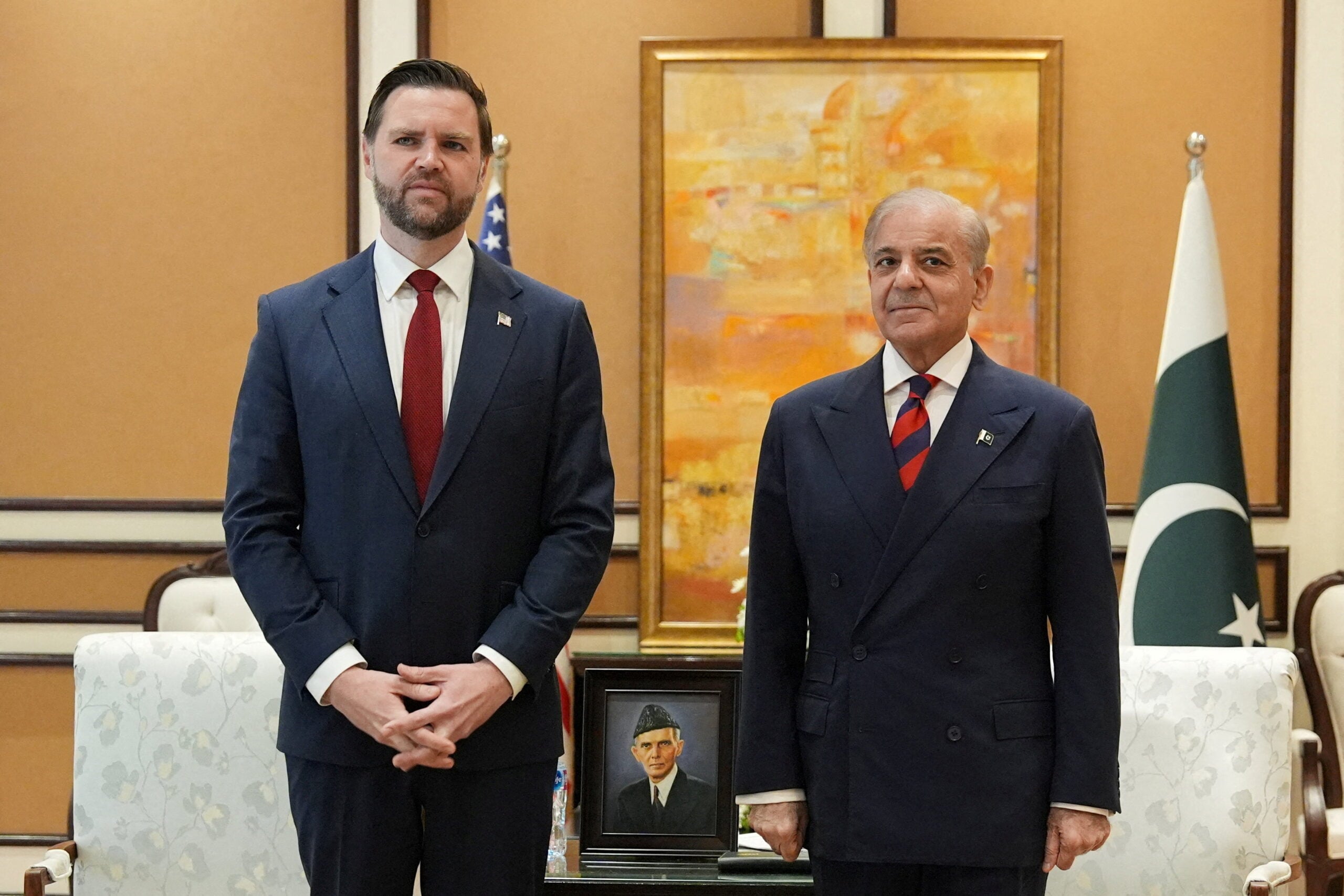
2+Before the Sabbath began, it was reported that the sides agreed to resume talks after Ali Khamenei’s funeral ends. The change comes mainly from the host country, as Pakistan could once again become a significant player in negotiations between the countries.
Back in May, Dror Balazada wrote that Pakistani mediation is far from fair. Pakistan is in a deep economic crisis, with external debts of more than a hundred billion dollars—and a large portion of the money it received came from Saudi Arabia, the United Arab Emirates, and Western sources.
 2+
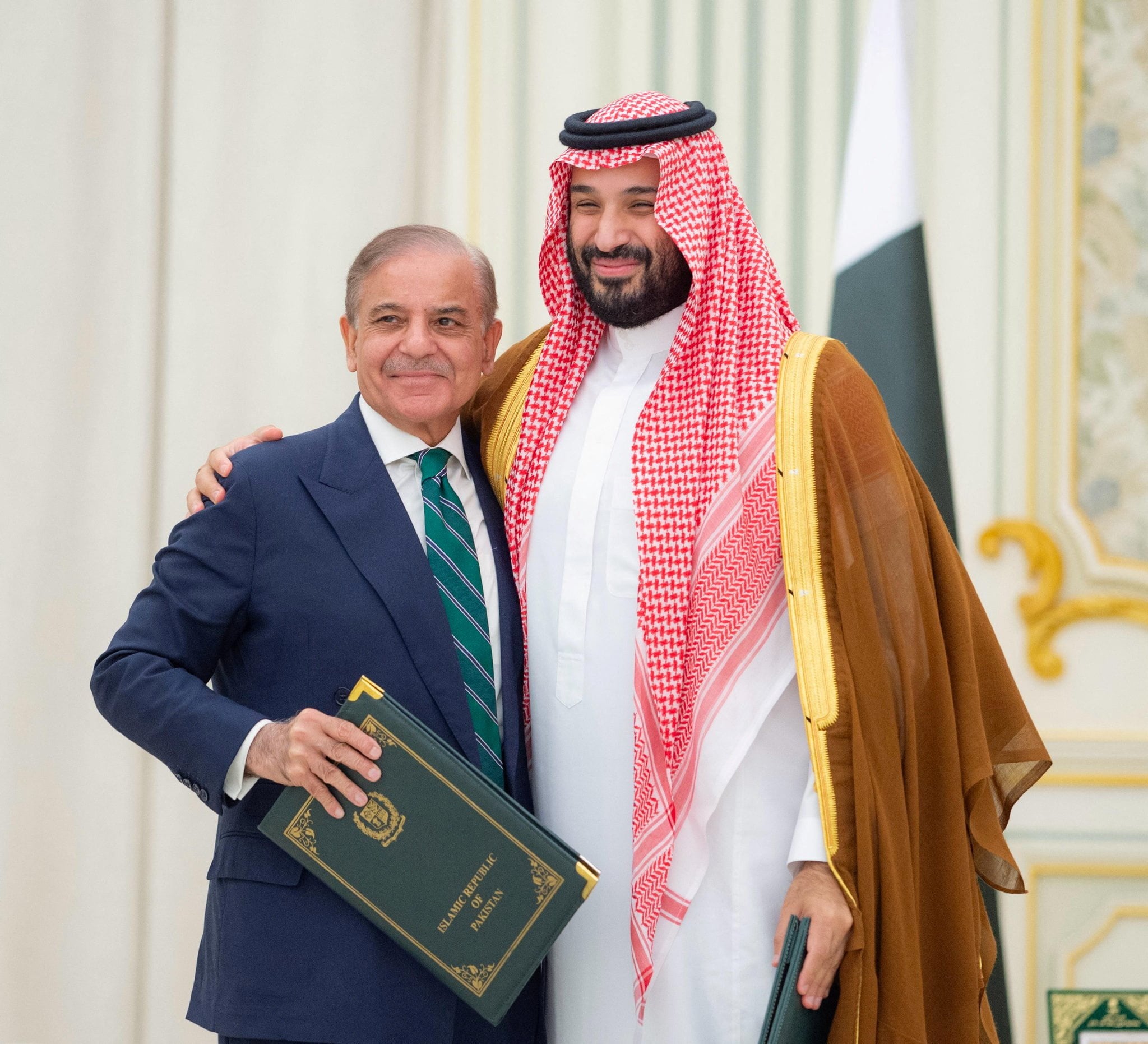
2+Balazada revealed that Pakistan is trying to use its mediation with Washington to serve its own interests as well. Pakistan and Iran reached understandings whereby if Islamabad helps bring about a favorable deal for Tehran—the Iranians will help it deal with its external debts, using the money they’ll earn from the agreement.