


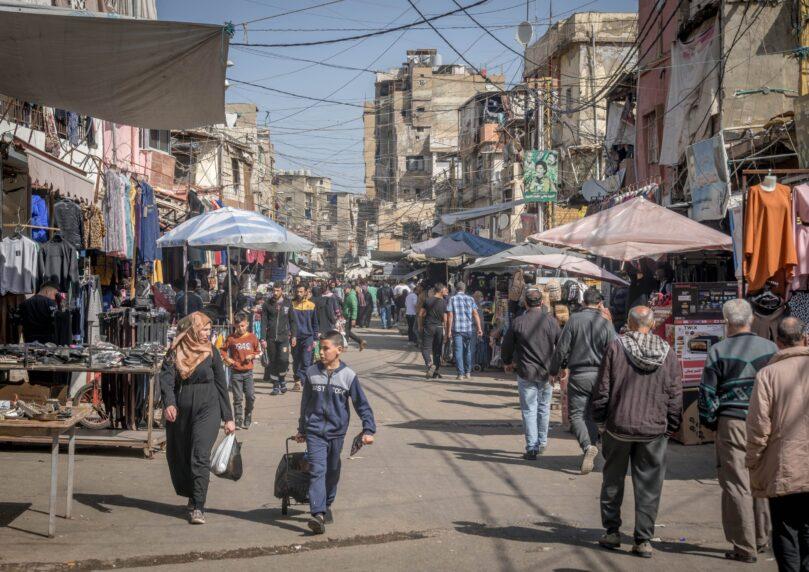

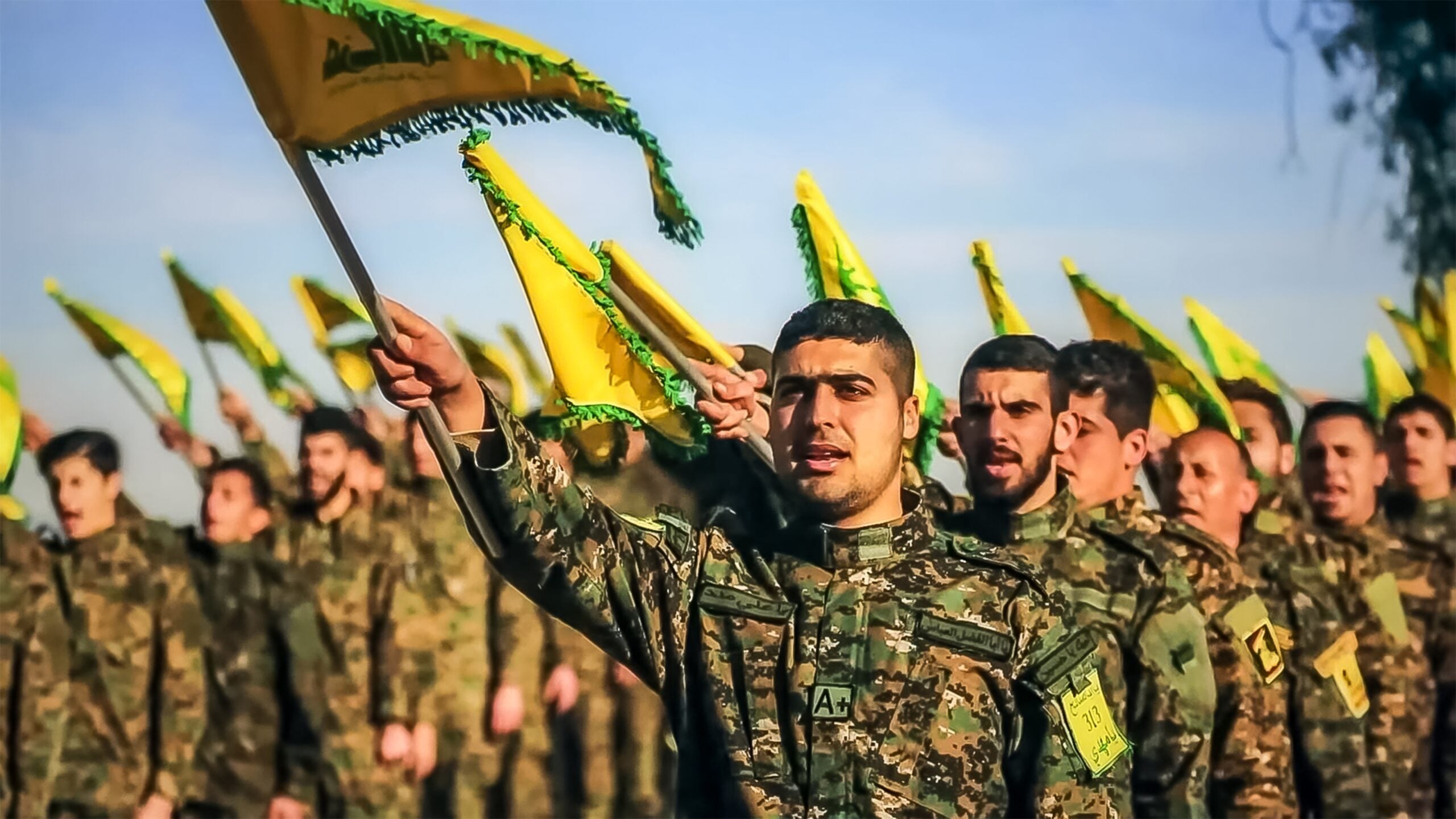
The framework agreement signed between Israel and Lebanon last week continues to roil the country, fueling internal Lebanese tensions. The deal strikes at Hezbollah: it mandates that Lebanon’s army work to disarm the organization, limits cash flows to it, and includes Lebanese recognition of Israel. These far-reaching measures are forcing Lebanon’s leaders to justify themselves to the public.

 3+
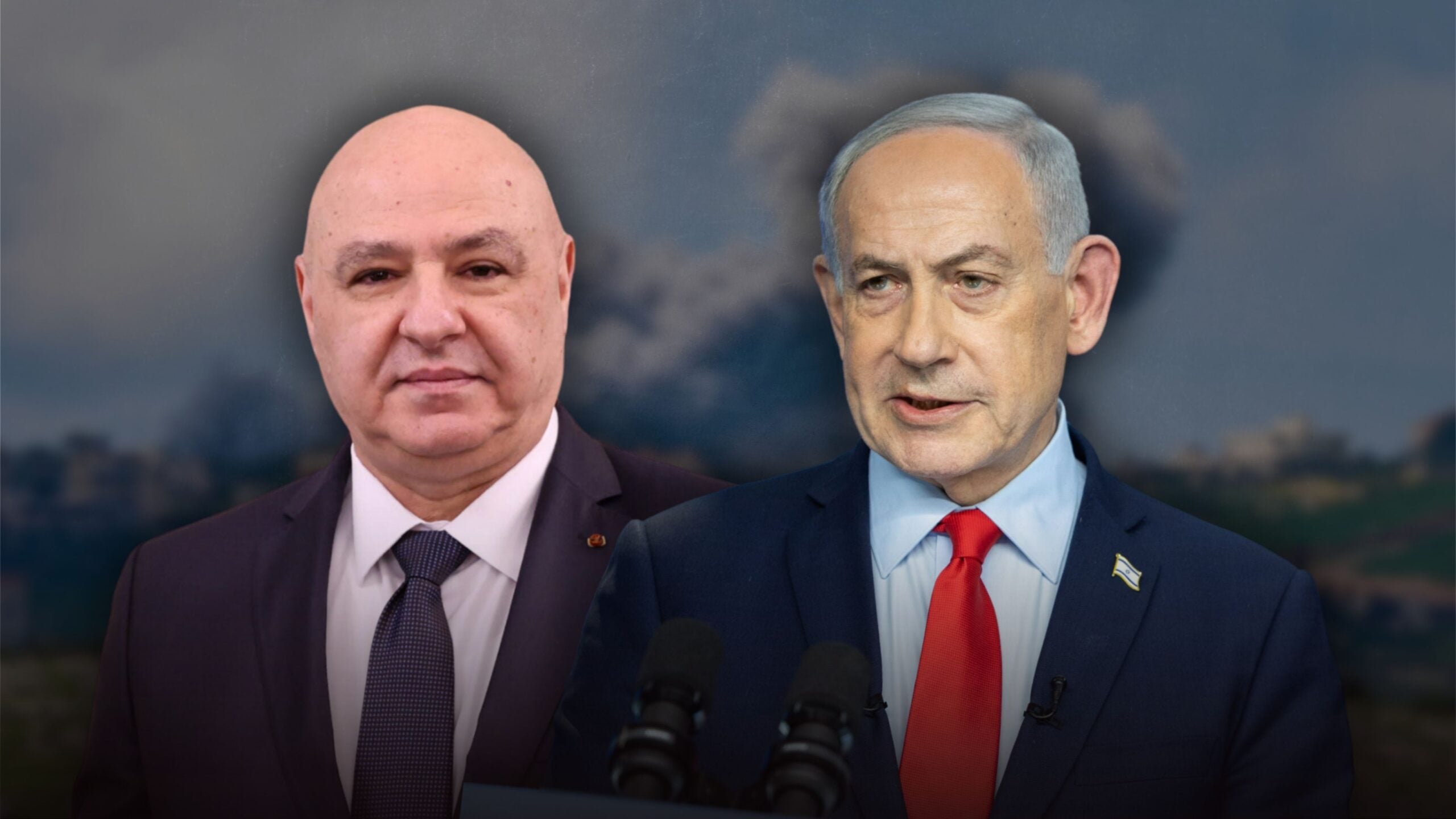
3+Lebanese President Joseph Aoun has been on an intensive meeting tour in recent days, aiming to rally public support for the government’s moves and present a united front around the agreement. In practice, alongside opposition from Hezbollah and its Shiite supporters, Aoun also enjoys broad backing from large segments of the Lebanese public.
At a meeting with senior lawyers, portions of which were posted on social media, Aoun said: “We have over 4,000 dead. 97 percent of them are Shiites. Why? Don’t they have the right to live? Besides that, there are a million, or a million and a half, sleeping in the streets. Don’t they have the right to live? Hasn’t this been enough for us?”
 3+
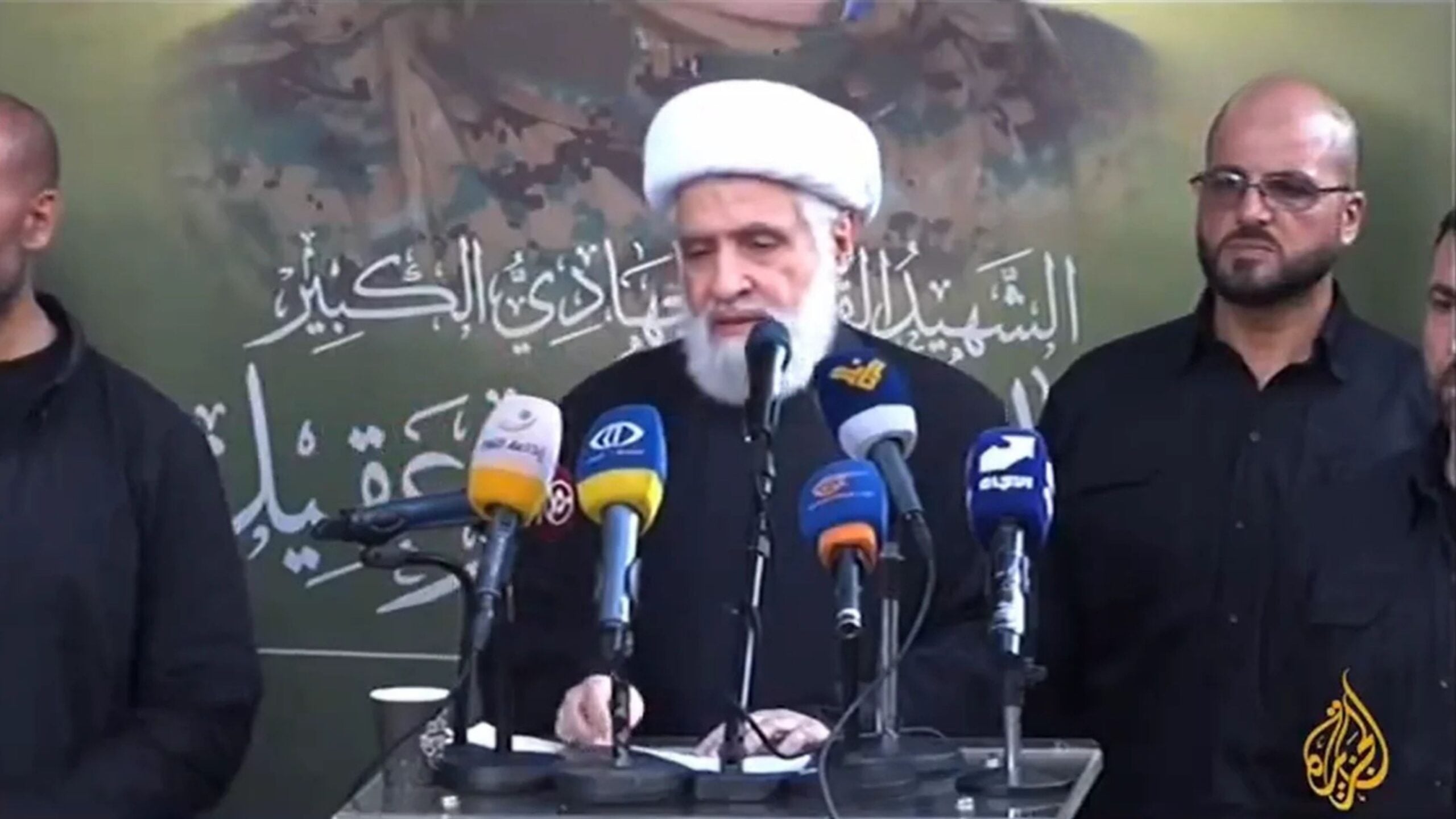
3+Addressing the spirit of the agreement more broadly, the president added that “we’re fed up, and I’m sure the majority of the Lebanese people support the principle of the state’s free sovereignty, and support what we’re doing now, because they want to end the troubles.”
Lebanese Prime Minister Nawaf Salam has also joined the effort. In a comprehensive interview he gave yesterday, he went through the agreement section by section, responded to criticism, and explained the logic behind it to the Lebanese public.
 3+
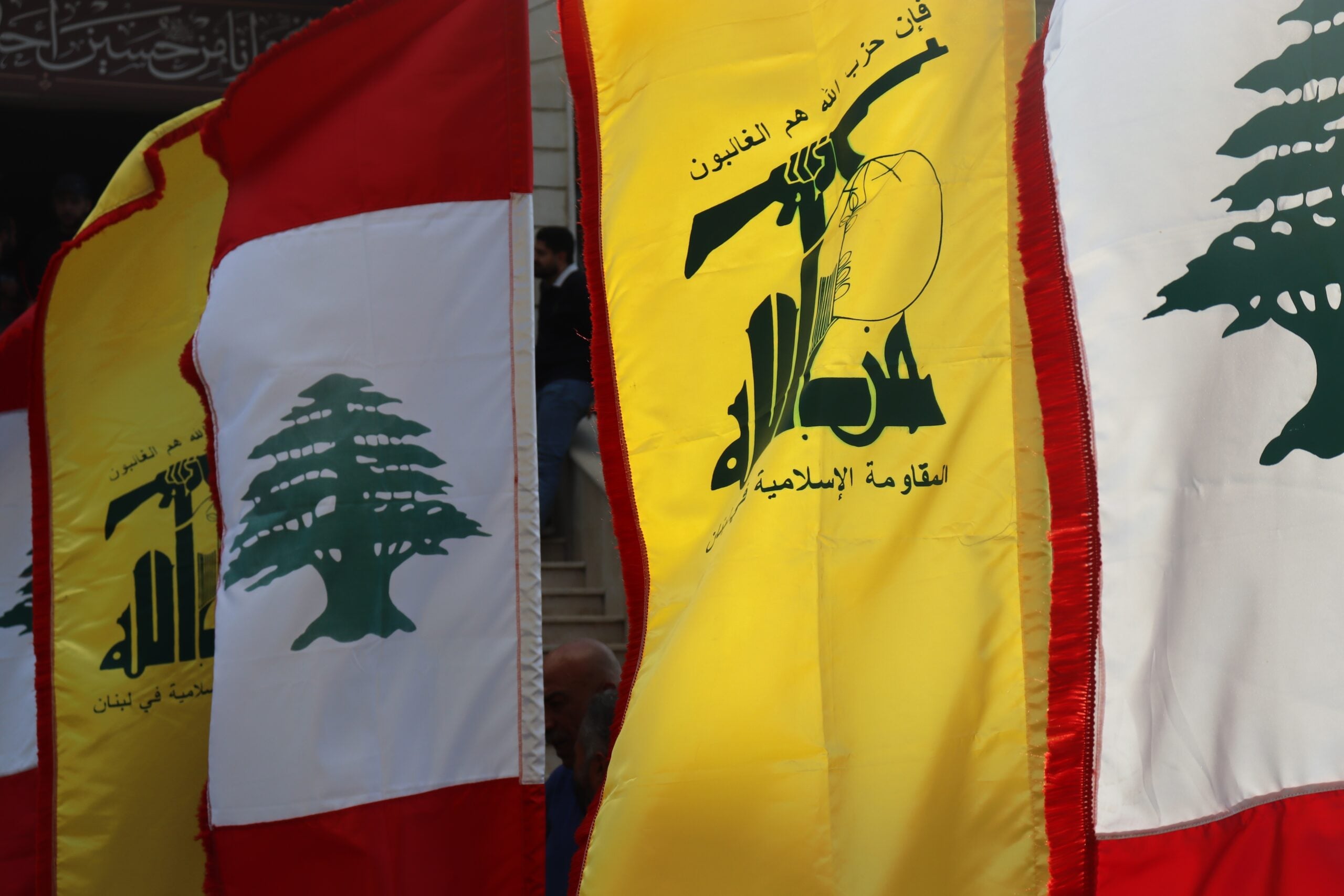
3+“The two adventures of support wars (in Gaza and Iran), and their disastrous results, (Hezbollah) calls ‘victories.’ How? It’s not clear to me. If these aren’t disasters, you can call it a ‘Nakba’.”
Meanwhile, Syrian Foreign Minister Asaad al-Shaibani arrived in Beirut today and met with Lebanon’s president, prime minister, and other senior officials. At the end of the meetings, both sides announced the establishment of a joint cooperation committee between Lebanon and Syria. The current Syrian regime has an open account with Hezbollah. Al-Shaibani himself was among the jihadists who fought against Hezbollah in Syria’s civil war.
 3+
3+The agreement, presented as a historic step for Lebanese sovereignty, is proving on the ground to be a deep fault line—one that unites parts of the country around the idea of change, but reignites the battle over Lebanon’s very identity.