


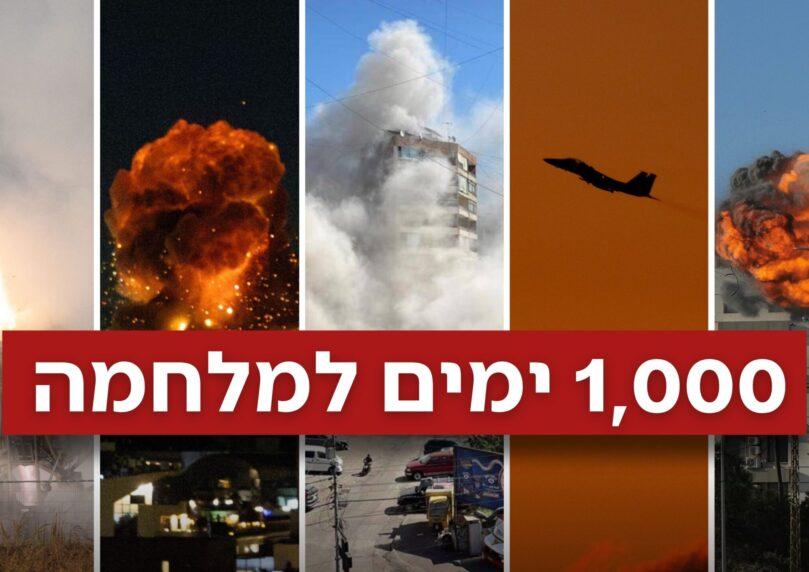

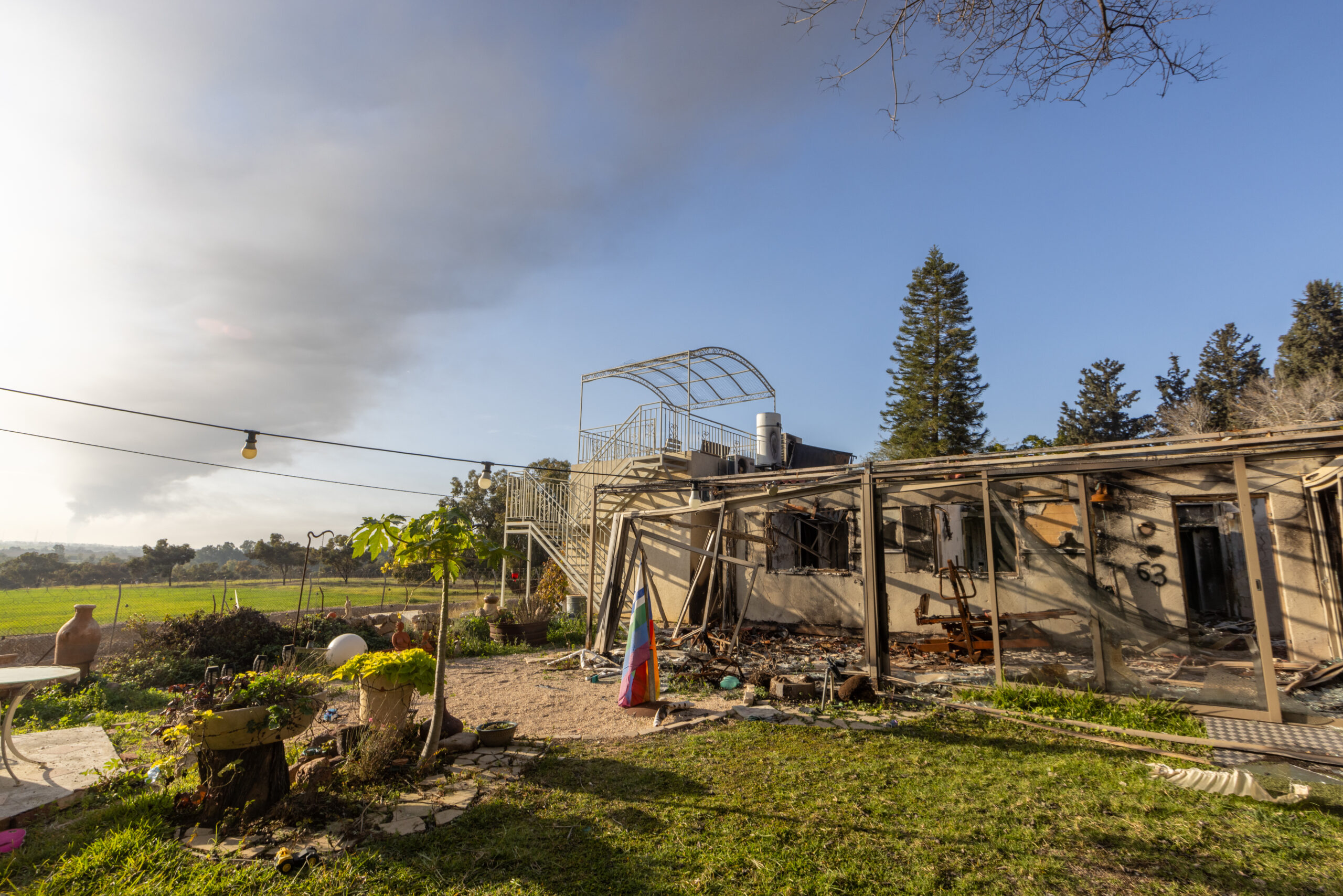
A thousand days have passed since the October 7, 2023 terror attack that plunged Israel into its longest and most complex war. Alongside the heavy toll in lives lost, wounded soldiers, and economic damage, the campaign has produced a series of major achievements that reshaped Israel’s security reality and the regional balance of power.

 7+
7+ 7+
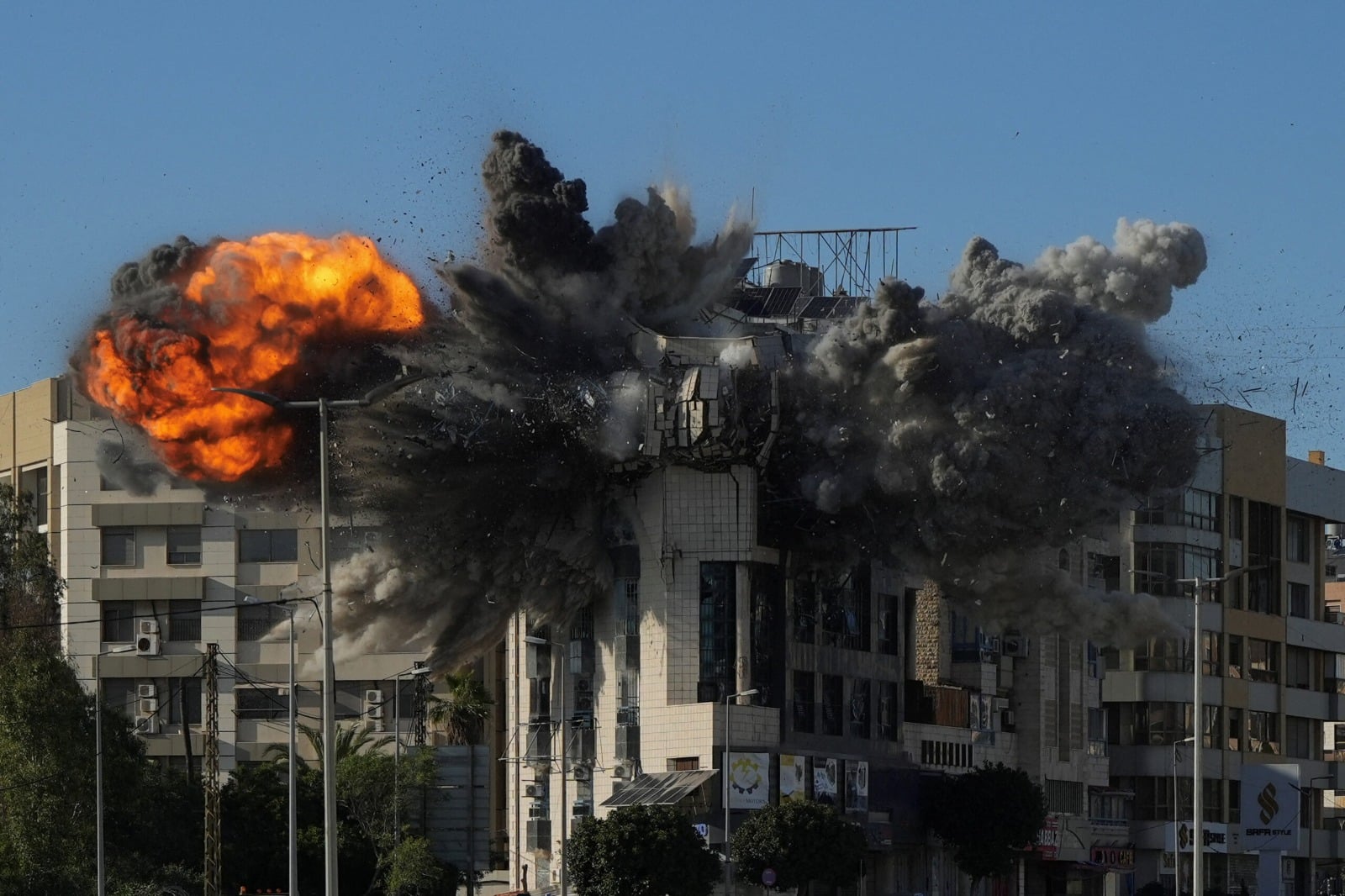
7+On the military front, Israel dealt significant blows to terror organizations’ capabilities. Over months of fighting, thousands of terrorists were killed, including senior Hamas and Hezbollah commanders. Extensive terror infrastructure was destroyed, attack tunnels neutralized, command centers dismantled, and rocket and missile production and launch capabilities sharply reduced. At the same time, the IDF expanded its freedom of operation across multiple fronts and developed new combat methods adapted to the multi-arena reality.
Israel also achieved a major shift vis-à-vis Iran. During this period, Israel—working closely with the United States and its allies—acted against Iranian attempts to strengthen its regional proxies. Alongside military and intelligence operations, Israel confronted Iran directly, an event considered a strategic turning point in the Middle East.
 7+
7+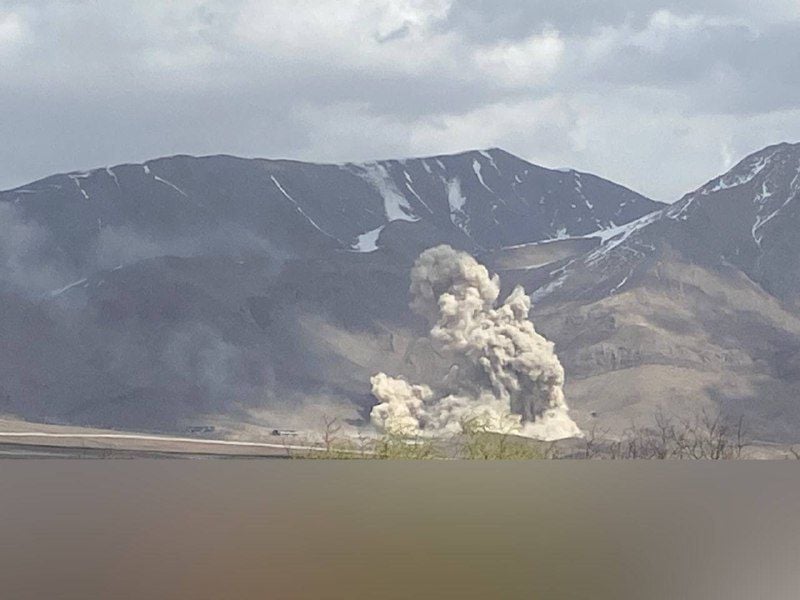 7+
7+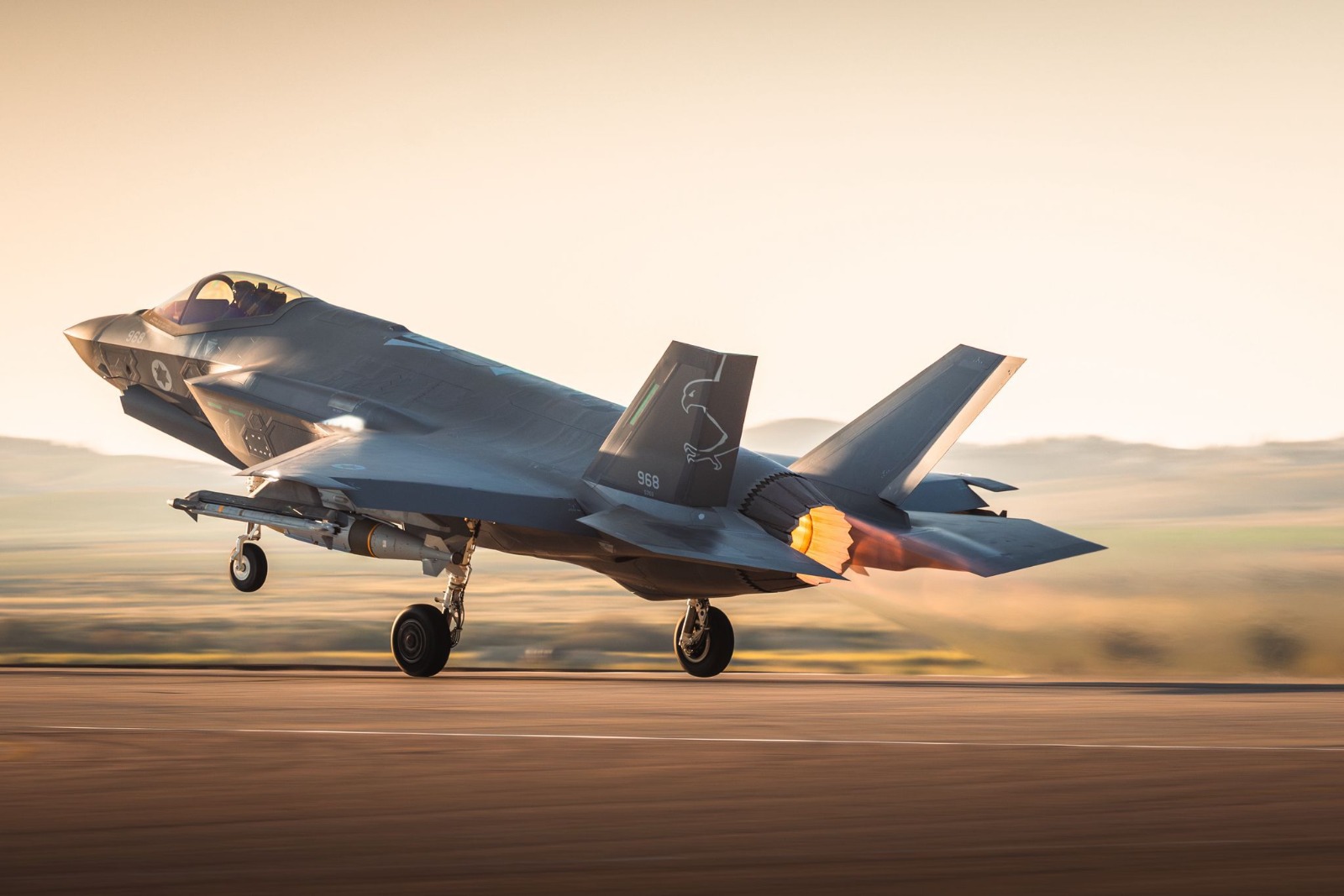 7+
7+On the northern border, Hezbollah’s leadership was significantly degraded, and Israel pushed the threat back from its border through sustained operations in southern Lebanon. Meanwhile, in Judea and Samaria, hundreds of attacks were thwarted through continuous intelligence and operational activity by security forces.
 7+
7+In defense technology, the war accelerated new developments in drones, artificial intelligence, defense systems, intelligence, and battlefield command and control. The Defense Ministry significantly expanded cooperation with startups, and hundreds of new defense ventures were advanced to apply the war’s lessons and strengthen Israel’s qualitative edge.
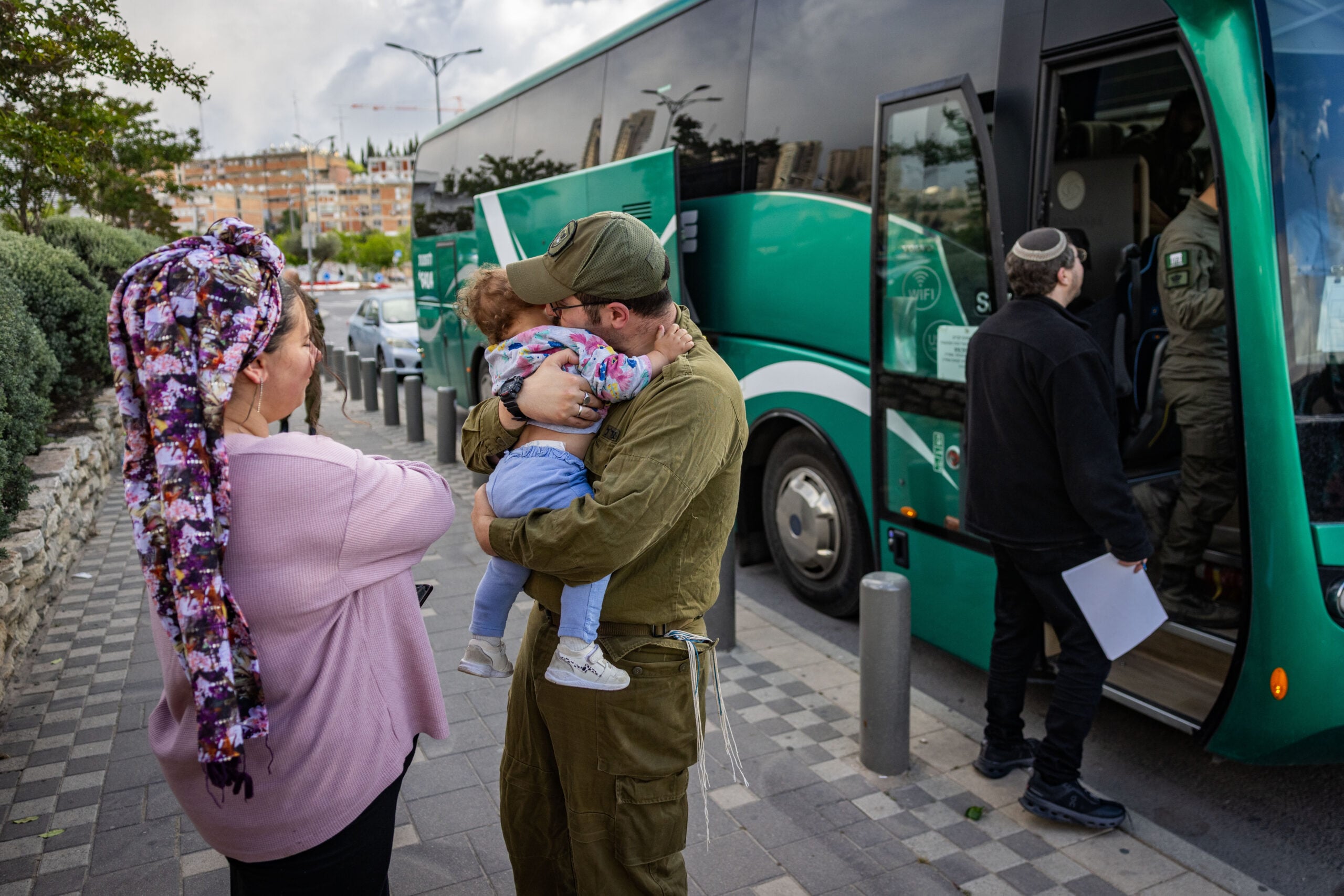
Israeli society also demonstrated massive mobilization capacity. Hundreds of thousands of reservists were called up for extended periods, thousands of volunteer organizations sprang up to support soldiers, evacuee families, and the wounded, and the Israeli economy maintained operational continuity despite the ongoing fighting.
 7+
7+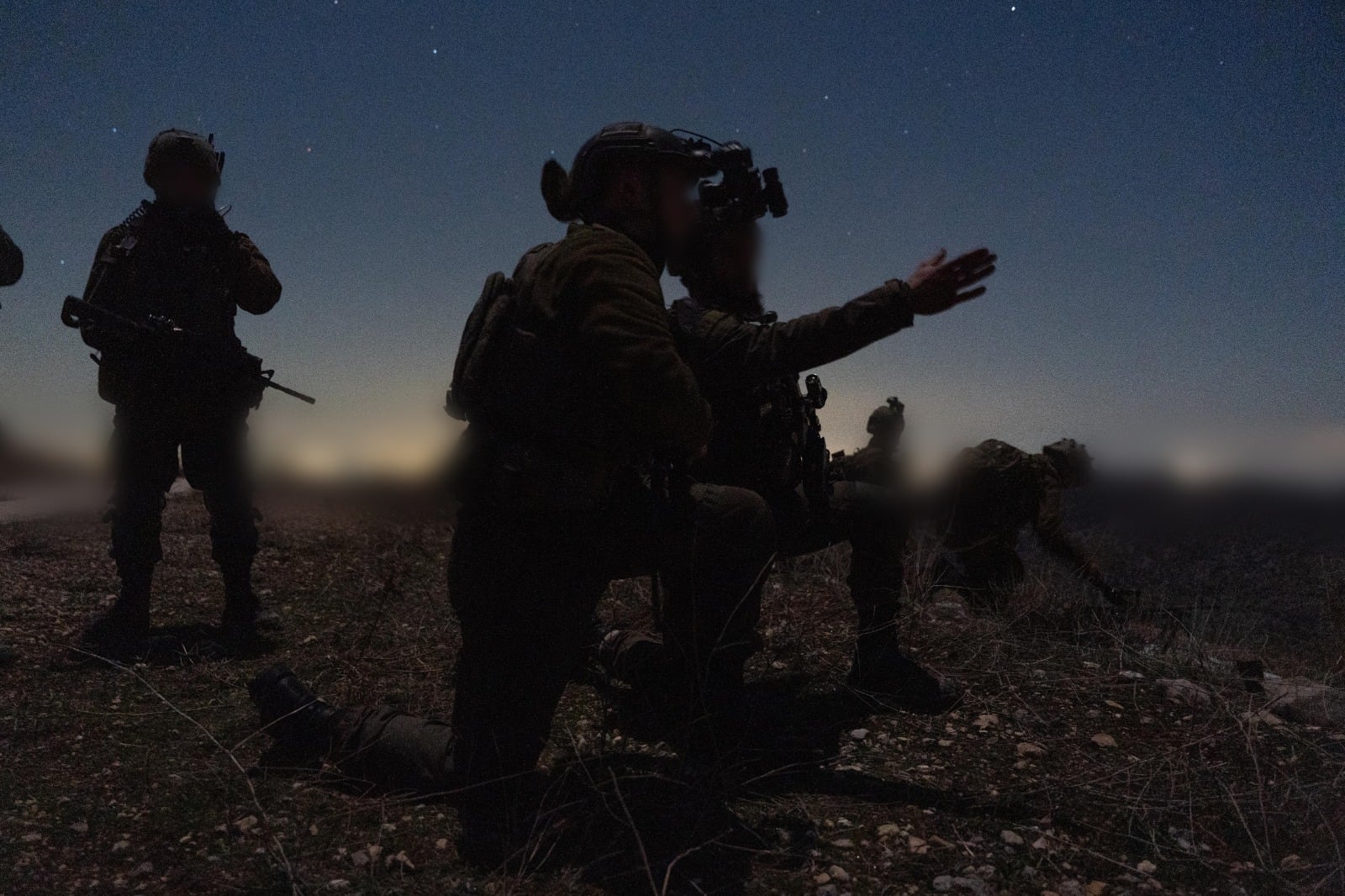 7+
7+Still, even after a thousand days, the war has left significant challenges. Reconstruction of southern and northern communities continues, bereaved families and war wounded are still grappling with its aftermath, and many security and regional issues have yet to reach full resolution.
The IDF this week marked the thousand-day milestone, with the Chief of Staff defining the period as a “significant strategic juncture” for Israel and emphasizing that the war changed combat doctrines and how the IDF will build its future force. “We won in every sector,” he said, highlighting the IDF’s achievements in the multi-arena campaign and the shift in security reality since October 7.