


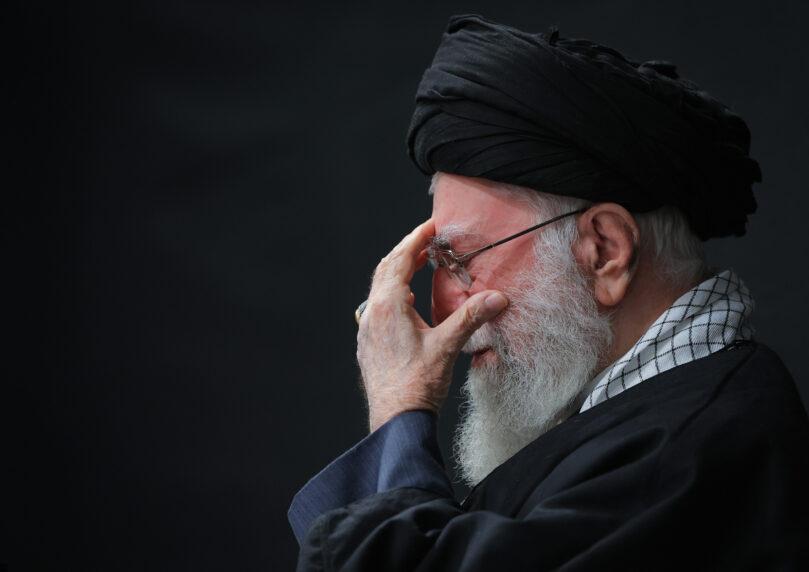

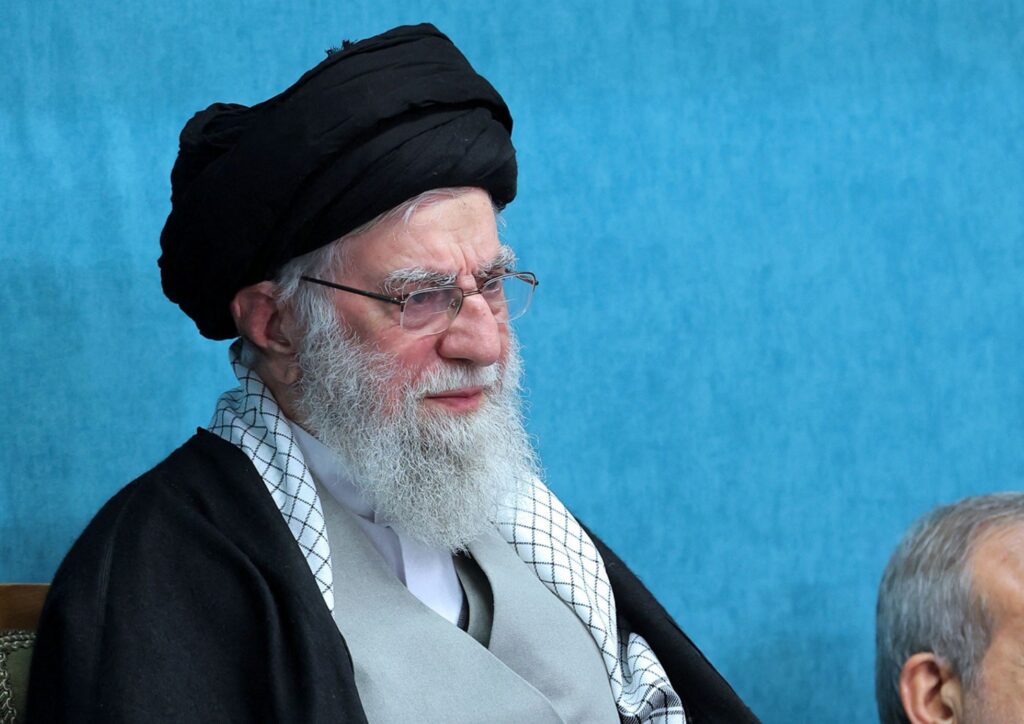
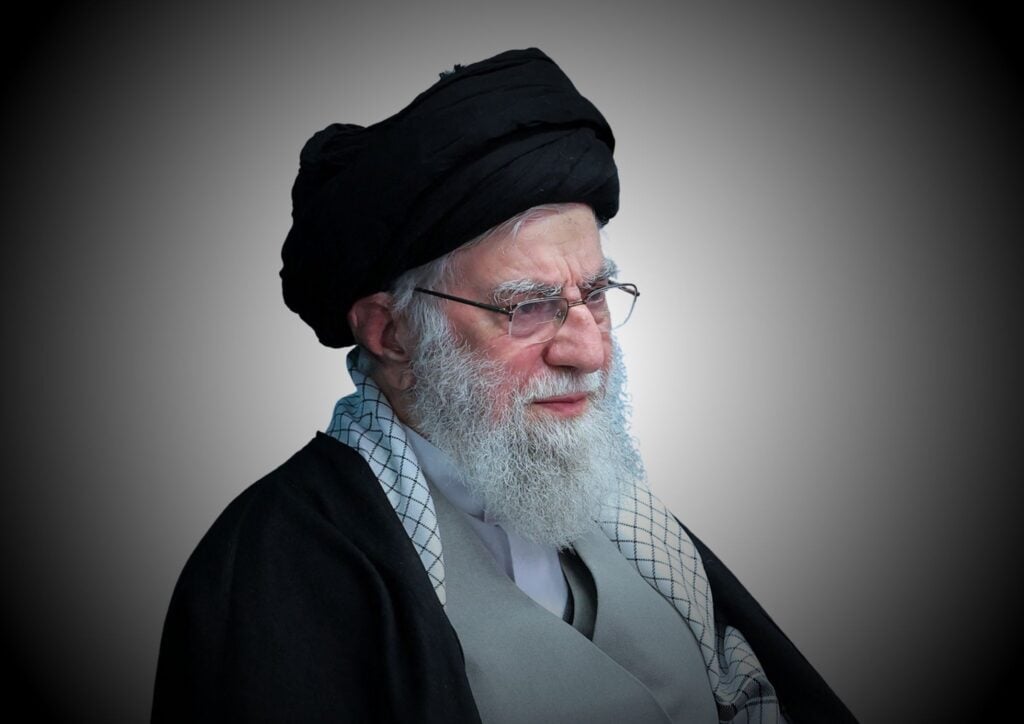
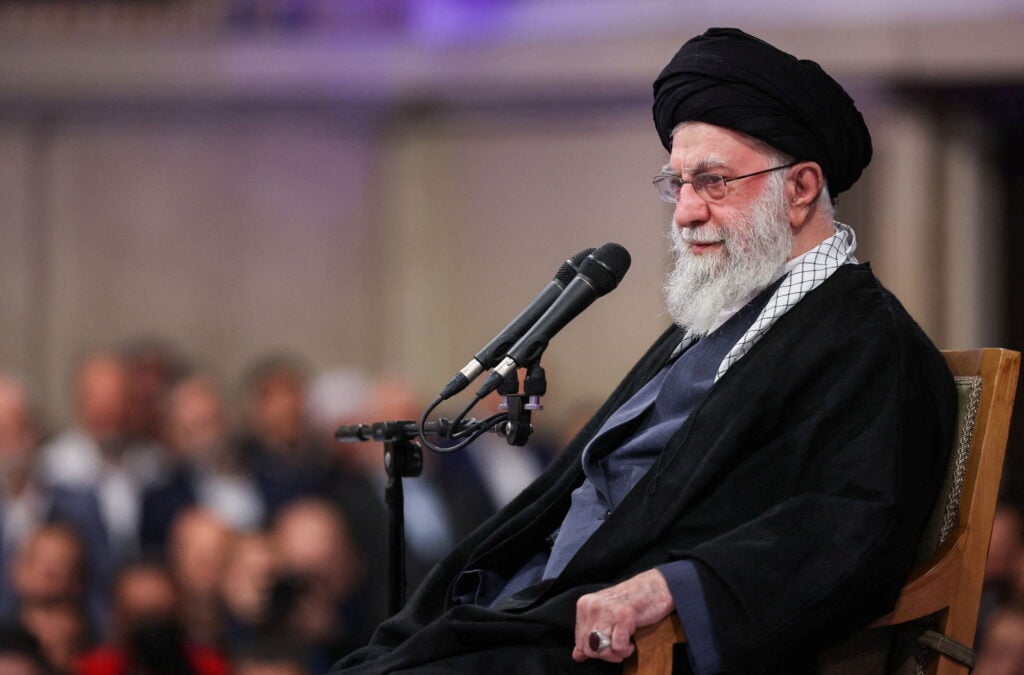
U.S. and Iranian media outlets revealed Wednesday the Islamic Republic’s massive preparations for the funeral ceremonies of Supreme Leader Ali Khamenei, expected to begin this coming weekend and conclude with his burial on July 9. The delay—more than four months since Khamenei was killed in his Tehran bunker by the U.S. military in late February—is unprecedented.

 6+
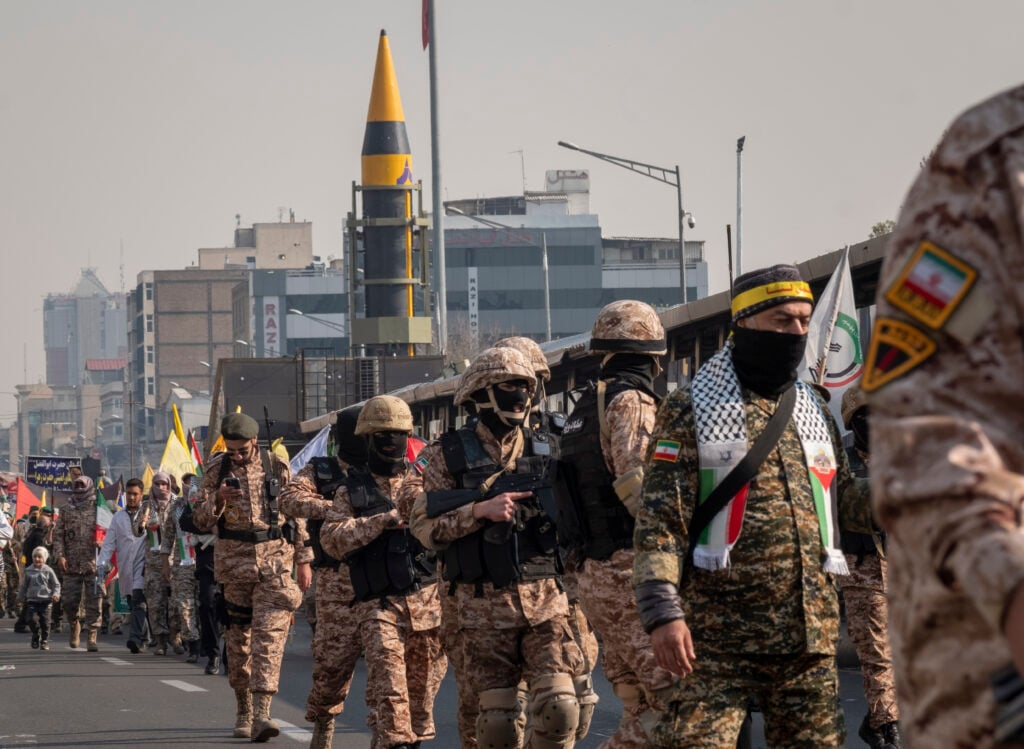
6+Iranian authorities are trying to turn the mourning event into a military show of force and mass mobilization, but international experts emphasize the ceremonies primarily expose the regime’s vulnerability and extreme global isolation.
The decision to postpone the funeral for four months has raised sharp questions, given Islam’s sweeping prohibition on chemical embalming and the religion’s requirement for swift burial. Counterterrorism expert Dr. Mohammad Omar explained the religious and physical mechanism behind the move in an interview with Fox News Digital: “The mechanism is almost certainly cold storage and freezing, not embalming, since Islam forbids chemical embalming.
 6+
6+“Shia law allows postponement of burial and cold preservation in exceptional cases, and a religious exemption for a Supreme Leader is easy to obtain. Iran’s morgues already hold bodies for months, so four months in a freezer isn’t exotic. That’s what ‘religious and legal standards’ cover.”
However, Dr. Omar believes the real reason for the delay and uncertainty relates to the physical condition of the body, which was severely damaged by a U.S. “bunker-buster bomb” on February 28: “There may not be much of a body to display. Khamenei was killed in a bunker-penetrating strike, and others killed with him were recovered weeks later and identified only through DNA.
 6+
6+“A regime holding an intact, whole body doesn’t cancel farewell ceremonies, change the burial site repeatedly, and confirm the burial only days beforehand. This looks less like honor, and more like body remains they managed to preserve but not display publicly.”
While the regime mobilizes the Basij militia and Revolutionary Guards to manage what’s defined as “a mobilization operation disguised as a funeral,” the real data shows sharp political isolation. Iranian President Masoud Pezeshkian personally invited Indian Prime Minister Narendra Modi, but India declined and announced it would send only junior officials. Other prominent leaders boycotted the event, except for senior figures from Iraq and Georgian President Mikheil Kavelashvili.
 6+
6+Dr. Omar summed up the meaning of the international boycott for the Tehran regime: “No major power is sending its top leader. For a regime claiming to lead a front stretching from Beirut to Sanaa, only regional presence at the funeral of the founder and heir exposes the isolation through the pomp and ceremony. For Washington, this is a useful status check: the war left Tehran’s axis much smaller and more local than the regime advertises.”
 6+
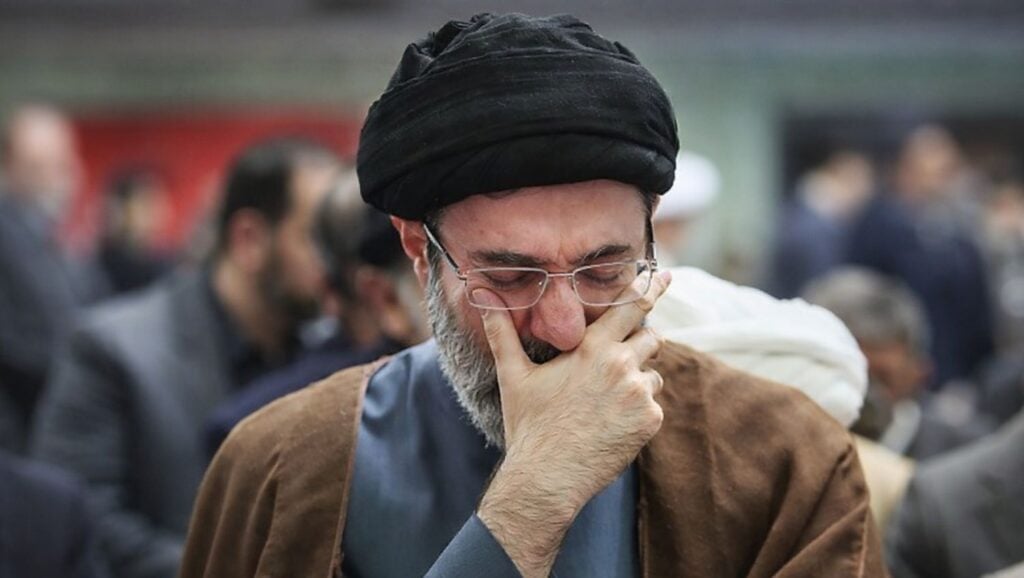
6+The question of the attendance and public appearance of Mojtaba Khamenei—Ali Khamenei’s son and Iran’s new Supreme Leader—remains one of the central and most intriguing mysteries ahead of the national funeral. Since his father was killed in late February 2026 in the American strike, in which Mojtaba himself was injured and his mother, sister, and wife were killed, he has not been seen in public at all, and his various statements have been conveyed only through written messages or audio contact.
His prolonged disappearance from view has ignited a rumor mill in Iran regarding his health and medical condition, even as the regime tries to project stability and displays street posters of the new leader alongside his late father. Official Iranian sources, including funeral headquarters secretary Ali-Akbar Forouzeshidian, refused to commit regarding his physical attendance and said the matter is not under their authority or knowledge.
 6+
6+At the same time, political commentators estimate that if Mojtaba chooses to break his silence and isolation, the funeral event would be the greatest symbolic opportunity for him to lead the memorial prayer, demonstrate control, refute rumors about his injuries, and formally establish the masses’ loyalty to his new rule.
Ali Khamenei’s funeral is being held in the shadow of unprecedented military and internal upheaval in the Islamic Republic, which is trying to recover from the consequences of the brutal war. Only in recent weeks has the regime begun to stabilize the chain of command and prepare for the official burial, while attempting to present a false front of continuity and stability.
 6+
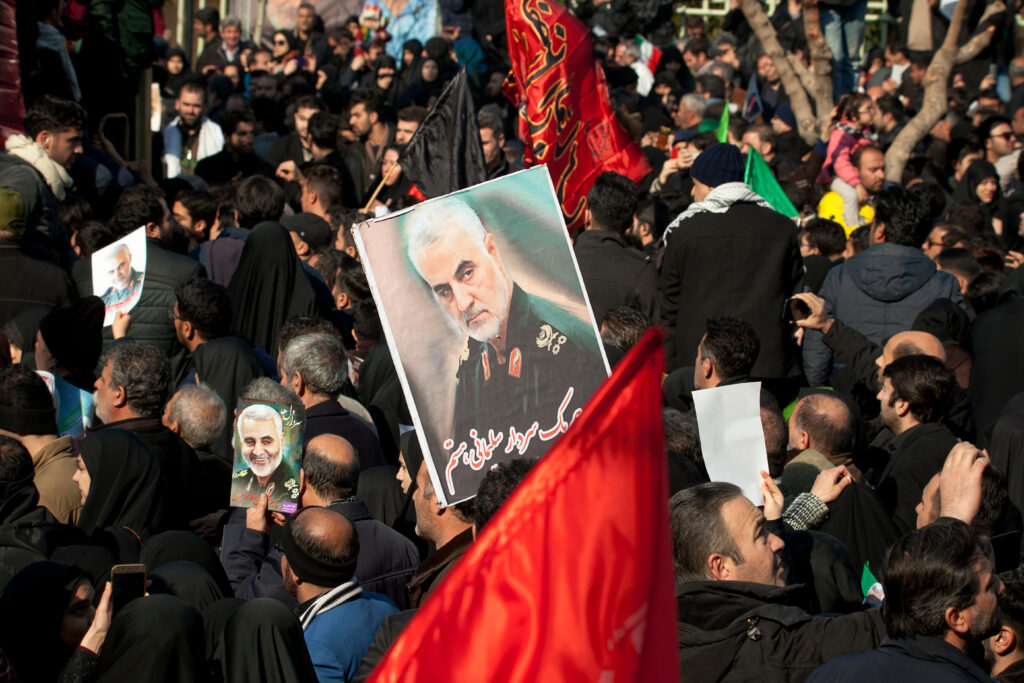
6+Tehran is now investing all its remaining resources to present massive numbers under the propaganda slogan “We must take revenge.” Authorities are circulating figures of about 20 million mourners expected to flood the capital’s streets and five days of national holidays imposed on the public. However, experts emphasize that the security logistics, managed by the Basij and including turning highways into giant parking lots and military control of crowds, are primarily designed to prevent renewed eruption by the local public.
The historical significance is particularly profound given that the same security mechanisms now managing and engineering the “national mourning” are exactly the same forces that brutally and with an iron fist suppressed the massive protests of this past January throughout Iran, while preventing families of protesters murdered by the regime from holding official funerals for them. Khamenei’s funeral is not a religious event of farewell, but a desperate final attempt by an isolated regime to flex its muscles externally and internally, at the decisive moment for the Middle East’s future.