


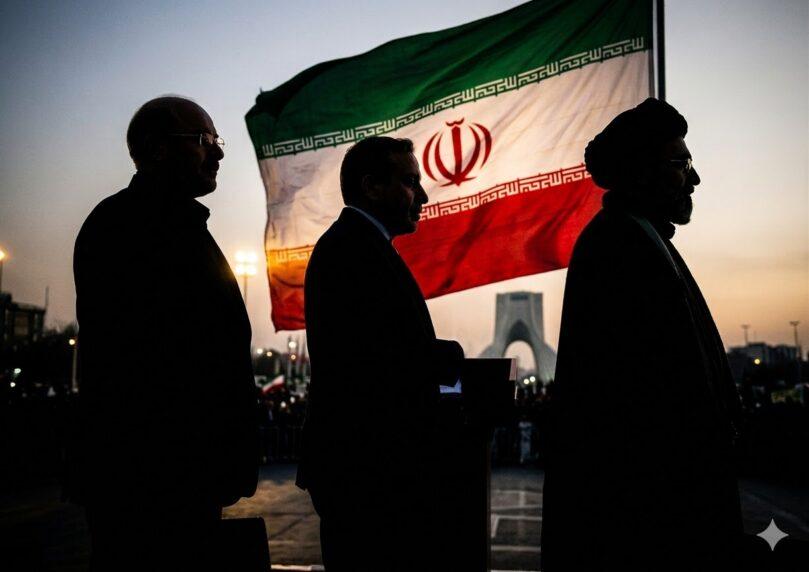

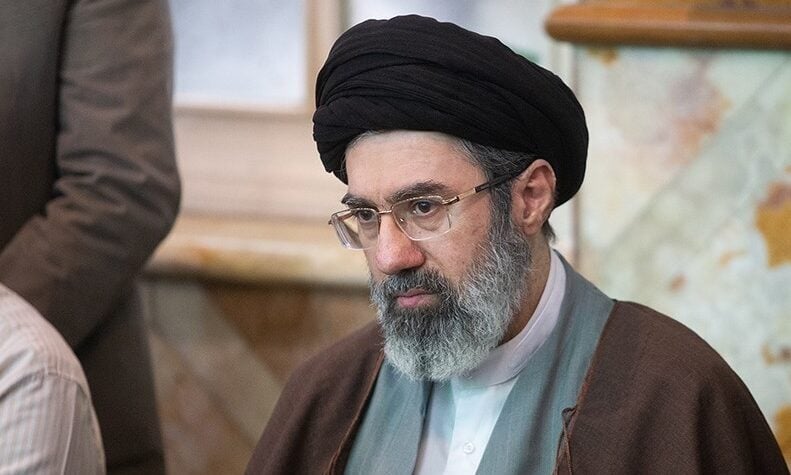
Iran International reported Wednesday that Mojtaba Khamenei has decided not to extend the term of judiciary chief Gholamhossein Mohseni Ejei for a second five-year term. The move breaks a four-decade tradition in which judiciary chiefs typically served two consecutive five-year terms.

 1+
1+According to reports, the decision isn’t driven by judicial reform but is part of a broader reorganization of power centers. Mojtaba Khamenei is working to replace key figures in central government institutions with people personally loyal to him and aligned with his worldview—part of his preparation for absolute control in the post-succession era.
The Criticism: Between “Betrayal” of the Leader’s Line and Failure on the Ground
Recently, Ejei has become a target for criticism from conservative hardline circles. They claimed his vote in favor of a memorandum of understanding with the United States contradicted Mojtaba Khamenei’s official position. Additionally, veiled messages the new leader sent recently, demanding “implementation of previous demands” that weren’t carried out, were interpreted as a sign of dissatisfaction with the judiciary’s performance under Ejei’s leadership.
 1+
1+Ejei tried to stem the tide by sending a flattering letter to the leader pledging absolute obedience, but sources close to the regime point out that media attacks against him—from various factions—only intensified.
Meanwhile, Ejei’s supporters are trying to portray his tenure as successful, emphasizing the use of email technologies, reduction of legal proceedings’ duration, and fighting internal corruption.
A Reality of Repression, Not Reform
While a battle over Ejei’s legacy plays out within the Iranian establishment, activists and human rights organizations present a completely different picture. For them, Ejei is no reformer but a central cog in the Islamic Republic’s well-known repression machine, with a deep background in the security and intelligence apparatus.
According to organizational reports, during Ejei’s tenure the judicial system continued to serve as the executive arm of security agencies, handing down a series of harsh sentences against protesters, journalists, and political activists. Regime critics warn: without deep structural change—including judicial independence, ending forced confessions, and guaranteeing fair trials—replacing one person with another won’t change the face of Iran’s legal and human rights reality.