


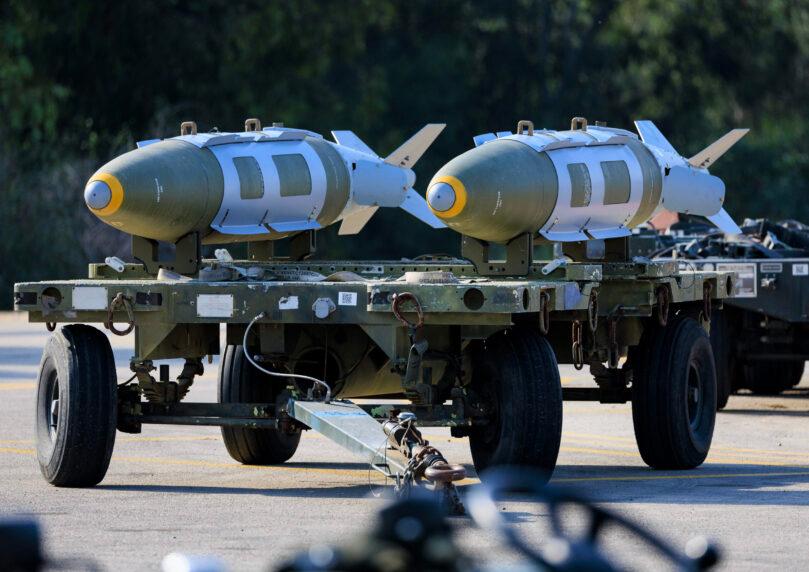

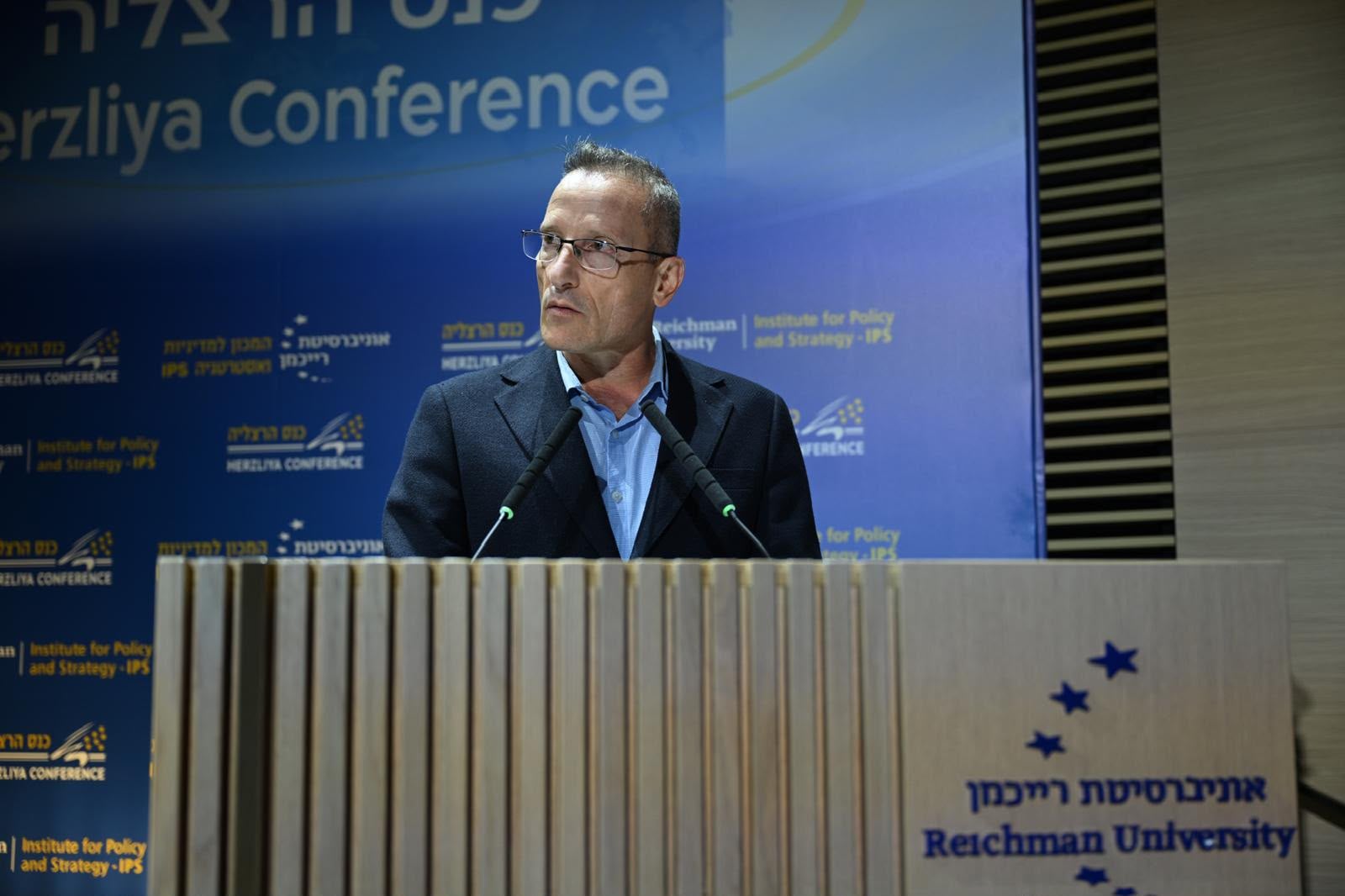
Defense Ministry Director-General Maj. Gen. (res.) Amir Baram delivered a sharp rebuke today (Wednesday) at the 22nd Herzliya Conference at Reichman University’s Institute for Policy and Strategy. In his remarks, Baram issued an extraordinary and severe warning about budget delays that have stalled for months the implementation of the IDF’s force buildup plan for the next decade—a 350 billion shekel program approved by the Prime Minister and Defense Minister. Baram warned that the lag in Israel’s long-term force buildup is extremely dangerous.

 1+
Baram sharply attacked the Budget Department at the Finance Ministry, arguing they treat the wartime reality as a “passing accounting event” and are thereby undermining the government’s ability to implement strategic decisions that have been made. According to him, while Iran is expected to invest enormous sums in building its military capabilities in the second half of 2026—an amount equivalent to Israel’s entire decade-long plan—Israel is forced to contend with obstructive bureaucracy. He warned that continuing this approach will pose an unprecedented risk to the country’s security readiness. “If we continue to act this way, the risk to Israel’s security preparedness will become extremely high,” he said.
Addressing the Iranian threat, the Defense Ministry chief explained that emerging international agreements could funnel hundreds of billions of dollars to Tehran, accelerating its military buildup. He emphasized that facing this danger, Israel must advance a new regional architecture, first and foremost with its strategic ally the United States. Baram noted that the war has sharpened the price of Iranian empowerment and created an identity of interests for forming a broader alliance—from India and the United Arab Emirates to Greece and Cyprus—that would combine Israeli technology with Gulf financial power.
 1+
Baram also addressed American policy under President Donald Trump’s administration, clarifying that it should not be judged with provincial tools but rather as calculated risk management in an era of global attention shifting to the Asia theater and Taiwan. He stressed that the security partnership with Washington rests on cold interests, as a strong and independent Israel stabilizing the Middle East allows the United States to redirect resources to its core challenges. Baram revealed that a new security partnership agreement is currently being formulated that will yield strategic benefits for years to come.
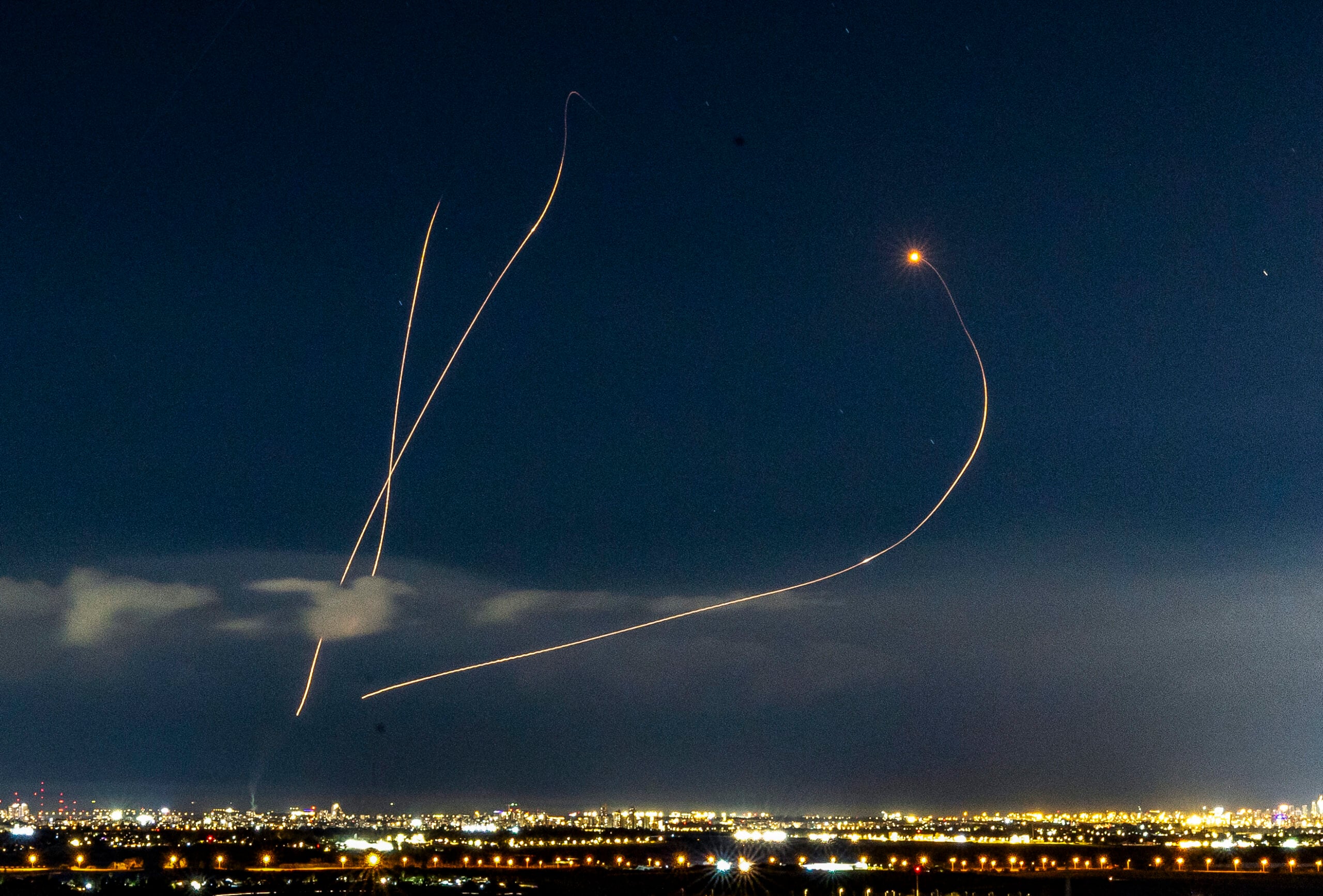
Alongside this, Baram detailed emergency measures the Defense Ministry has taken to accelerate interceptor production, including addressing bottlenecks and critical procurement of raw materials, which have increased stockpiles of Arrow, David’s Sling, and Iron Dome missiles during the fighting. Concluding his remarks, Baram addressed care for the wounded and called for immediate implementation of the Mor Yosef Committee recommendations. He attacked the obstacles the Finance Ministry is placing on this issue and made clear that Israeli society will not accept harm to the rehabilitation of its heroes.