




Defense Minister Israel Katz imposed sanctions today (Wednesday) on 37 cryptocurrency wallets worth 24 million shekels (~$6.6 million) belonging to Iran’s Revolutionary Guards, designed to bypass sanctions on the banking system and the hassle of smuggling cash—all to finance terrorism.


 2+
2+The move came after the National Bureau for Counter Terror Financing (NBCTF) at the Defense Ministry, working with the intelligence community, exposed how the digital currency infrastructure was used by Iran to transfer terror funds to its regional proxies, led by Hezbollah.
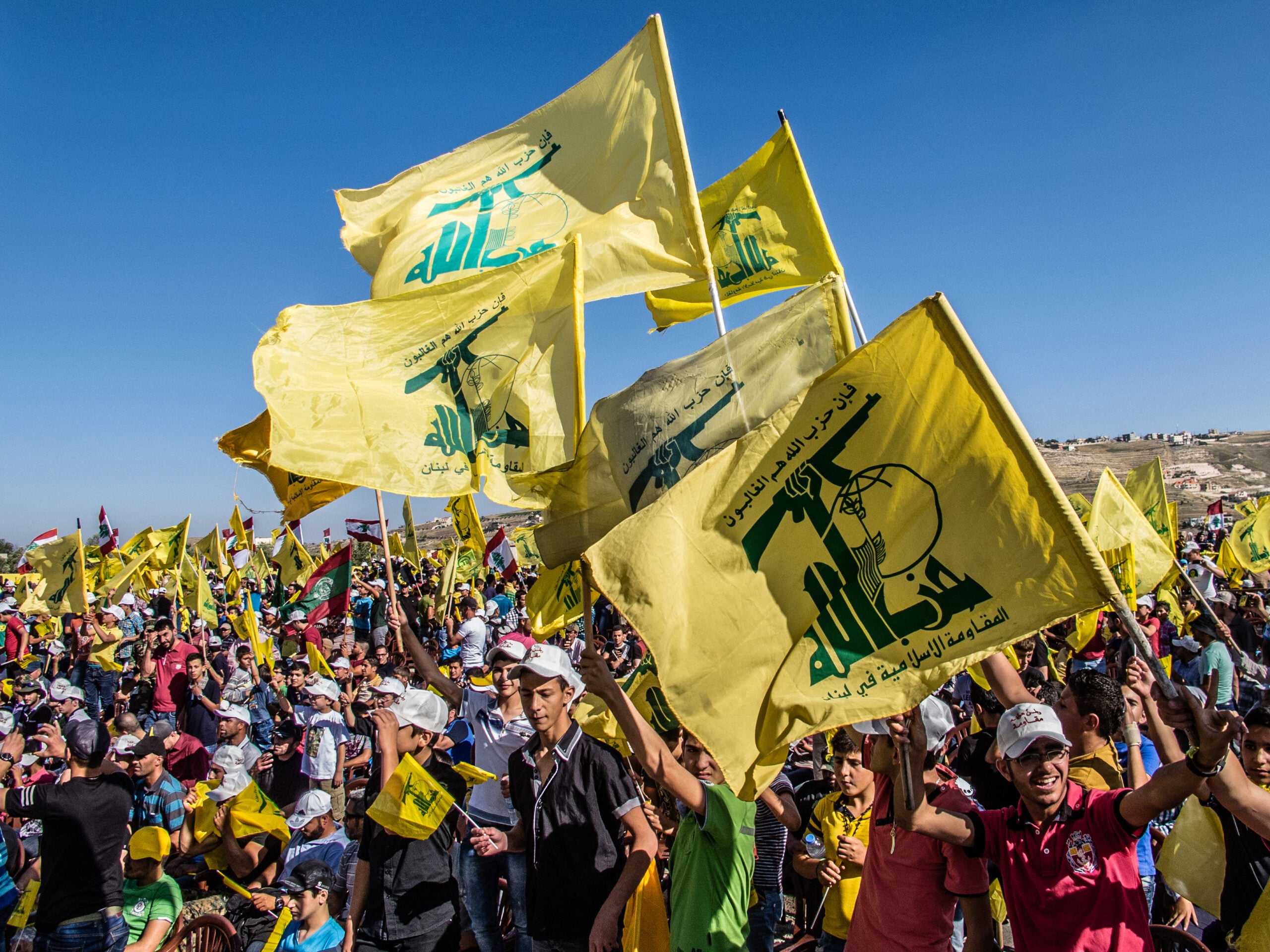
The investigation revealed that over the years, tens of millions of dollars were transferred through this infrastructure to terror organizations. The need for these funding sources has grown among Hezbollah—following the severe blow it suffered during fighting against Israeli forces.
 2+
2+The wallets contained cryptocurrencies worth over 24 million shekels, serving as a central financing axis. Katz made clear that the campaign against Iran isn’t being waged only on the battlefield, but also in the fight over the money that drives terrorism, and that the move represents another layer in striking the financing channels of the Revolutionary Guards, Hamas, the Houthis, and Hezbollah.
 2+
2+“Every dollar denied to the Revolutionary Guards through these means is a dollar that won’t reach Iran’s terror proxies, and Israel will continue to strike these pipelines everywhere and by every means,” he said.
Just yesterday we exposed another Iranian method enabling the flow of billions of dollars by sea—right under America’s nose. According to our Arab affairs correspondent Dror Blazadeh, the Revolutionary Guards have an independent marketing channel in the Strait of Hormuz: a “shadow fleet” of oil tankers rolling deals worth billions of dollars. The Revolutionary Guards don’t sell the oil directly—instead operating through shell companies, intermediaries, and the shadow fleet.