


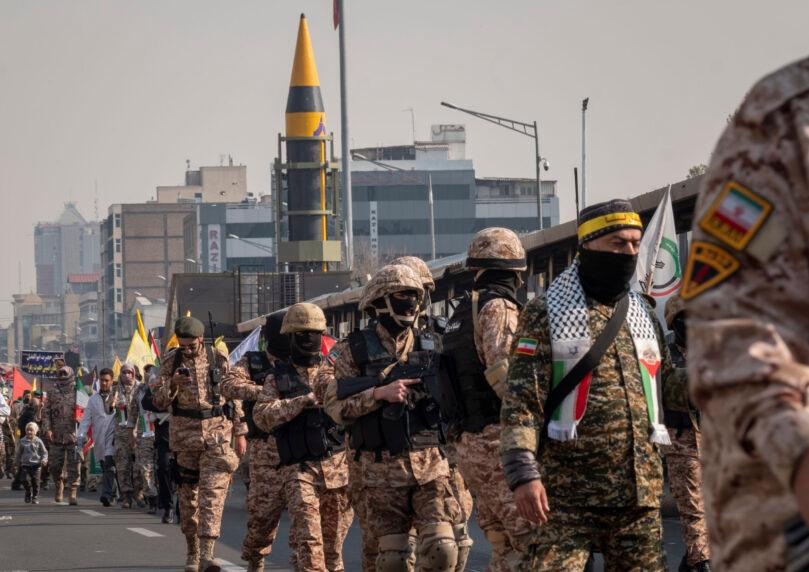

A wave of deadly armed clashes has erupted in recent days across Iran’s western and northwestern border provinces, as armed groups from the Kurdish minority are engaging in direct firefights with Islamic Republic security forces, Arab media outlets reported Tuesday.

 5+
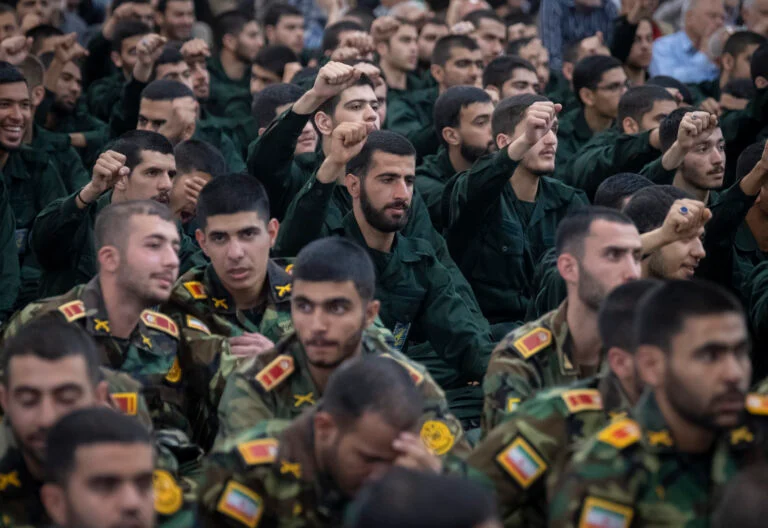
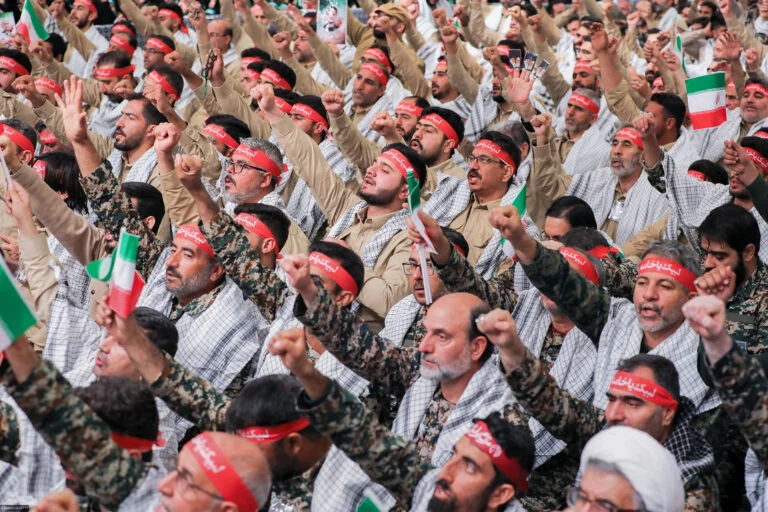
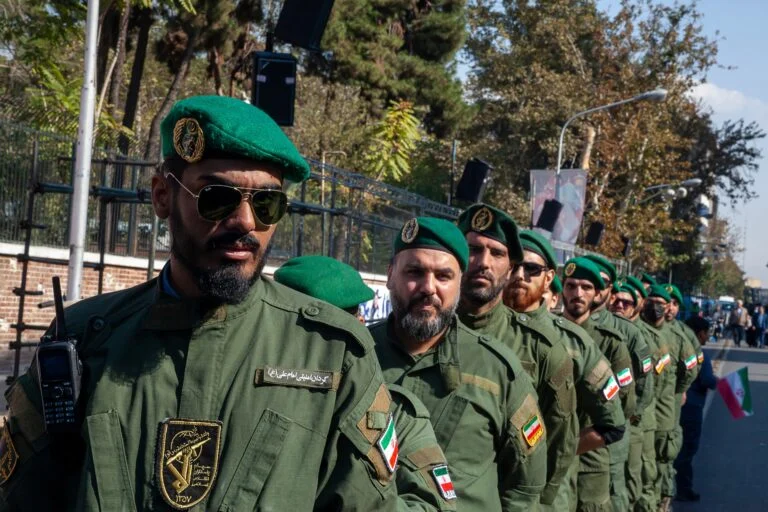
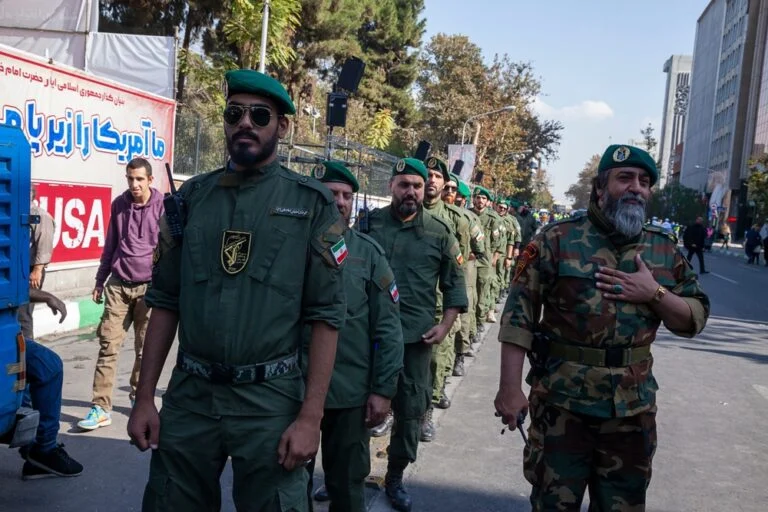
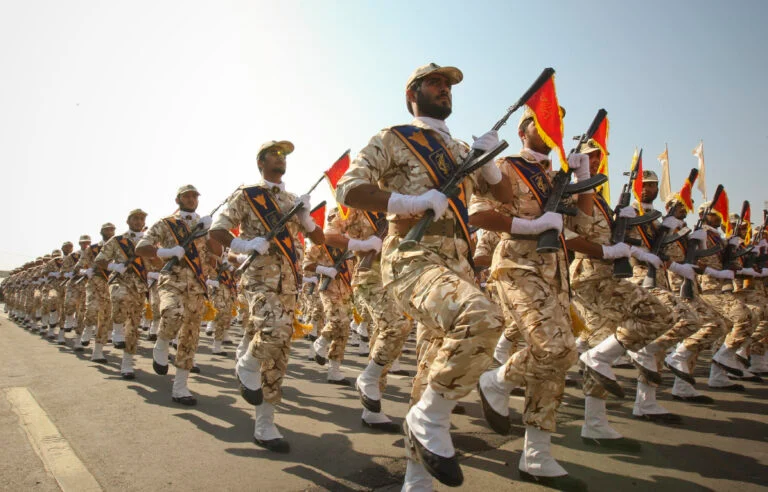
Reports flowing from Iran’s Tasnim news agency and regional media outlets point to a string of casualties among Revolutionary Guards personnel and local police. Tehran is treating the sharp escalation as organized sabotage aimed directly at the country’s internal security—at precisely the regime’s most fortified and sensitive moment in decades.
The current conflict zone has expanded across a vast mountainous area in western Iran, with firefights concentrated in the cities of Baneh, Marivan, Mahabad, and the city of Paveh, which has become the main combat hub.
 5+
The current escalation built through a sequence of bloody incidents within just days. Initially, Tasnim, which is close to the Revolutionary Guards, reported that two Guards members were killed and two others wounded in an armed attack in the border city of Paveh in Kermanshah province. Simultaneously, in the city of Baneh in Iran’s Kurdistan province, gunmen attacked a police checkpoint. Two police officers were killed in that incident and three others wounded, including a three-year-old girl who was at the scene.
According to reports from Rojhelat Info, a news site specializing in coverage of the Kurdish region, the fighting is far from over. The site reported an additional nighttime attack targeting military and security sites of the regime in the Doli Mirawa area of Paveh, in which at least three more government security personnel were killed.
 5+
The key development in the current round of fighting is the identity of the participants. Reports link the attacks to the activity of the “Eastern Kurdistan Defense Units”—the military wing of the “Free Life Party of Kurdistan” (PJAK). This is a radical leftist organization that constitutes the Iranian branch of the Kurdistan Workers’ Party (PKK). The entry of this organization into the battle changes the rules of the game, since until recently it refrained from being drawn into a large-scale direct confrontation with the regime, and Iran for its part avoided attacking its camps.
The current flare-up reflects a particularly complex internal and regional equation, reigniting debates in the West about the potential collapse of the ayatollahs’ regime. PJAK is part of a broad alliance of seven Kurdish-Iranian opposition parties established in late 2015 with the goal of supporting popular protests and toppling the government.
 5+
Despite severe ideological disputes in the past, in recent months the various organizations—including the Democratic Party of Kurdistan and Komala factions—have held an unprecedented series of consultations to coordinate the “next stage” in direct confrontation with Tehran.
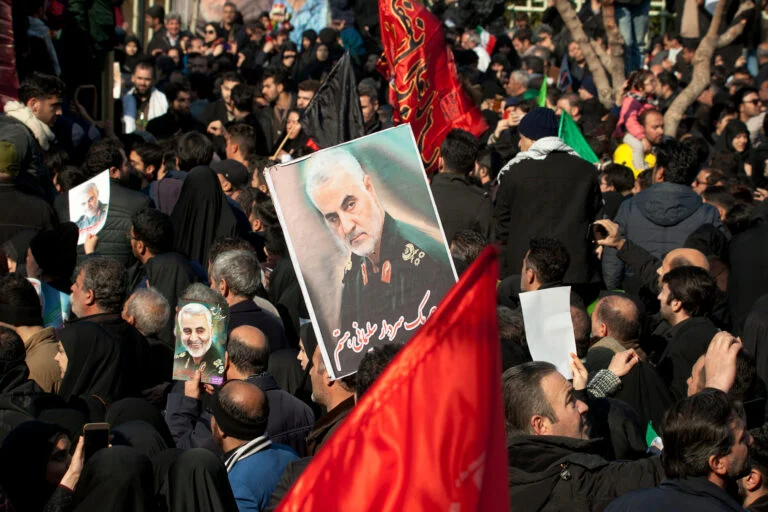
The timing of the outbreak of clashes is not coincidental and carries deep strategic significance: Iran is in the midst of an unprecedented governmental upheaval with the death of Supreme Leader Ali Khamenei and preparations for his massive funeral. This leadership vacuum, combined with economic pressure and indirect contacts with the U.S. in Doha, creates a historic window of opportunity for opposition forces.
 5+
According to reports in the West, the possibility that the United States or Israel will provide covert support to these armed groups to accelerate the undermining of Iran’s internal stability is on the table, even though these organizations showed some hesitation to take such extreme steps just months earlier, in March 2026.
However, the path to toppling the regime through the Kurdish front is fraught with complex internal obstacles: many Iranian minorities and Persian opposition groups strongly oppose the national and separatist aspirations of the Kurds, preventing a united front against Tehran. Additionally, many Kurds themselves serve in the Iranian government’s security forces, so any widespread uprising could deteriorate into an internal civil war within the Kurdish people.
 5+
Moreover, Tehran has previously pressured Iraq to expel these opposition groups, and has even attacked Iraqi Kurdistan more than 850 times since February 2016 to choke off their infrastructure.
The current wave of attacks directly damages the “national resilience” narrative of the Revolutionary Guards regime. If the Kurdish alliance succeeds in expanding the fighting beyond the mountainous regions and connecting with civilian unrest hubs in the central cities, the current security challenge could become a genuine existential threat to the future of the Islamic Republic—precisely in the days when it is trying to shape the face of leadership in the post-Khamenei era.