


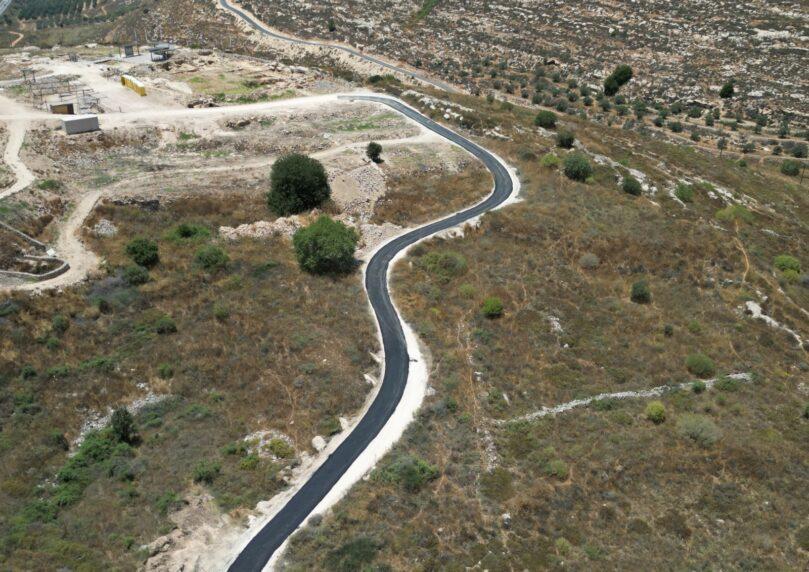

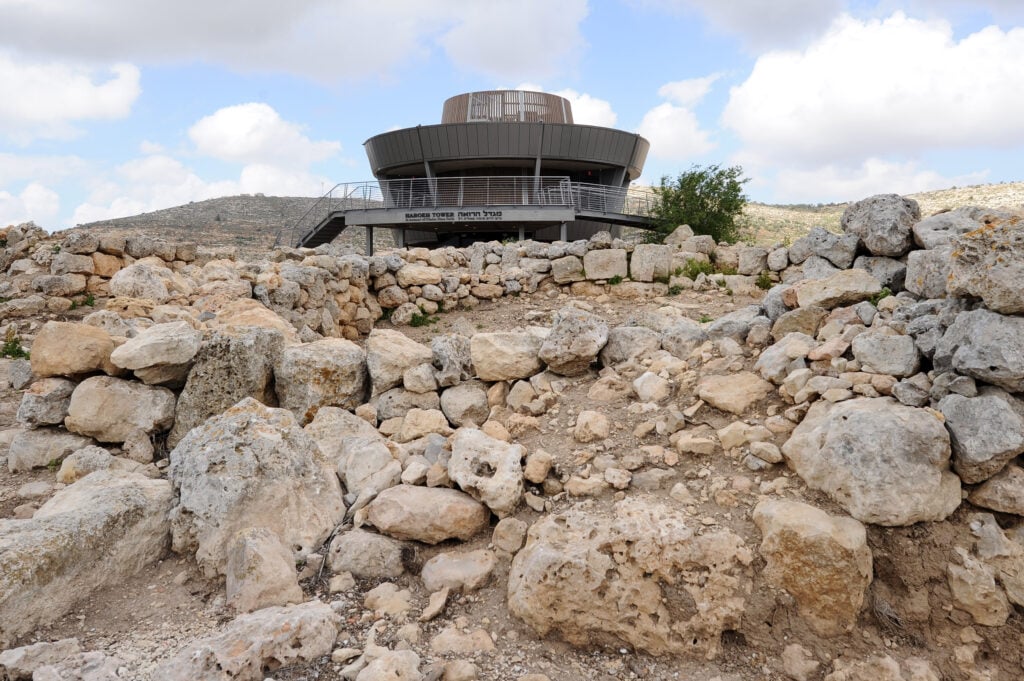
The Shiloh HaKeduma national heritage site in Benjamin completed a major infrastructure project this week: a controlled-access road designed for visitors with severe physical disabilities and mobility challenges. The route, built through a dedicated private donation, will allow advance-coordinated vehicle access directly to the Tabernacle site and observation tower.

 2+
2+The new road was paved to provide focused solutions for visitors with mobility challenges, including disabled individuals and wounded soldiers, who until now couldn’t reach the historic sections of the site due to steep terrain conditions. The infrastructure work is happening alongside construction of a new visitors center and general site upgrades.
The dedicated private donation came after cases accumulated of wheelchair-bound visitors forced to give up on reaching the Tabernacle site. Officials made clear the route won’t be open to free vehicle traffic—it will remain closed and open only by advance coordination for visitors facing severe physical limitations, to preserve the historic site’s existing character.
 2+
2+Sharon Kalif, the site’s deputy director, explained the move was born from real need on the ground: “We saw many visitors with mobility challenges, including wounded soldiers and elderly people in wheelchairs, who arrive at the site but are forced to give up on the climb because of the steep terrain. We fought and raised the dedicated donation to pave this road.”
Benjamin Regional Council head Israel Gantz addressed the project: “Shiloh HaKeduma is a national asset belonging to all the people of Israel. Our aspiration and vision is that every person, regardless of physical limitations, can arrive and connect to our roots here. Breaking through this controlled accessibility route to the Tabernacle site is a necessary and values-driven step that integrates with the facelift we’re leading at the site.”
 2+
2+Kobi Mamo, CEO of Benjamin Tourism, added that the site is in the midst of comprehensive change: “Alongside building the new visitors center and other upgrades, it was clear to us that we couldn’t leave people with disabilities behind. The controlled solution we found allows us to now offer a responsible and focused accessibility solution. Every person who needs this assistance can now arrive in a dignified way right to the Tabernacle site itself.”