




The Israeli government today (Sunday) unanimously approved Foreign Minister Saar’s proposal to recognize the Armenian Genocide. Foreign Minister Gideon Saar at a cabinet meeting: “It’s never too late to do the right thing.” Saar stressed that despite the extensive historical documentation, the Armenian people continue to face an institutionalized campaign of denial and minimization, mainly from Turkey. He said the proposal was intended to establish a clear position and condemn any attempt to distort historical truth, with Israel expected to join the 32 countries that have already officially recognized the genocide.
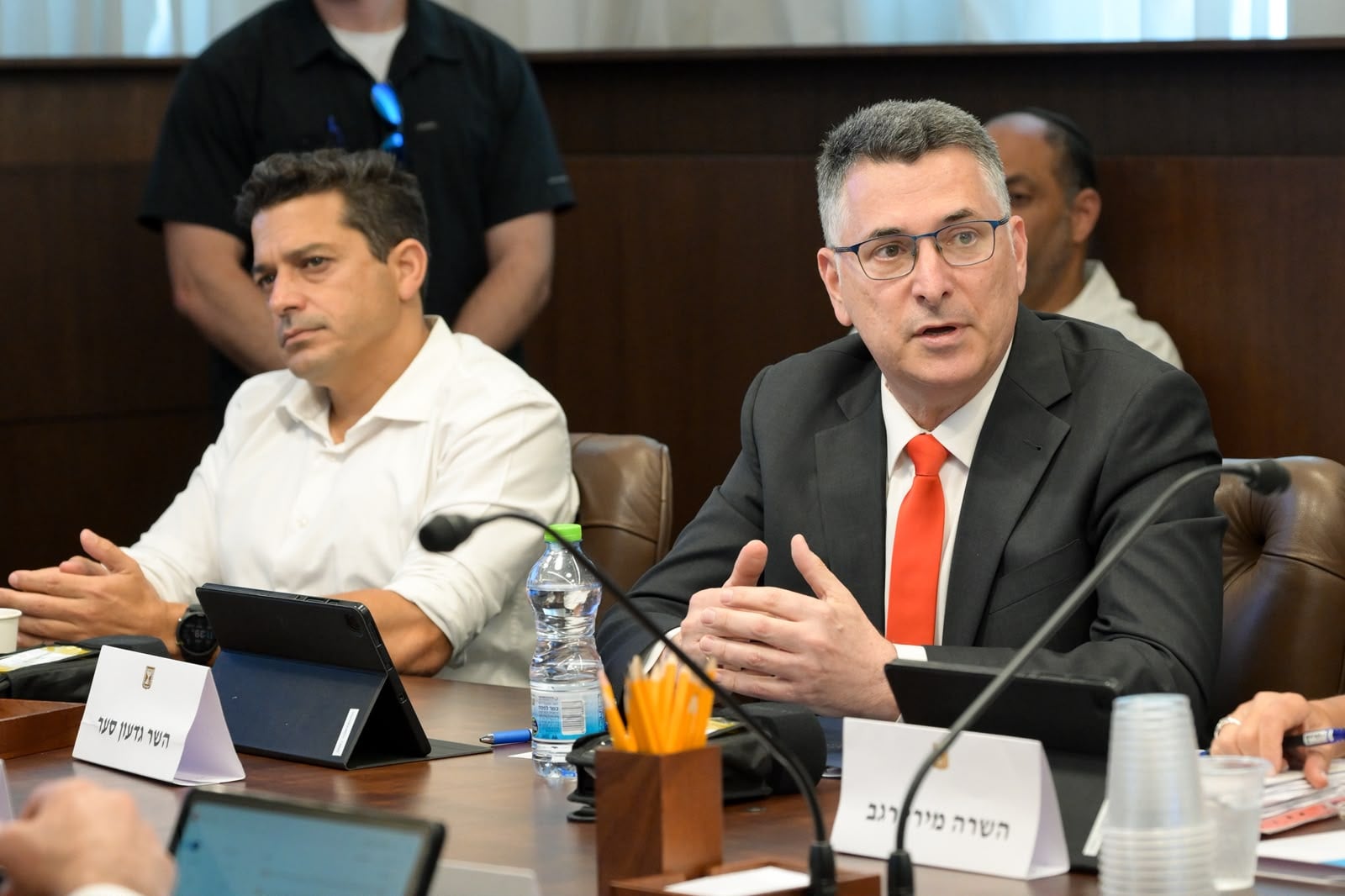 Photo: Maayan Toaf, GPO
About a year ago, Prime Minister Benjamin Netanyahu first addressed the Armenian Genocide in an interview with Patrick Bet-David’s podcast. When asked why he hadn’t acknowledged it before, he replied: “Look, I just recognized it,” adding that the Knesset had already made decisions on the subject.
The move is taking shape against the backdrop of worsening relations between Israel and Turkey. Just two weeks ago, Turkish President Recep Tayyip Erdogan gave a speech in Ankara in which he declared that “the security of Damascus and Beirut is Turkey’s security,” adding that “we will not allow Israel to realize the ‘Promised Land’ plan.” Prime Minister Netanyahu reacted sharply to the remarks, saying that “Erdogan, who supports Hamas and acts against his own people, is the last one who can preach a moral message to Israel,” and made it clear that the IDF will continue to act against Iran and its proxies.
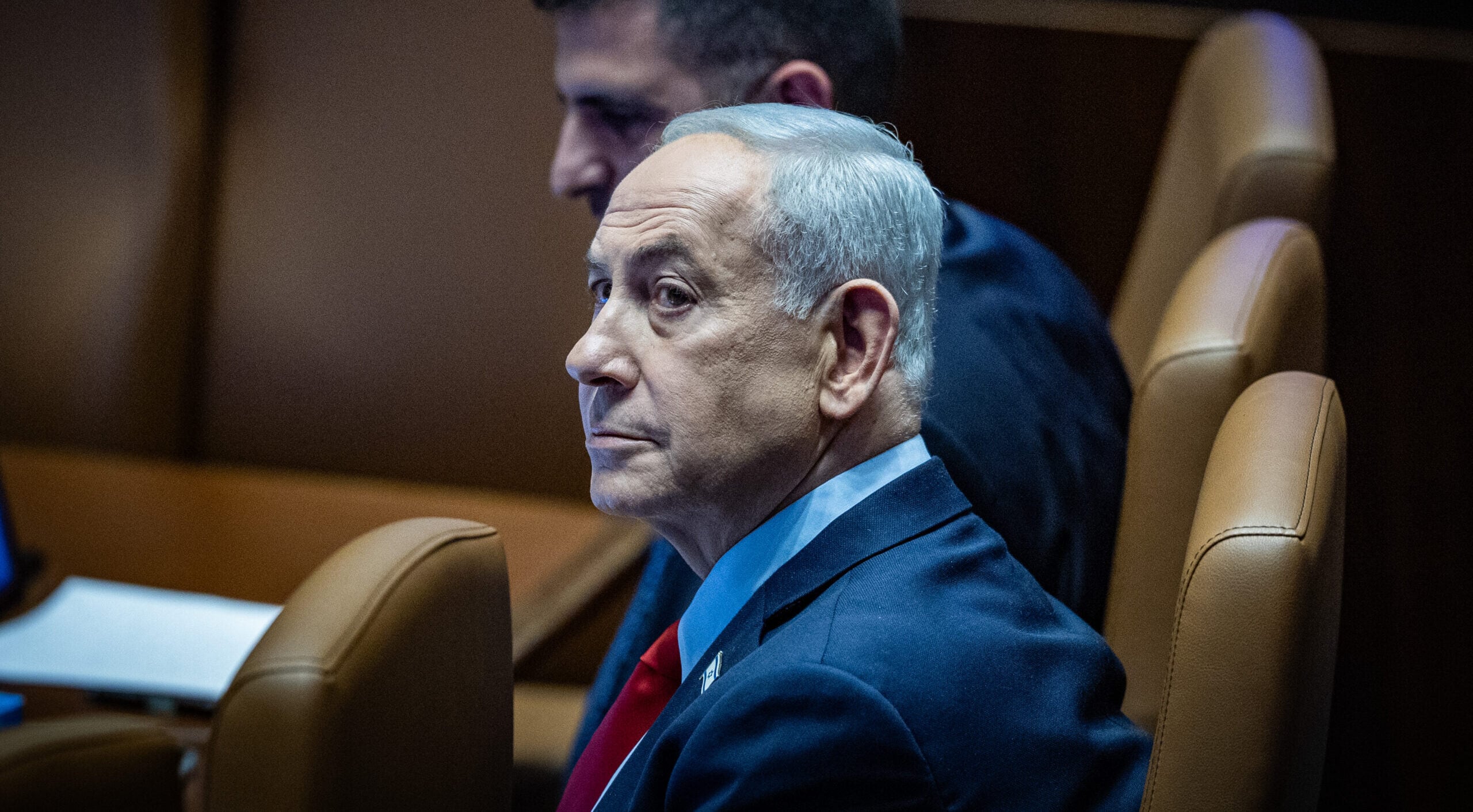 Photo: Jonathan Zindel, Flash 90
Meanwhile, US President Donald Trump revealed that Erdogan refrained from joining the conflict with Iran following a personal request on his part. Despite his “critical attitude towards Israel,” Trump said: “I love him. He could have been on Iran’s side, I asked him to stay out.”
 Photo: White House
As mentioned, the Armenian Genocide began in April 1915 by the Ottoman-Turkish government, with the arrest, deportation, and execution of hundreds of Armenian intellectuals, leaders, and clergy in Constantinople. After eliminating the community’s leadership, the Ottoman government turned to the systematic extermination of the population. Men were conscripted into forced labor battalions and systematically murdered. Women, children, and the elderly were driven from their homes and sent on long death marches into the Syrian desert, during which they were exposed to mass murder, rape, intentional starvation, and thirst, which led to the deaths of approximately 1.5 million people and the destruction of a centuries-old cultural and historical heritage in the Anatolian region.