


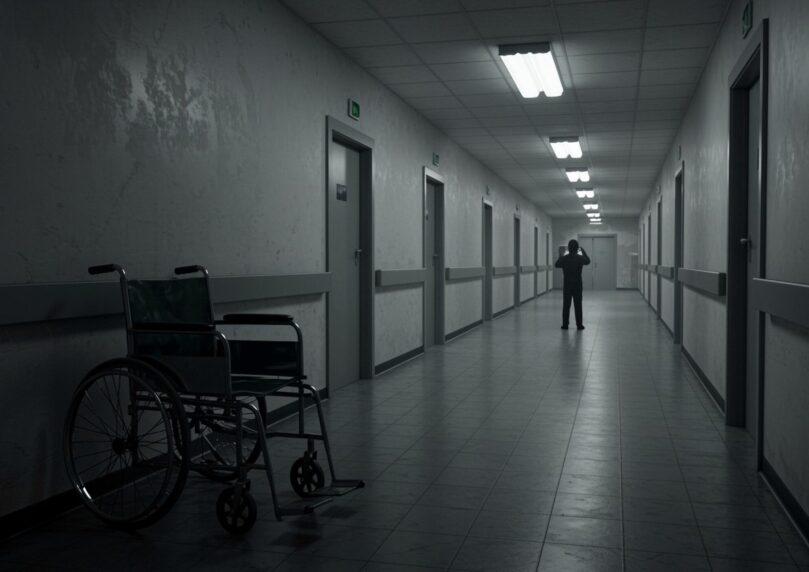

A new investigation by Iran International reveals how Gharazi Hospital in Isfahan became a hub for regime security forces during the crackdown on protests and massacre of civilian demonstrators between January 8-10.


 2+
According to testimonies, the medical facility was placed under tight surveillance by security officials who prevented medical treatment, concealed bodies, and erased official records of patients to hide the scale of the killings.
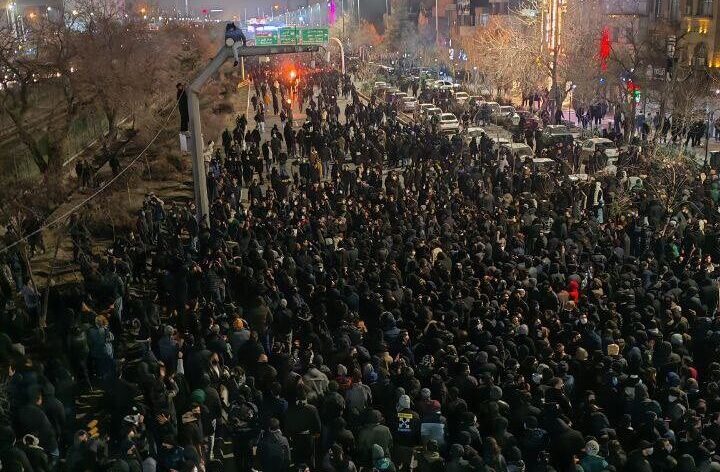
Medical staff testified that during the days of civilians protesting for their freedom, dozens of wounded were brought to the hospital, but their names were deleted from the electronic registration system shortly after admission. One employee estimated that at least 140 bodies were connected to the hospital during those days—a number that may actually be significantly higher.
 2+
Horrors in the Morgue and Abuse of Families
Medical sources described harrowing scenes in the hospital’s morgue, which reached full capacity within hours. Bodies were piled on top of each other, and in one chilling case, a staff member reported hearing screams from inside a body bag in the morgue—indicating that wounded people were transferred there while still alive, without receiving aid.
Family members of the dead said they were forced to pay enormous sums of five to ten billion rials (approximately $3,500 to $7,000 at the time) to receive the bodies of their loved ones. This directly contradicted a January 12 statement by Iran’s Legal Medicine Organization, which said bodies would be released and the wounded treated free of charge.
 2+
Persecution After Treatment
The case of Farid Seifi, who was shot in the heart by security forces and died at the hospital, illustrates the pattern: his body was held by security officials and released for burial only after heavy payment and the imposition of severe security restrictions. Meanwhile, an 18-year-old named Mahdi, who was shot in the leg, said a legal case was opened against him at the hospital, leading to threatening visits to his home.
Fear of arrest, torture, or death at hospitals caused many wounded protesters to avoid going to medical centers, choosing instead to receive treatment in homes and private garages with help from local residents. The Iran International investigation emphasized that Gharazi Hospital served not only as a site for denying treatment, but as a tool for intimidating families and erasing evidence of the massacre.