


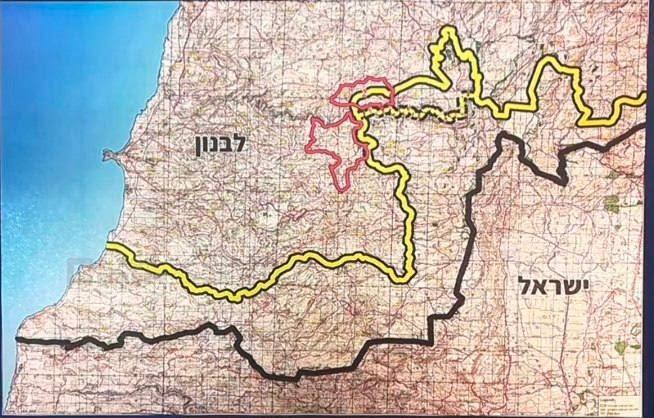

The agreement signed late Friday between Israel and Lebanon, brokered by the United States, has ignited a fierce political battle over its security implications. While Prime Minister Benjamin Netanyahu and government ministers present the understandings as a strategic achievement that will preserve the IDF’s freedom of action in southern Lebanon, opposition leaders warn that without disarming Hezbollah, the threat to northern communities will remain.

 2+
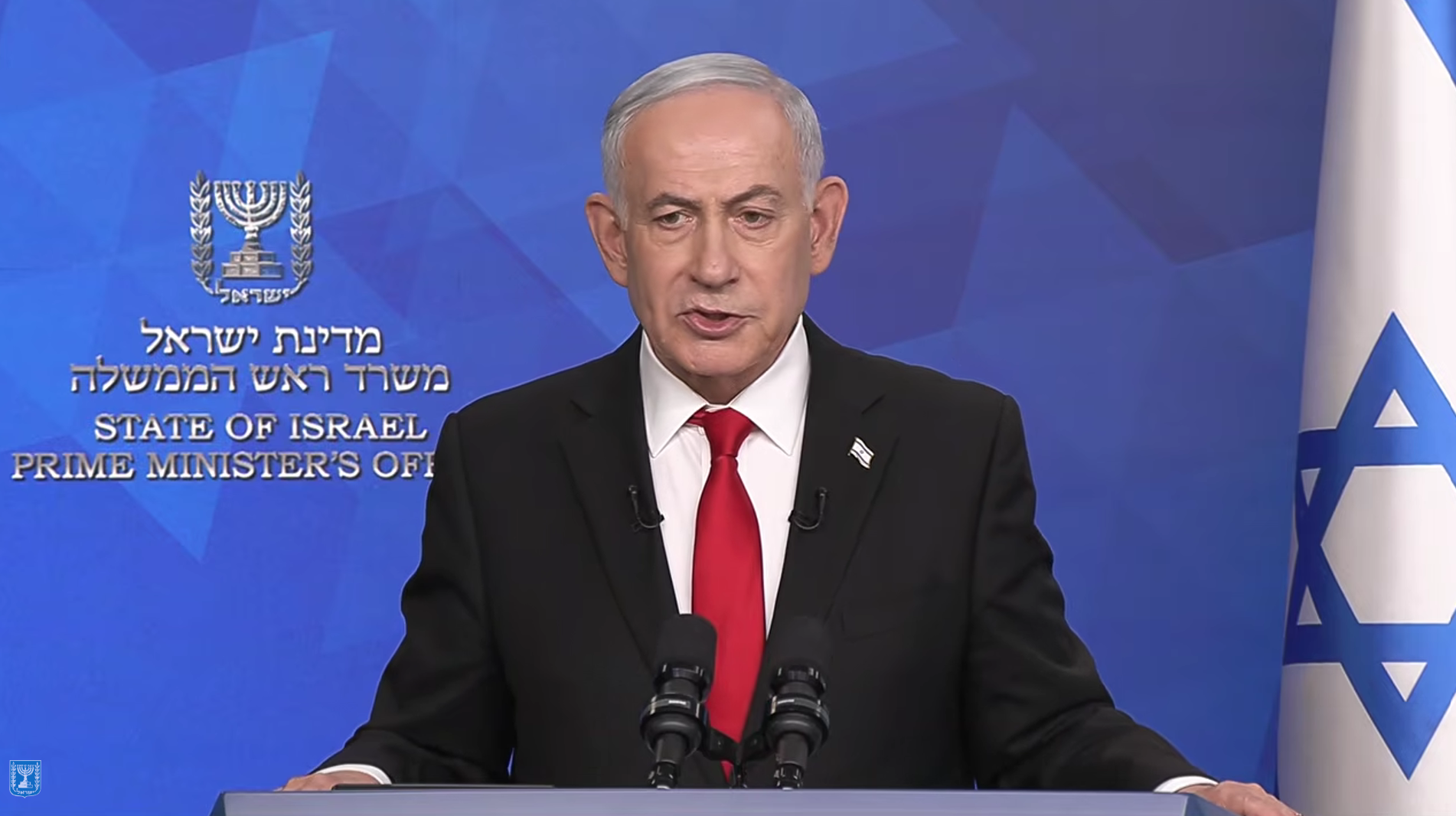
2+Prime Minister Benjamin Netanyahu presented the deal as a significant security achievement, emphasizing that “Israel remains in the security zone in southern Lebanon.” According to him, the IDF will continue to hold the territory “as long as Hezbollah has not been disarmed, as long as there is a danger to the State of Israel.” He added that the agreement deals “a major blow to Iran” because it makes clear that Tehran and Hezbollah “have no role whatsoever in Lebanon.” Netanyahu said the Lebanese army will gradually begin taking responsibility in pilot areas, based on IDF recommendations, while maintaining the security zone and preventing Hezbollah’s entry into it.
 2+
2+Finance Minister Bezalel Smotrich presented the agreement as part of a shift in Israel’s security doctrine since the war began. According to him, the IDF controls a security zone in Lebanon, continues to destroy terror infrastructure, and Hezbollah “has been severely hit.” Smotrich emphasized that there is, in his words, an international commitment to eliminate the organization, alongside legitimacy for Israel’s continued freedom of action and to remain in the security zone until the threat is removed.
Former Prime Minister Naftali Bennett, however, argued that the test of the agreement isn’t the declarations but the reality on the ground. “It won’t be determined by bombastic speeches but by whether Kiryat Shmona is rebuilt before Hezbollah, and whether mothers in Metula, Kiryat Shmona and Shlomi will raise their children in security without fear of Hezbollah’s regrowth,” he said.
 2+
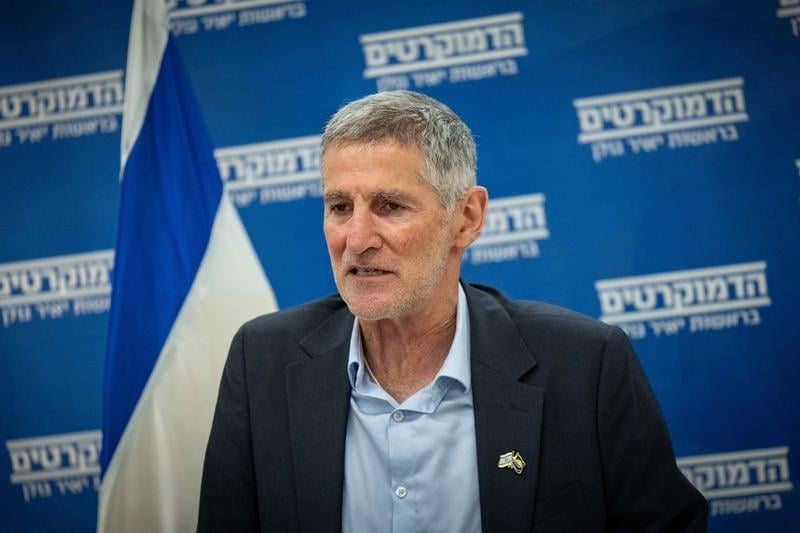
2+The Democrats party chairman Yair Golan also leveled sharp criticism at the agreement, arguing that “a terror organization doesn’t disarm just because it’s written on paper.” According to him, security in the north will only be achieved through clear operational objectives—pushing Hezbollah south of the Litani River, preventing the presence of long-range weapons south of the Awali, and establishing an international force with effective enforcement powers that will operate alongside the Lebanese government and army.
Yisrael Beiteinu chairman Avigdor Lieberman welcomed the very fact that a meeting and signing took place between official representatives of Israel and Lebanon, but warned that as long as Hezbollah continues to exist and rearm, “the next confrontation is only a matter of time.” According to him, the only path to long-term stability is achieving full sovereignty by the Lebanese government over all its territory through the elimination of Hezbollah.