



Israel’s political arena continues to heat up ahead of the next elections, with Channel 14 set to release a new and intriguing poll tonight. In a special interview on the morning news program hosted by Tal Meir, political analyst Shlomo Filber analyzed the latest trends behind the scenes in both blocs, explaining why the dramatic upheavals in the United States and tensions with the American administration are actually strengthening Prime Minister Benjamin Netanyahu, and how Naftali Bennett’s move is causing voters to flee from him.


 3+
At the outset, host Tal Meir addressed the growing tensions between National Security Minister Itamar Ben-Gvir and Finance Minister Bezalel Smotrich, and the threats to run separately. Filber calmed the waters and clarified that this is only a temporary tactic. “This will change in the end, because like last time—the one who will knock their heads together will be Netanyahu,” Filber said.
According to him, Netanyahu is the one managing and organizing the bloc, and since he has enormous influence over the voter base of both parties, he won’t allow them to endanger right-wing rule. Filber also dismissed Ben-Gvir’s claims that the split prevents vote leakage: “To the right of Ben-Gvir there’s only a wall. Votes that leave him will at most go to Smotrich or Likud. None of them cross south to the opposition. The game is intra-bloc.”
 3+
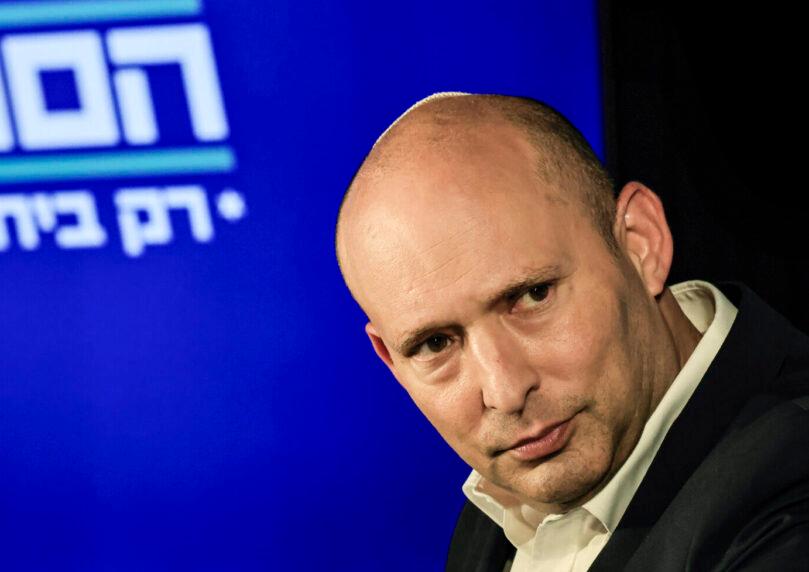
Later in the interview, the two moved to analyze what’s happening in the left-center bloc, particularly the conduct of former Prime Minister Naftali Bennett. Filber defined Bennett’s conduct as “the nervousness characteristic of him in pressure situations” and claimed he acted out of rashness and lack of long-term strategy.
 3+
“It all starts with a big mistake he made in mid-2024,” Filber explained. “He believed the opposition’s stories that the government was going to fall, feared he’d miss the train, and jumped into the water too early. Maintaining momentum for a year and a half is very difficult.” Filber added that since Bennett failed to deliver on his two core promises—bringing votes from the right and defeating Netanyahu without Arab support—his voter base is now abandoning him in favor of Gadi Eisenkot, who is perceived as a more natural choice.
Filber also refuted the pollsters’ thesis showing direct vote leakage from Likud to Eisenkot: “You can’t count those votes twice. These are the same three mandates that left Likud at the start of the protests in 2023, moved to Gantz, from there to Bennett, and today they’re simply migrating to Eisenkot. It’s an internal game within the opposition.”
 3+
At the end of the conversation, ahead of the full poll’s publication in the main newscast, Filber estimated that the general trend is working in Netanyahu’s favor, similar to findings that recently emerged on competing channels. According to him, the Israeli public wants the activist and aggressive security policy the government is leading, especially against the backdrop of the political upheaval in the United States and Donald Trump’s return to the White House.
Netanyahu’s firm stance against international pressures and refusal to withdraw from Lebanon without achieving the war’s objectives are interpreted by most of the public as the correct leadership position—something expected to show up in the official mandate numbers as well.