


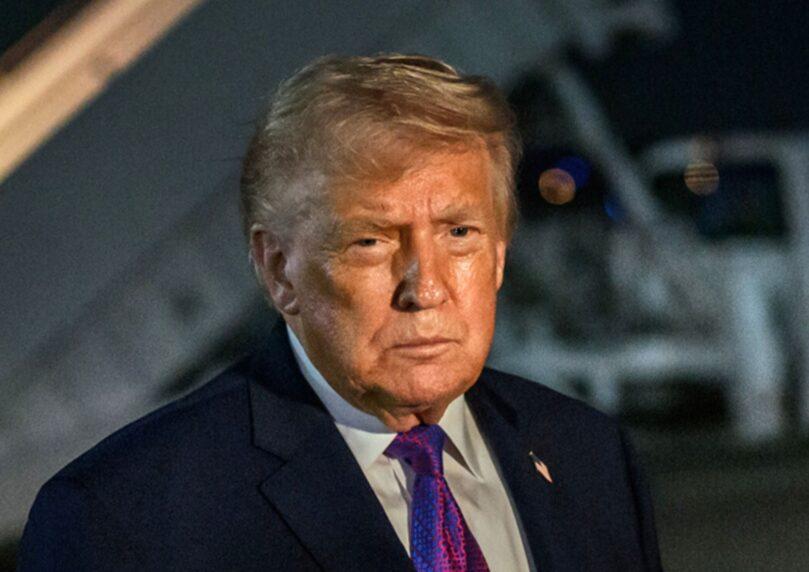

Roi Kahanovich, an Iran researcher and expert at the Institute for Policy and Strategy, said today (Wednesday) in an interview with Sara Beck that Trump is trying to present the passage of ships through the Strait of Hormuz as an achievement, but noted there was never a full naval blockade to begin with. He stressed that the very fact America is focused on the strait gives Tehran significant leverage.

 2+
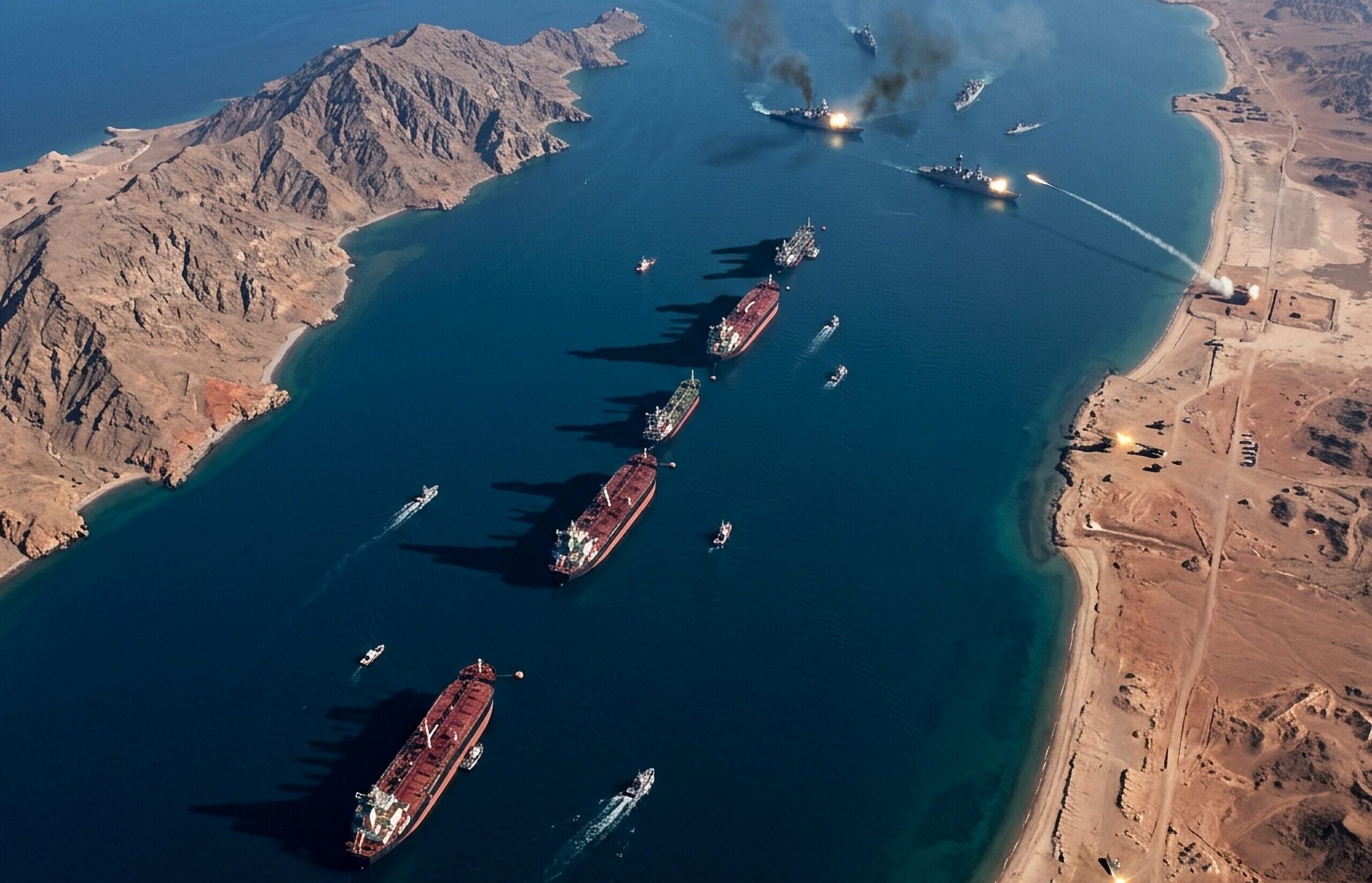
2+“This strait is a major economic artery,” Kahanovich said, noting that “20% of the world’s oil passes through this strait, with particular emphasis on Asia.” Trump is trying to paint the opening of the strait as a win, partly due to political and economic pressure at home, but in reality the Iranians are the ones who succeeded in turning Hormuz into an international pressure card.
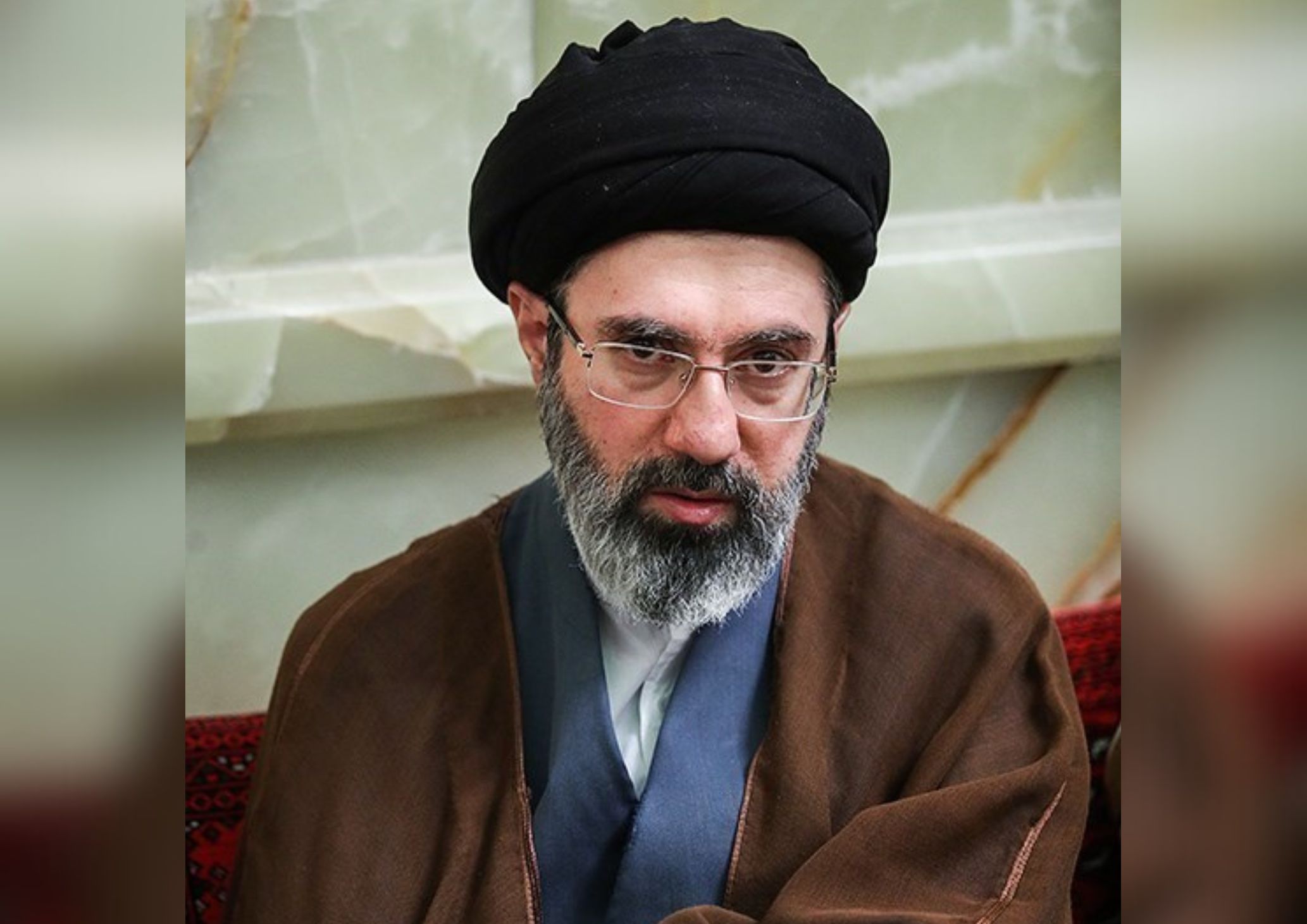
Kahanovich also addressed the regional impact of recent developments, noting that declarations are already being heard in Tehran from senior officials, including parliament speaker Mohammad Bagher Ghalibaf, that Iran sees itself as a leading force in the region. “Iran is coming out of this stronger,” he said, adding that the Iranians “see themselves as a kind of hegemon in the Middle East region, with particular emphasis on the Gulf.”
 2+
2+Kahanovich estimated that Iran’s strengthening won’t remain only in the diplomatic or economic arena, but will also be expressed through the activation of its proxy forces in the region. He warned that Tehran will continue trying to pressure Israel through its direct borders, in the Gaza Strip and in Lebanon, while continuing ideological and financial support for Hamas and Hezbollah.
As for funds that may be released to Iran as part of understandings, Kahanovich cast doubt that they would be directed primarily toward civilian reconstruction, estimating that a significant portion could go to the regime’s strategic programs: “Rehabilitating the nuclear program, missiles, ballistics, knowledge related to space,” alongside additional systems serving the Revolutionary Guards.
 2+
2+Kahanovich explained why reopening a shipping route in the Strait of Hormuz is a particularly complex move. He said it’s an extremely narrow strait, ranging in width from about 55 kilometers (34 miles) to just 33 kilometers (20 miles), with the main shipping lanes for oil tankers relatively close to the Iranian coast. If the Iranians lay naval mines there, clearing them could take a long time and require the involvement of naval forces from additional countries: “These are mines that can definitely do very serious damage to a large portion of the oil tankers there.”
We make a great effort to locate the copyright holders of the photographs. The use of works for which the copyright holders are unknown or have not been located is done in accordance with Section 27A of the “Copyright Law”. If you have identified a photograph and you are the copyright holder, please contact [email protected]