


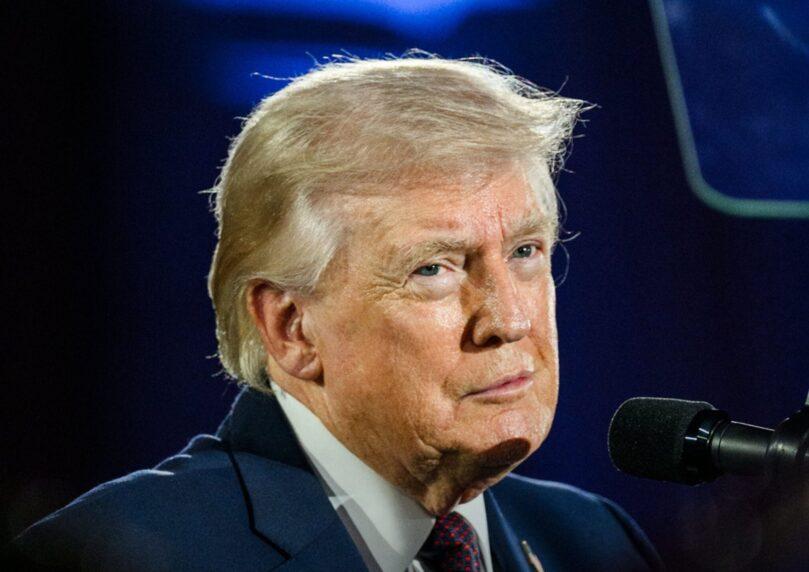

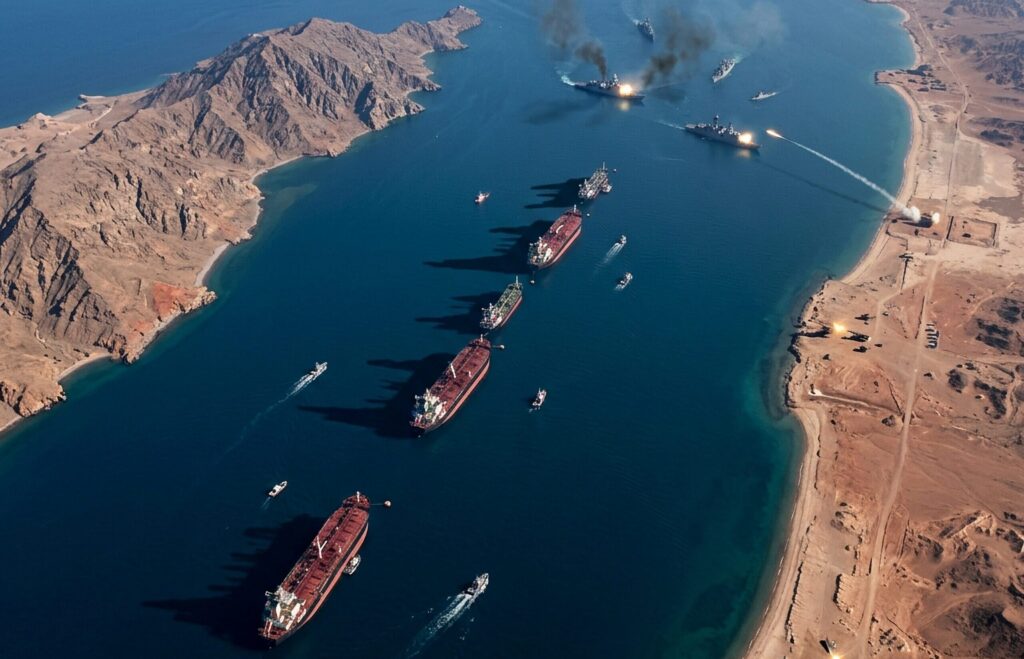
United States President Donald Trump referred a short time ago (Wednesday) on his social media network to the claims surrounding Iran’s conduct in the Strait of Hormuz, asserting that Tehran had conveyed an official message to Washington stating it does not collect transit fees, insurance payments, or any other charges from vessels passing through the strait.

 2+
2+Trump attacked contradicting reports, calling them “fake news,” while emphasizing that if it turns out the information provided by Iran is incorrect, the United States will halt negotiations immediately.
Furthermore, Trump clarified that the United States has not transferred funds to Iran and has not released previously frozen money into the hands of the regime. However, he noted that a portion of the Iranian funds under American control will be used to purchase food and agricultural produce for the population in Iran—including corn, wheat, and soybeans—with the purchases being made exclusively from American suppliers.
 2+
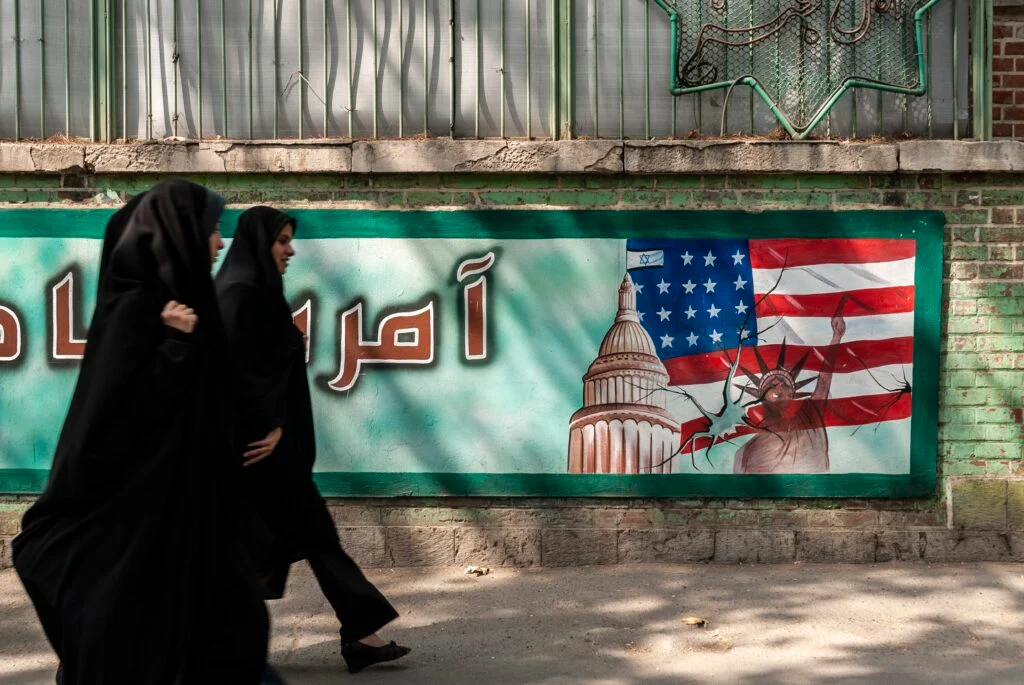
2+These statements by President Trump regarding the money to be channeled toward aid for the Iranian population sparked a wave of angry responses in the country; it appears that Iran is not buying this narrative. Citizens clarified to the “Iran International” network that the attempt to reduce their distress to a “hunger problem” is fundamentally flawed.
“Everything is available here. Government policy is what made food unattainable. Shipping grain will not solve our problems,” one citizen said. According to him, a decade of mismanagement and corruption is what has caused the economic deterioration.
 2+
2+A large portion of the respondents expressed skepticism regarding the ability of any economic aid to reach the hands of the average citizen. Many argue that the regime in Tehran consistently prioritizes its regional strategy over the welfare of its citizens.