


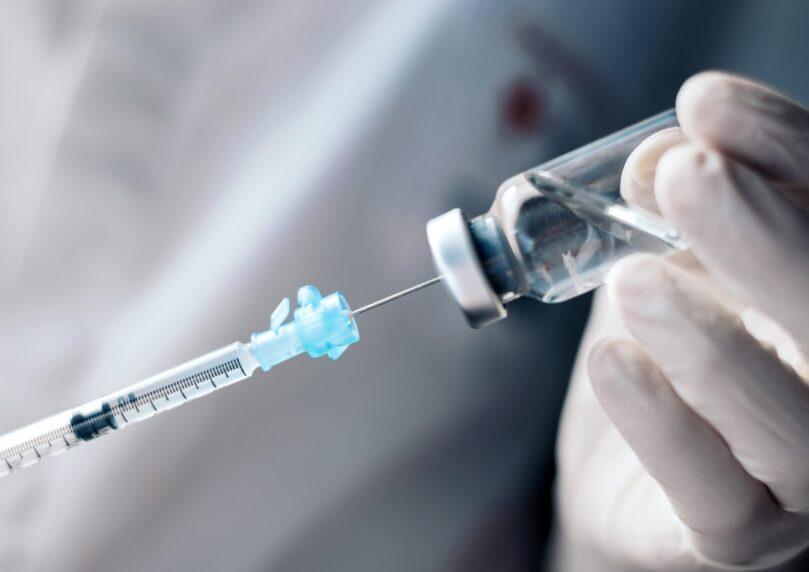

The annual conference of the Israeli Society for Pediatrics in the Community, part of the Israeli Pediatric Association, took place on Wednesday, with more than 300 doctors from across the country in attendance, including residents, specialists, and veteran pediatricians from community clinics and hospitals. One of the key issues discussed at the conference was the decline in childhood vaccination rates and the challenges facing the public health system.


 4+
Prof. Sigal Sadetzki, appointed to head the Public Health Division at the Health Ministry, delivered one of the most significant statements at the conference. Sadetzki warned that the rate of vaccine refusal in Israel has climbed from 5% a decade ago to 12% today. “This issue deeply concerns us,” she said. “The reasons are varied and go beyond ideological opposition to vaccines. Those groups aren’t the whole story. A significant part of the problem is related to logistical barriers in the health system.”
 4+
According to Sadetzki, staff shortages, team burnout, limited accessibility, and low availability of well-baby clinics directly impact vaccination rates. “If in a city like Bnei Brak there aren’t enough appointments at the well-baby clinics and working mothers struggle to come during operating hours—that can lead to delays in childhood vaccinations,” she explained.
Erosion of Trust Since COVID-19
Sadetzki also addressed the impact of the COVID-19 pandemic on the public health system, noting that the erosion of public trust in health institutions is another factor contributing to declining vaccine compliance. However, she emphasized that in recent years there has been some increase in vaccine coverage following actions taken by the Health Ministry to make services more accessible to the public. “We’re seeing an increase in vaccine coverage, and that’s good news,” she said. “We’ve managed to reach many populations simply by making the service more accessible. When you open more clinics, extend operating hours, and make it easier to get there, the public comes.”
 4+
According to Sadetzki, the Health Ministry has begun operating a new computerized system designed to identify, in real time, children who are behind on their vaccination schedules and to intervene in a targeted manner. “The system allows us to work with precision—from SMS messages to parents to proactive outreach by representatives when necessary,” she explained.
Change to Vaccination Schedule: MMRV Vaccine to Be Moved Up
During the conference, Sadetzki announced another significant change to the national immunization program. Starting July 1, 2026, administration of the MMRV vaccine, which protects against measles, mumps, rubella, and chickenpox, will be moved up to 18 months of age instead of the dose previously given in first grade.
According to Sadetzki, the decision was made after comprehensive professional staff work. Before the decision was reached, a dedicated steering committee was established that thoroughly examined epidemiological data, accumulated experience in Israel and worldwide, and the impact of the change on vaccine coverage, ultimately recommending moving up the vaccination age.
 4+
The move comes against the backdrop of measles outbreaks recorded in Israel in 2018–2019 as well as in recent years, and the understanding that earlier protection may reduce the risk of infection among toddlers and young children.
Collaboration Between Hospitals and Community Medicine
This year’s conference emphasized collaboration between community pediatrics and consulting and hospital medicine. A dedicated session included the chairs of professional societies for pediatric hematology, child development, pediatric endocrinology, pediatric rheumatology, and the Israeli Society for Prevention of Overdiagnosis and Overtreatment. Dr. Doron Dushnitzky, chairman of the Israeli Society for Pediatrics in the Community and member of the board of the Israeli Pediatric Association, said that feedback received from participants shows that the content presented at the conference is tailored to the current needs of community pediatrics.
 4+
According to Dushnitzky, “Cooperation between hospitals, community physicians, public health offices, well-baby clinics, and health funds is key to addressing the challenges facing pediatric medicine in Israel today.”