


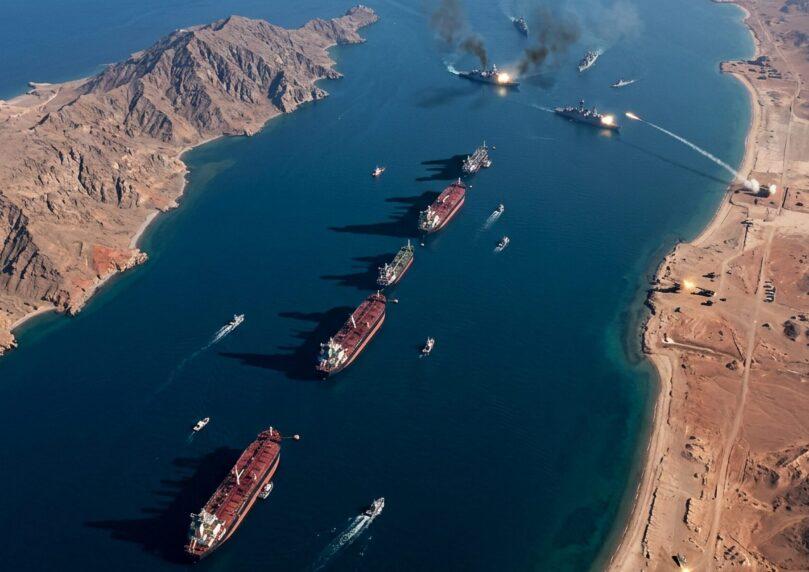

The prolonged blockade of the Strait of Hormuz forced hundreds of oil tankers to anchor for months in Persian Gulf waters. Now, with the blockade lifted and American sanctions suspended under the 60-day agreement between the U.S. and Iran, the path to resuming global energy supplies seemed clear—but an unexpected obstacle has emerged.

 2+
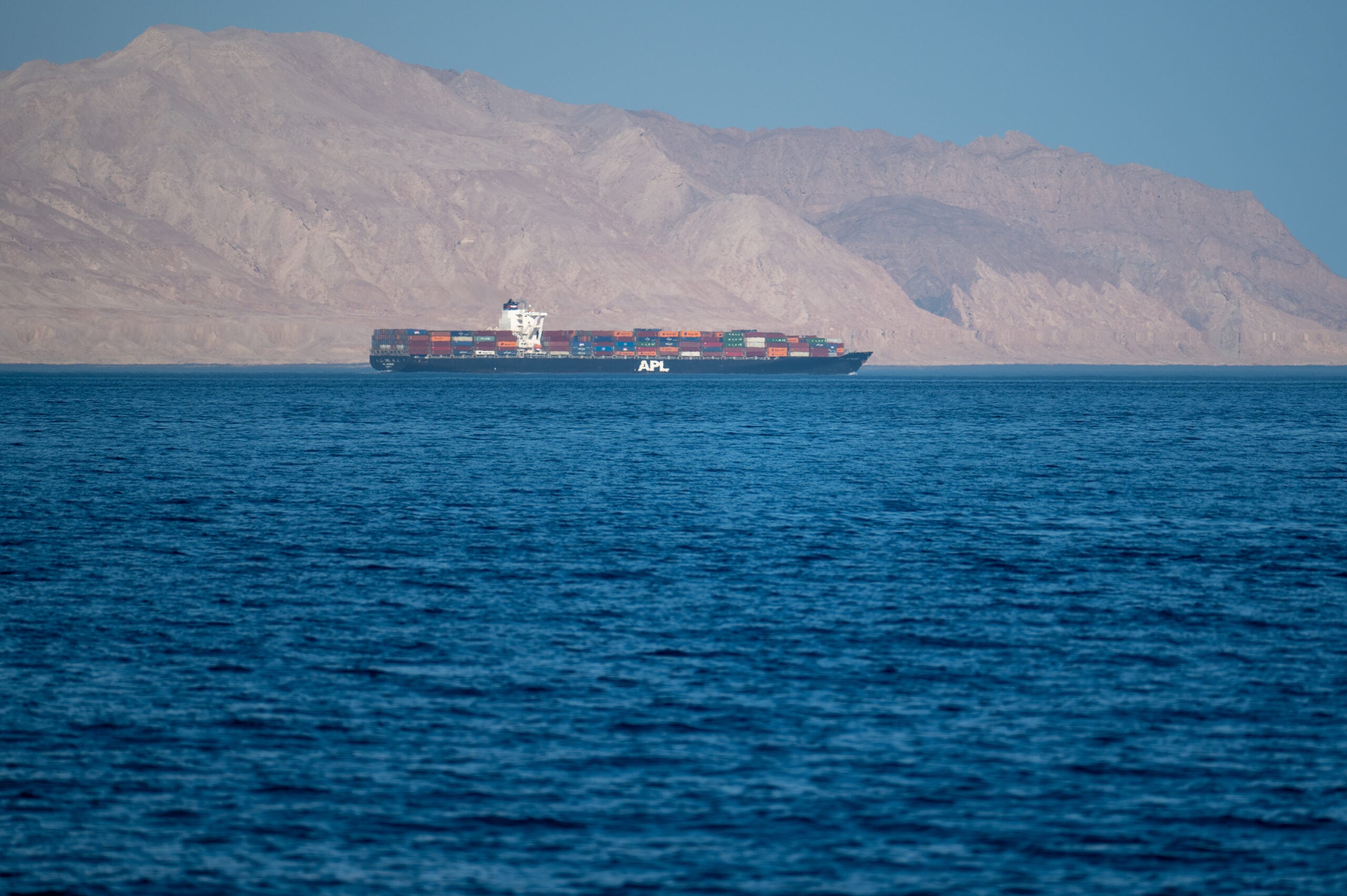
2+During the waiting period, a massive layer of “marine fouling”—mollusks, algae, and barnacles—accumulated on the ships’ hulls, preventing them from setting sail and delaying the resumption of oil flows. The fouling, coating what should be a smooth hull designed to minimize friction, is crippling their ability to move and putting engines at risk of failure under the strain.
The roughness creates enormous water resistance, called drag, forcing engines to work under extreme loads and spiking fuel consumption by 20% to 40%. For giant tankers hauling oil across thousands of kilometers, that means added costs of millions of dollars—making transport uneconomical and putting mechanical systems and propellers at risk of permanent damage from vibrations and overload.
 2+
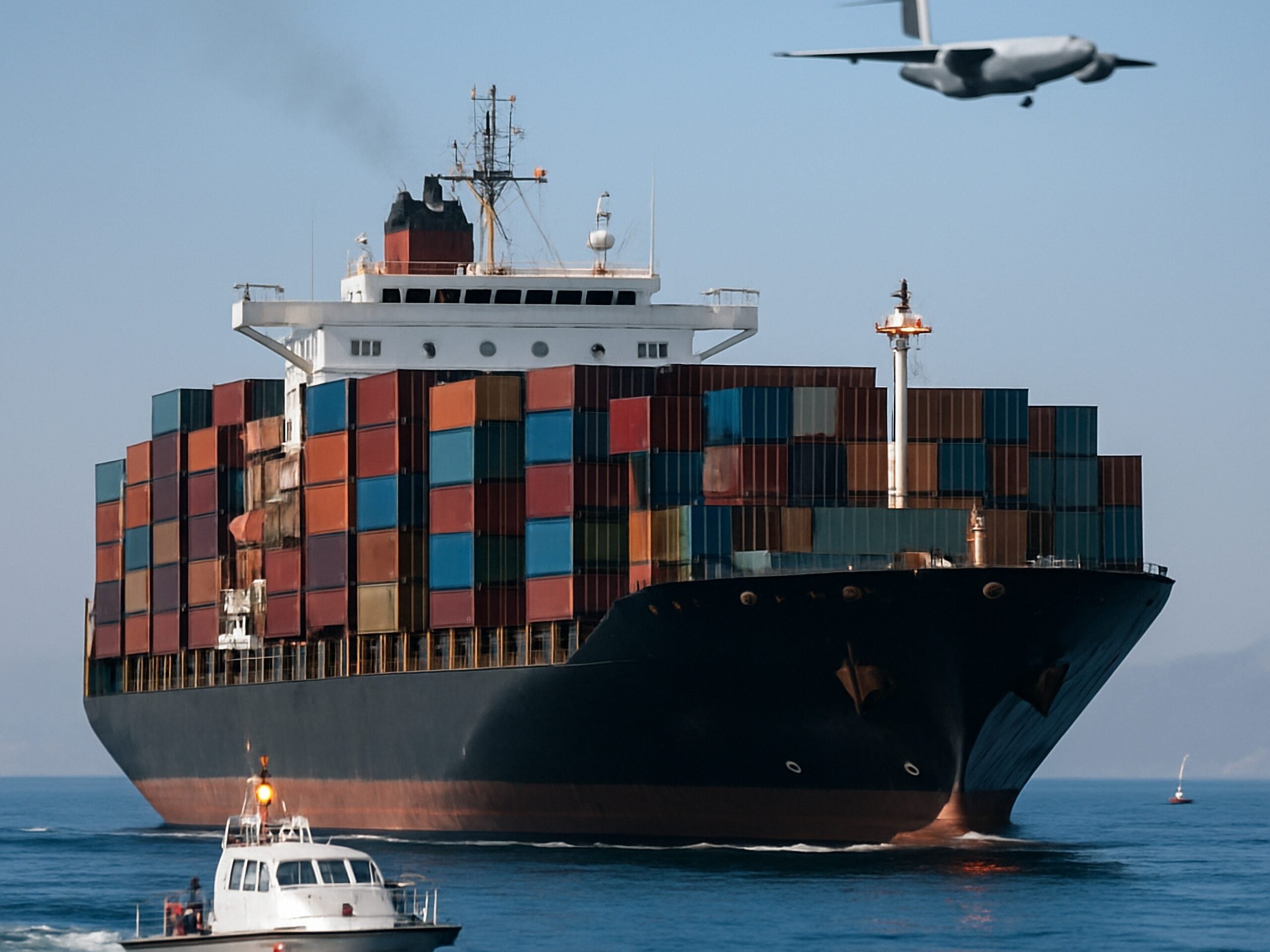
2+The algae and barnacles clinging to the hulls, especially the propellers, cause severe mechanical vibrations and prevent the ships from continuing their voyages. Operating systems in this condition could lead to complete shutdown of the vessels in the middle of the sea. Beyond that, there’s a sweeping regulatory barrier: strict international laws prohibit “biologically contaminated” ships from entering destination ports worldwide, for fear of spreading invasive species—making the tankers unwelcome at any Western port until they undergo thorough cleaning.
To return the tankers to sailing condition, complex and expensive cleaning work is required, performed by specialized diving teams known as “hull cleaners.” Each tanker, over 300 meters long and about 45 meters wide, requires cleaning of approximately 14,000 square meters.
 2+
2+A crew of five to six divers may need about four to five hours to clean each vessel, using manual scrapers and high-pressure washing machines. Meanwhile, the sudden demand for cleaning services has driven up prices, with crews now charging tens of thousands of dollars per ship.