



Let’s face reality: the 60-day ceasefire agreement could quickly turn into 120 or 240 days of endless negotiations between Washington and Tehran. Israeli influence is marginal, so we must let actions determine the outcome. The current regional reality, in the shadow of American-Iranian talks, doesn’t bode well.

 2+
2+We’re not the only ones worried; every country in the region, from Saudi Arabia to the UAE, is watching America’s flip-flopping with deep concern. The more breathing room the Americans give the Iranians, the stronger the desire of moderate states to create a counterforce. Israel is currently on the sidelines, but we must focus on creating a new security reality that ensures we never return to the status quo before October 7th.
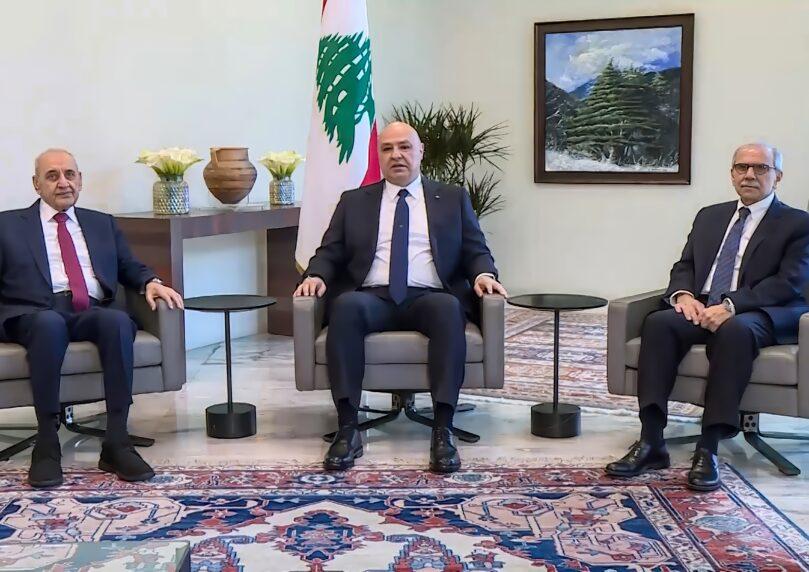
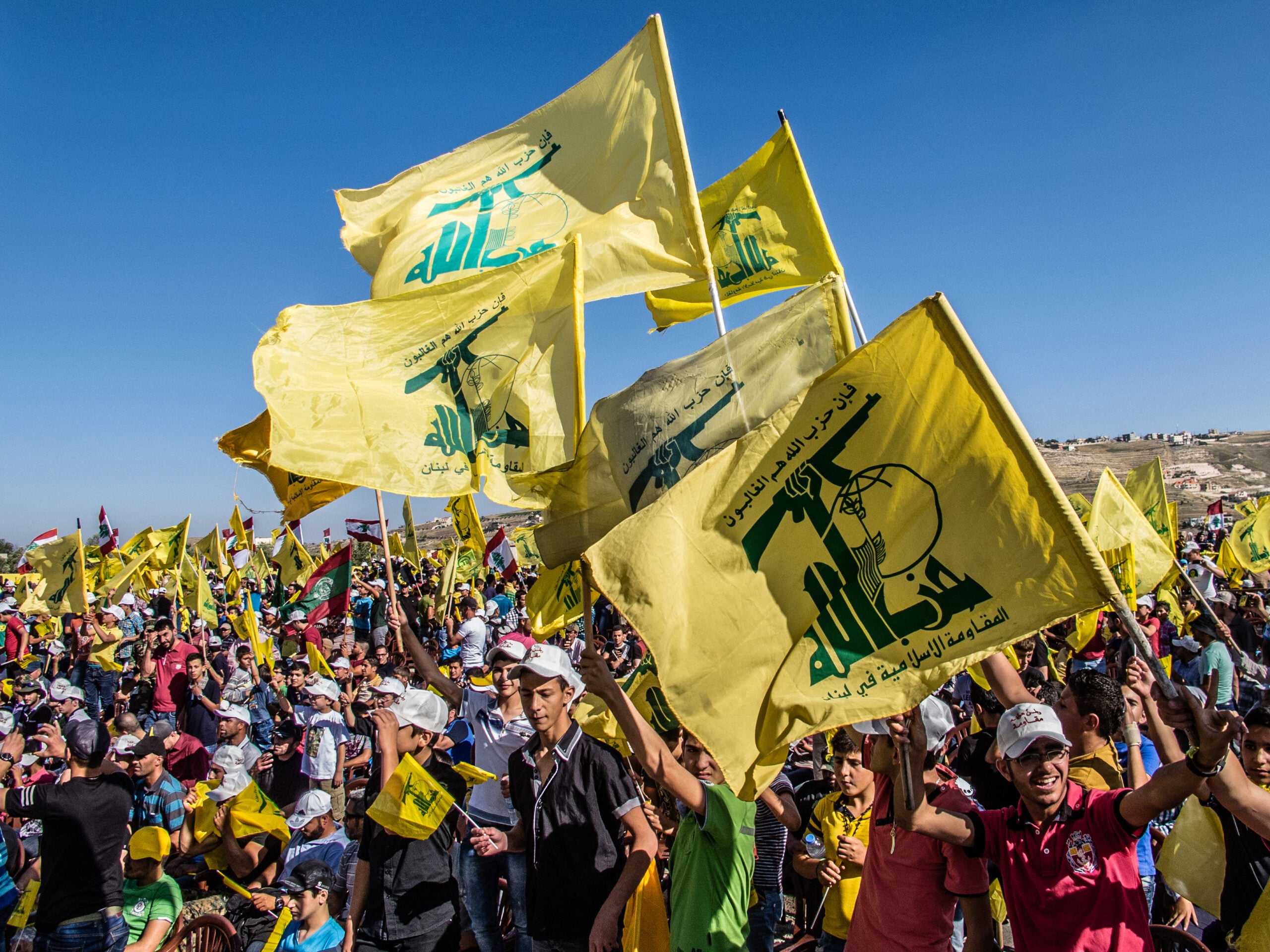
Regarding Lebanon, we need to listen carefully to Prime Minister Benjamin Netanyahu’s message: “We’ll stay as long as necessary.” The meaning is simple—as long as Hezbollah poses a threat or tries to establish facts on the ground, the IDF will be there. The Lebanese themselves understand that the only stable anchor in the region is the State of Israel.
 2+
2+In this context, it’s important to address the General Staff’s conduct. Our fighters have full freedom of action, even beyond the yellow line, and any attempt to create a false impression that our soldiers’ hands are tied is wrong. Unfortunately, the prime minister recently had to straighten out the Chief of Staff and bring him into joint statements, because we’ve seen a troubling phenomenon of politicization within the General Staff. We’ve known chiefs of staff with political aspirations before, but we haven’t known a chief of staff who operates a real political operation, including close ties with media channels and messages designed to serve a certain agenda.
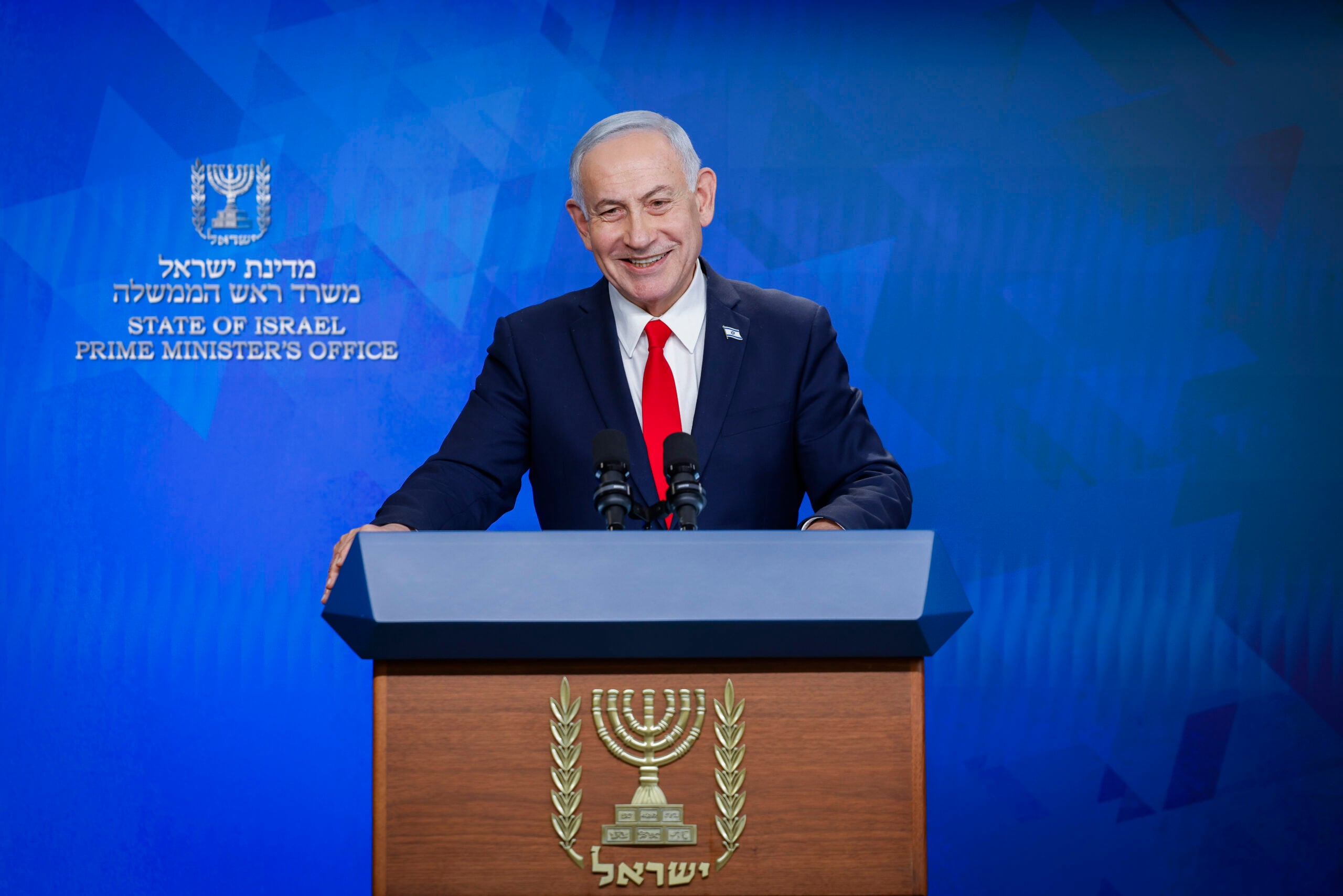
When you look at the political alternatives, the picture is even more troubling. Gadi Eisenkot, for example, speaks the language of the American woke left. He clearly supports a ‘Palestinian’ state and is even willing to accept a nuclear Iran. When you add Bennett’s connection to ‘Palestinian autonomy’ and partnerships with figures like Mansour Abbas and Ahmad Tibi, you understand that Netanyahu is the only player who knows how to speak with the Americans in their language—not just in terms of English, but in terms of concepts and national interests. The relationship between Netanyahu and Trump is like a family relationship; even when there are sharp arguments, the foundations are solid and will survive the crises.
 2+
2+Finally, we can’t ignore the internal noise within Likud. Newspaper headlines are trying to inflate MK David Bitan’s moves against Netanyahu, but we need to put things in proportion. Bitan is like the ant climbing on the elephant saying “Let’s go, we ride.” With all due respect to 200 central committee members or decisions by Likud’s court, which itself is composed of operatives with interests, none of them can bring even half a mandate in national elections. Netanyahu is the only one who knows how to bring millions of votes, and he’s focused on one thing: a crushing victory in elections to secure the state’s future.
At the end of the day, the question facing Likud members and the entire Israeli public is simple: What’s good for the state? Is it good for the state to surrender to internal political maneuvering by job-seekers, or to continue leading a firm and uncompromising line against the existential threats facing us? The answer is clear to anyone with eyes in their head. Netanyahu is currently fighting for Israel’s resilience in Gaza, Judea and Samaria, and Lebanon, and everything else is just “morning trinkets” from people who don’t understand the magnitude of the hour. The battle is between the elephant and the ant, and I’m betting on the elephant to lead us to safe shores.
This column is based on remarks by our political commentator Yaakov Bardugo on Channel 14’s morning news with Oded Menashe.