


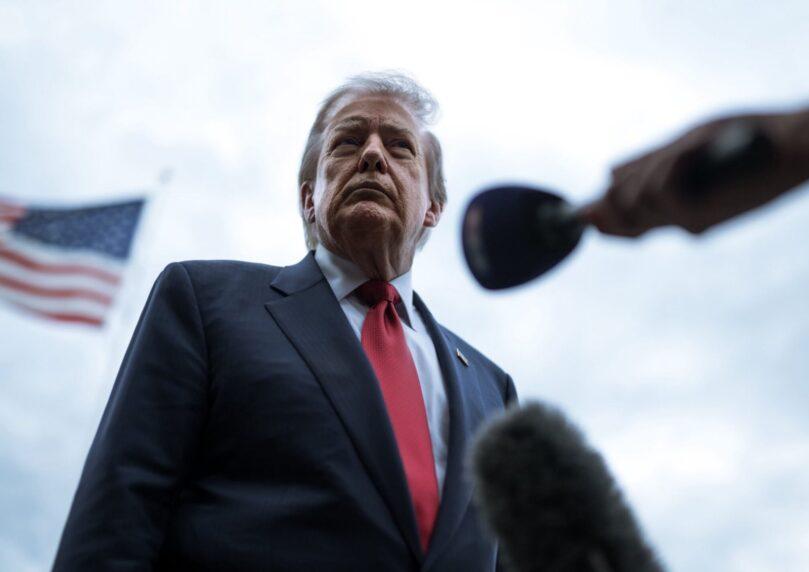

President Donald Trump was asked last night (Monday) at a press conference about Prime Minister Benjamin Netanyahu’s declaration that Israeli forces will not withdraw from southern Lebanon, and responded dismissively: “I solve problems. I solve problems very fast, even with Bibi.”
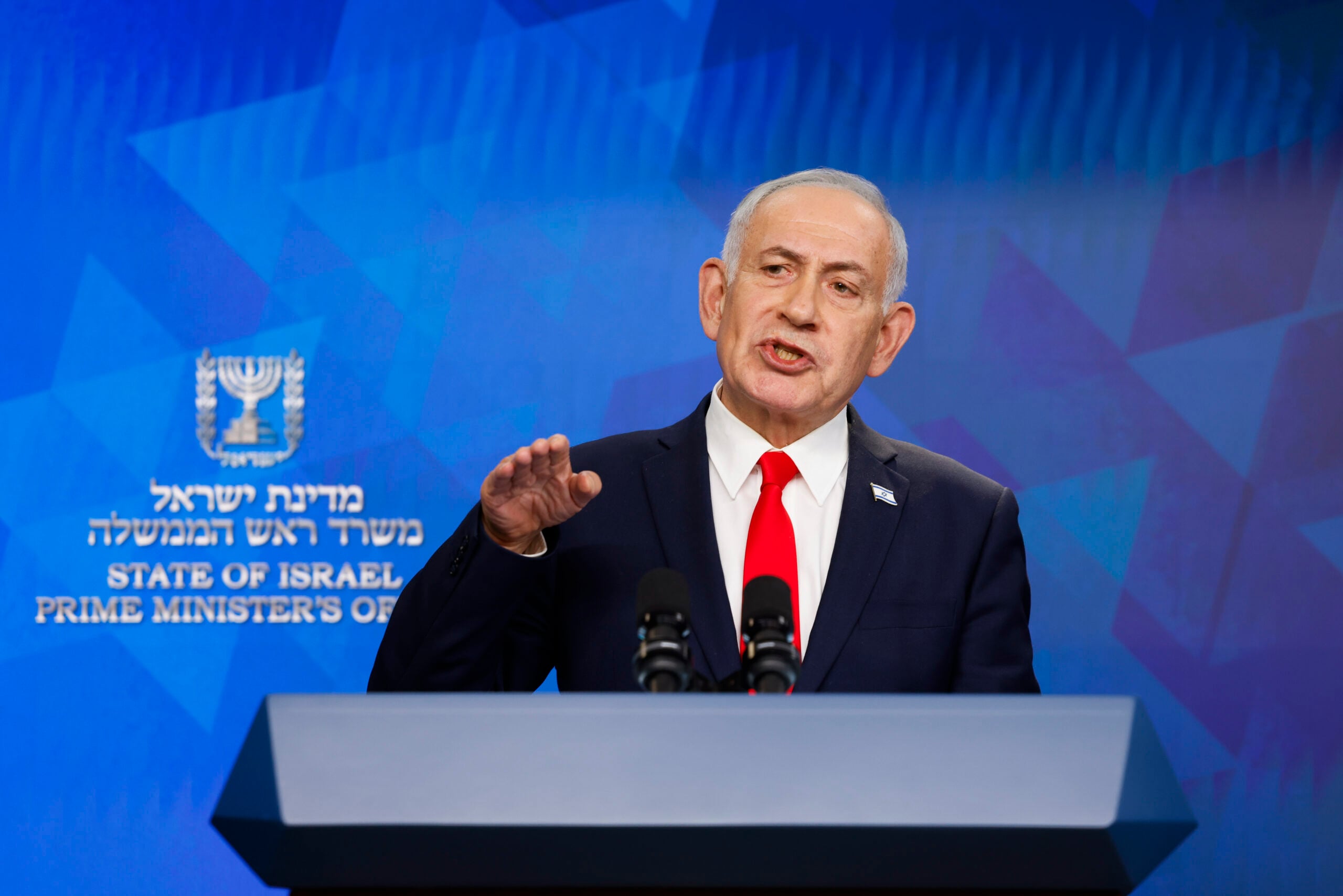

 1+
1+Netanyahu made clear yesterday in a statement to the media that “I stand firm on our remaining in the security zone in southern Lebanon for as long as necessary to protect residents of the north and all citizens of the state.”
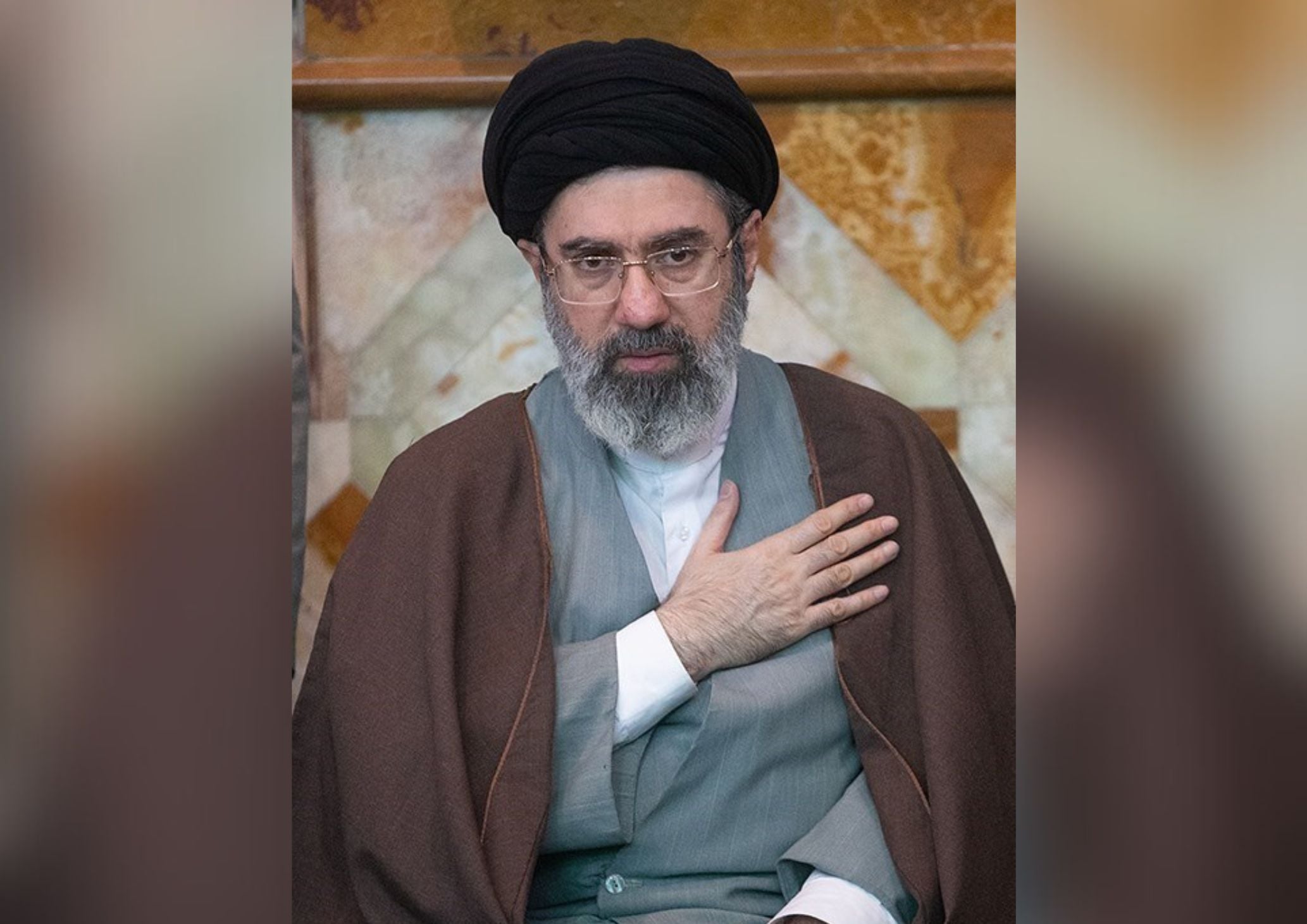
Later in his remarks, Trump also addressed Iran, warning that if it doesn’t fulfill its commitments, he will act accordingly: “If Iran doesn’t live up to the agreement, or if they don’t behave the way they should—I’ll do what I have to do.”
 1+
1+The U.S. president claimed the funds being unfrozen for Iran under the understanding are designated solely for purchasing food from the United States: “All that money comes back to us in the form of food purchases, which they desperately need. They have 91 million people; they can’t feed them. So the money we’re releasing goes to our farmers.”
However, Iran rejected his claims. The Tasnim news agency reported that Iran’s central bank governor, Abdolnaser Hemmati, said Tehran is not obligated to purchase agricultural inputs from the United States under the memorandum of understanding, and that the unfrozen funds won’t necessarily be used only for purchasing basic goods.