


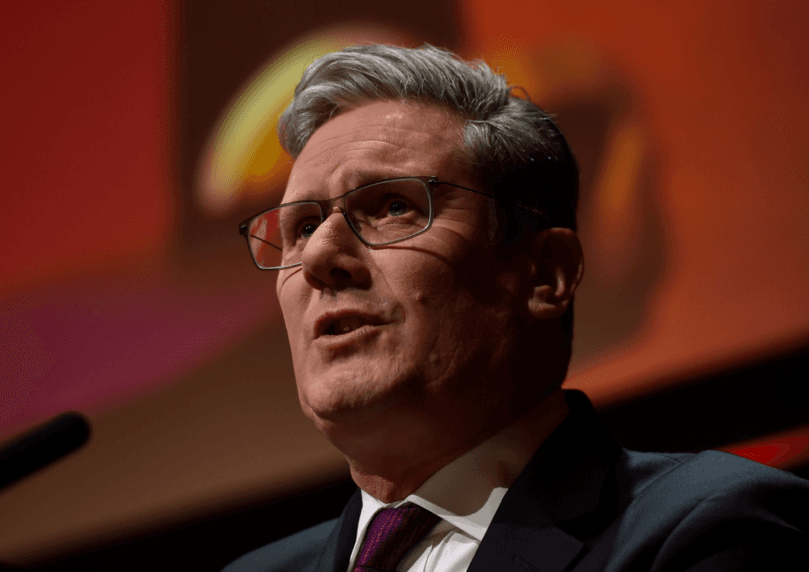

Britain’s political system is in a deepening crisis: Prime Minister Keir Starmer announced his resignation today, becoming the sixth British prime minister to leave office in 10 years. The move comes after months of intense political pressure, culminating in Andy Burnham’s crushing victory in the Maidenfield by-election, which made him the leading candidate to replace Starmer.


 1+
Background to the Collapse: From Landslide Victory to Crisis
Despite Labour’s historic victory in July 2024, Starmer’s tenure was marked by persistent failures in governing. The central criticism focused on:
Loss of Direction and Alienating “Technocracy”: Starmer was seen as a “boring technocrat” lacking charisma who failed to connect with voters—and even more so with elected officials. His managerial approach, while it brought him to power, left the government without an inspiring vision and struggling to communicate it to the British public, especially against the rising conservative right of Nigel Farage’s Reform Party.
Local Election Failure
May 2026 marked a turning point after Reform UK scored massive successes in local elections, while Labour lost over 1,400 council seats across the kingdom. This reflected deep public frustration with Starmer’s leadership, economic policy, and handling of immigration.
 1+
Immigration and Economy
Starmer proved unable to curb illegal immigration and failed to improve the economic situation of Britons, which has only deteriorated since Brexit and COVID, leading to high yields on government bonds and erosion of the pound’s standing.
Rumors of undermining within his government were accompanied by ministerial resignations and mounting pressure from MPs in his own party who saw him as an electoral liability. In effect, Starmer received a “shallow victory” that led to the most unpopular government in the kingdom’s history.
Starmer’s current decision to vacate the chair is “saving the party” from a crash in the next general election. Or at least an attempt to prevent it. Starmer’s failure is further proof that technocracy is no substitute for leadership with a clear agenda, charisma, and worldview. Starmer, who came to power promising “stability,” ends his tenure under the same uncertainty and political turmoil he promised to solve.