


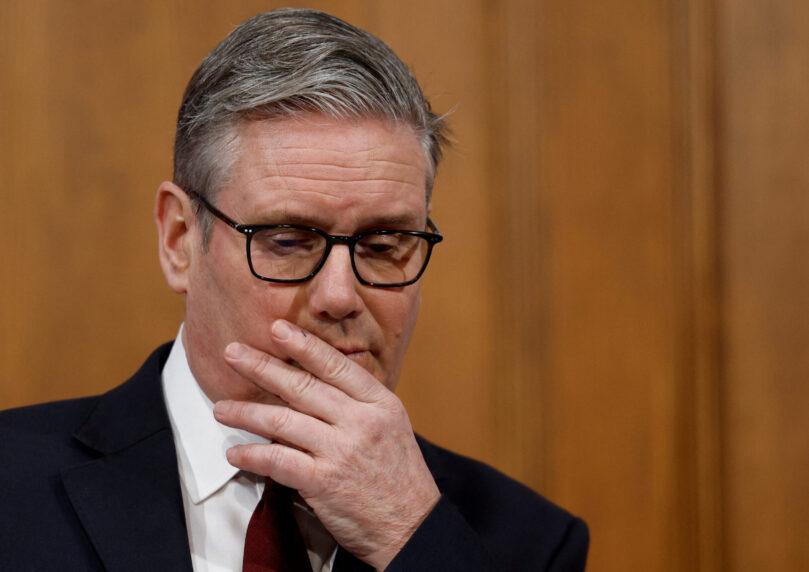

Political turmoil in the Kingdom: British Prime Minister Keir Starmer announced his resignation today (Monday), declaring that every decision he made during his tenure was intended to “put the country I love first.”
Starmer noted that the process to choose his successor will be carried out swiftly: “I will ask Labour’s National Executive Committee to set a timetable where nominations open on July 9 and close by the summer recess. In the event of a contest, this will ensure a new leader is elected before Parliament returns in September. I will remain as Prime Minister until the contest is completed, and I will do everything in my power to ensure an orderly transition of power.”
The man poised to succeed Starmer is Andy Burnham, the Mayor of Manchester, who recently returned to Parliament and is now emerging as the leading candidate to lead Labour, and consequently, to become Britain’s Prime Minister.
In fact, Burnham enjoys the backing of roughly half of Labour’s Members of Parliament. Party insiders estimate that his momentum could lead to a swift “coronation” without the need for a prolonged internal leadership contest, aimed at stabilizing the party’s ranks.
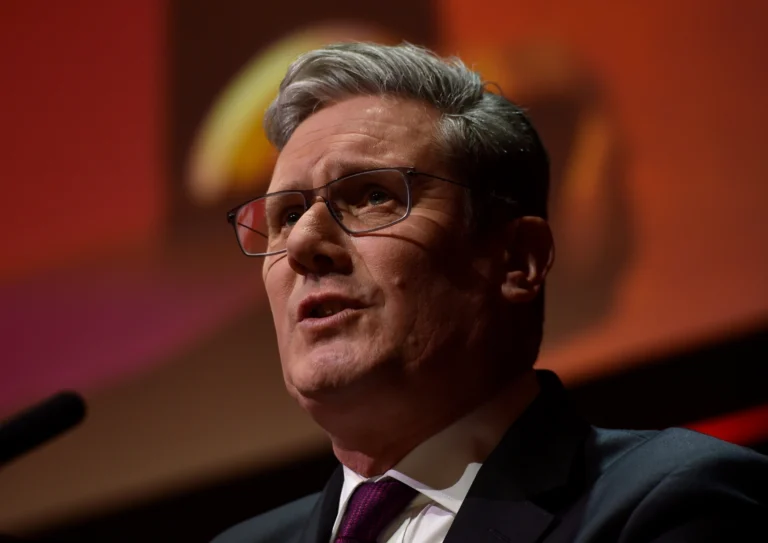

The significance of Starmer’s move is that Britain is experiencing unprecedented upheaval, having seen five prime ministers change in less than five years—a situation indicating significant political instability that could affect the global economy and European foreign relations.
The outgoing British Prime Minister was perceived as a “boring technocrat,” lacking charisma, who failed to connect with voters and, moreover, with elected officials. His managerial approach, which admittedly brought him to power, left the government without an inspiring vision and struggled to project one to the British public—especially in the face of the rise of the conservative right and Nigel Farage’s Reform UK party.