


Dr. Dan Diker appeared Monday on the morning show hosted by Tal Meir and offered a sharp analysis of the security and political situation. Diker, who participated in the JNS conference in Jerusalem with Prime Minister Benjamin Netanyahu and senior Fox News figures, believes Israel’s exclusion from the Lebanon de-escalation cells was intentional. He emphasizes that the prime minister’s media silence stems from precise awareness of every detail in the negotiations, and that security coordination between the countries is far deeper and more significant than previously known.

 2+
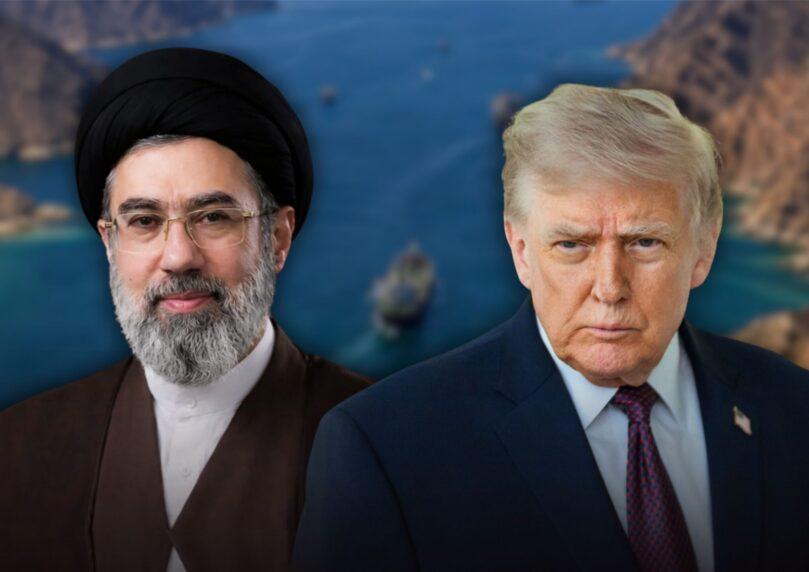
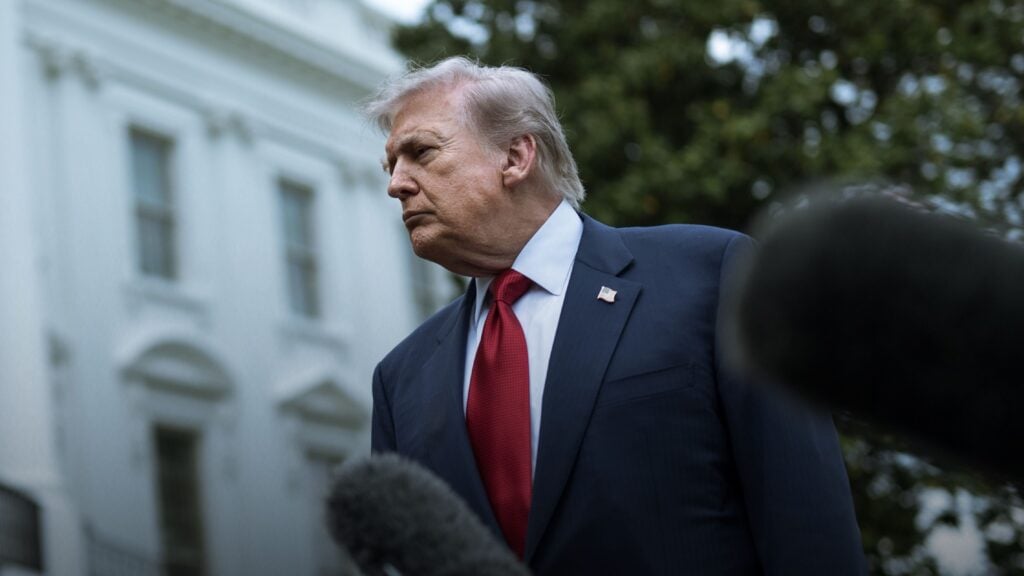
2+Diker explained that President Trump must secure economic wins ahead of the midterm elections in four months: “The president has to buy time at any cost.” According to him, “He probably told his son-in-law and Witkoff: I need the Strait of Hormuz open, I have to bring down oil prices, I need industrial quiet for the next four months. That’s his central goal.”
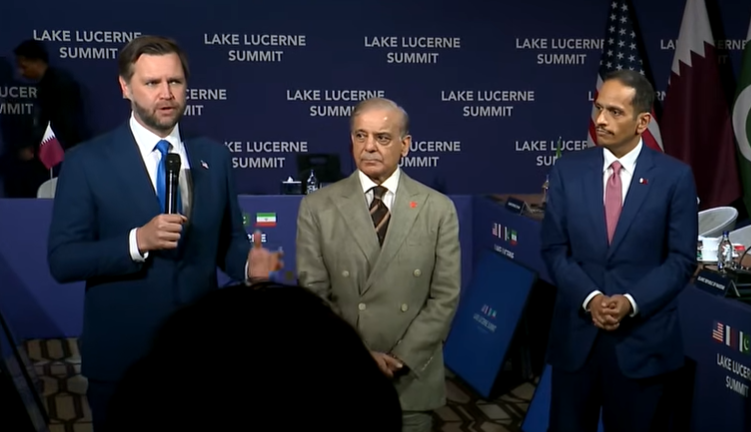
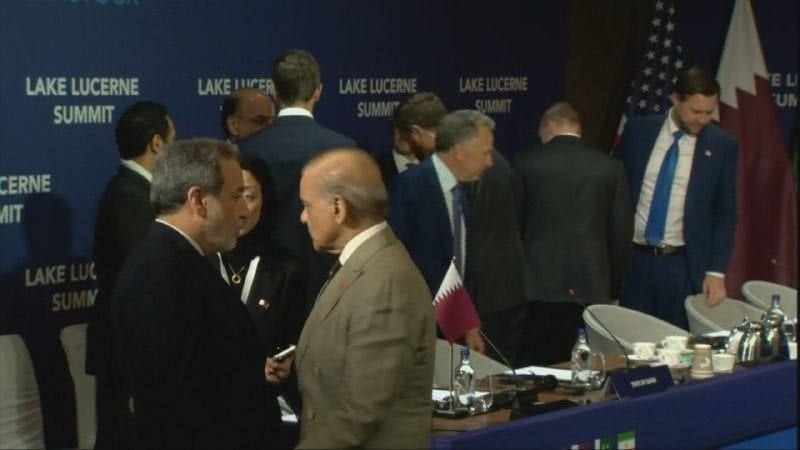
Regarding JD Vance, Diker argues he’s being used as a political tool: “Vance represents the isolationist, critical MAGA approach. He gives the president maneuvering room to voice tough positions toward Israel designed to calm the electoral base, while the president flips 1,000 degrees from what he said before. It’s all part of the game.”
 2+
2+The Iranians, according to Diker, understand American and Israeli politics deeply—perhaps even better than the Americans themselves. They’re exploiting the dynamics to isolate Israel in the corner on everything related to Lebanon, while blatantly violating the “strange and problematic” memorandum of understanding. Iran is using Israel as an excuse to delay, blame, and pressure Trump to extract additional concessions.
Diker proposed a clear action plan for Jerusalem: “Israeli ministers need to stay quiet. Don’t respond to every statement by JD Vance and don’t clash frontally and publicly with the administration.” Diker stressed that as a democracy “we’re allowed to do everything, we’re not the 51st state,” but you need to know how the client—meaning the president—operates.
 2+
2+As for the northern border, Diker heard personally from the prime minister that Israel will not withdraw from Lebanon: “We’re staying there at any cost. Israel must have strategic depth and defensible borders. We’re not moving south from the Litani.” Diker noted there’s deep agreement between the sides on Israel’s security needs, and that the details of small operational matters are critical to success.
In conclusion, Diker calls for cautious optimism, emphasizing that security coordination is the core that allows Israel to keep fighting for its borders, even within the global political storm.