


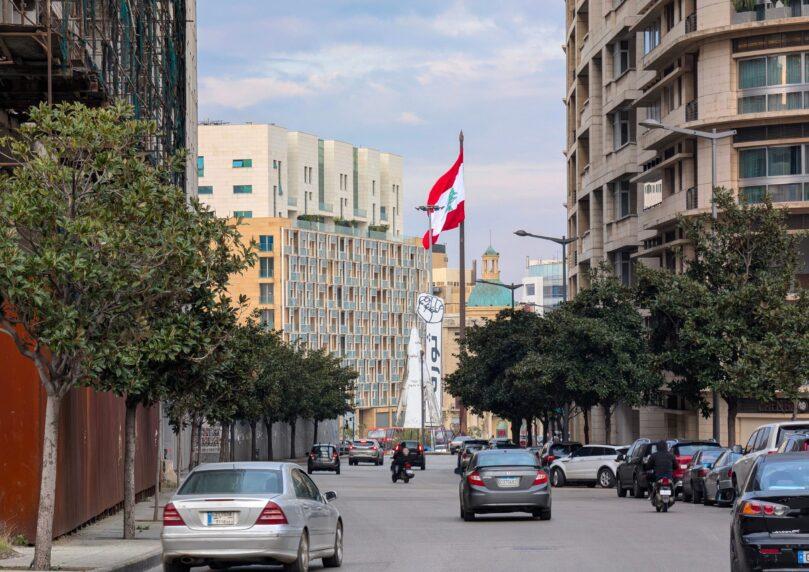

While Lebanon remains in the global spotlight, the IDF continued strikes there over the weekend. After a series of attacks in southern Lebanon and the Bekaa Valley in response to the deaths of Israeli soldiers on Friday, there’s been relative calm in the past 24 hours. But one spot still sees tension—the strategic Ali Taher ridge overlooking the city of Nabatieh, where Hezbollah maintains an important underground command center.

 1+
Meanwhile, a turbulent weekend in Lebanon on the political front as well. Politicians from across the spectrum are flooding the media with interviews and statements against the backdrop of security developments and debates over the country’s future. Wafiq Safa, a senior Hezbollah official and brother-in-law of Hassan Nasrallah, is considered one of the group’s most violent and influential figures—the man in charge of dealing with internal rivals. In a weekend interview, he declared again that there’s no chance Hezbollah will give up its weapons, adding: “If the current generation doesn’t succeed in invading the Galilee, that doesn’t mean there won’t be a better generation than us that will invade the Galilee.”
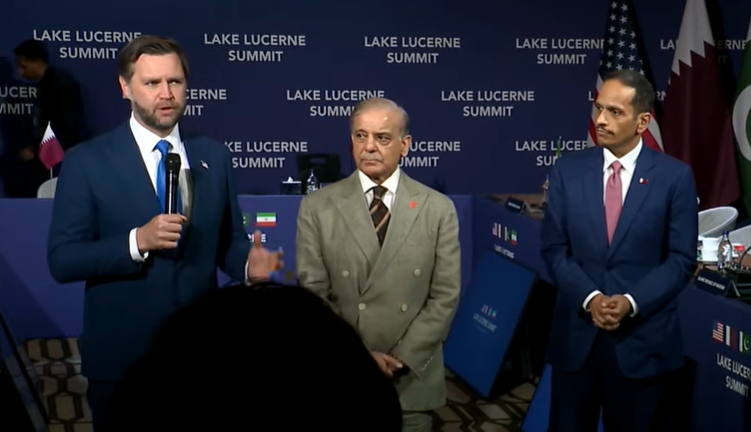
Negotiations between Iran and the United States opened today in Switzerland, and Beirut is struggling to hide its embarrassment. The very fact that issues affecting Lebanon are being discussed between superpowers and regional players reinforces for many the feeling that Lebanon still doesn’t control its own fate. The Lebanese prime minister tried to protest this in a speech to students on Friday, saying: “The state decides and no one decides for it. No one speaks in its name or negotiates on its behalf, except its legitimate institutions.”
 1+
Like here in Israel, those in the anti-Hezbollah camp in Lebanon now feel the Americans are turning their backs on them. Rami Naim, one of the prominent voices against Hezbollah in Lebanese media, explained it this way: “The moment the agreement was signed from afar, many said: ‘America sold us out.’ Supporters of the state are worried, and Hezbollah supporters started celebrating.” Lebanese officials are trying to claim the country is getting back on its feet, that it’s managing itself. This week it once again found itself on someone else’s negotiating table.