


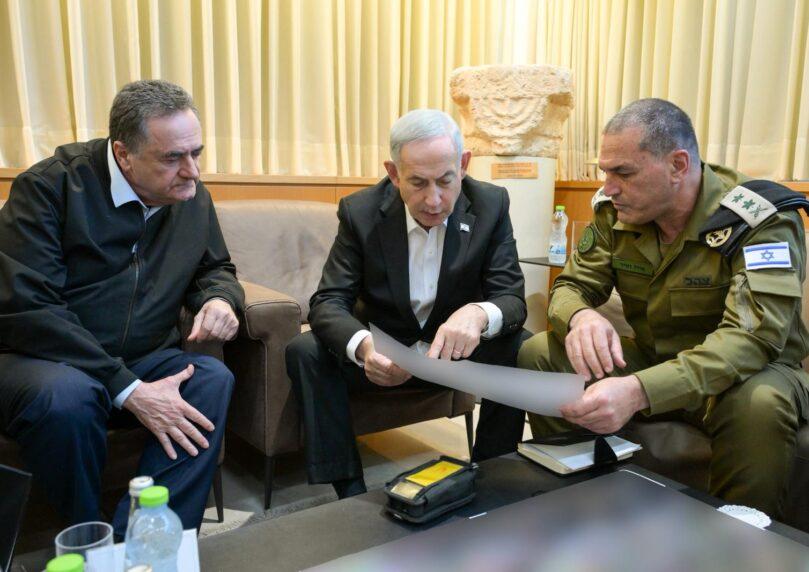

Five soldiers were killed this past weekend in southern Lebanon—five of our finest, the salt of the earth, brave fighters who went out to defend the people of Israel. The blame for their deaths, as well as for the wounding of dozens more, rests squarely on the shoulders of Prime Minister Benjamin Netanyahu, Defense Minister Israel Katz, and Chief of Staff Eyal Zamir.

 1+
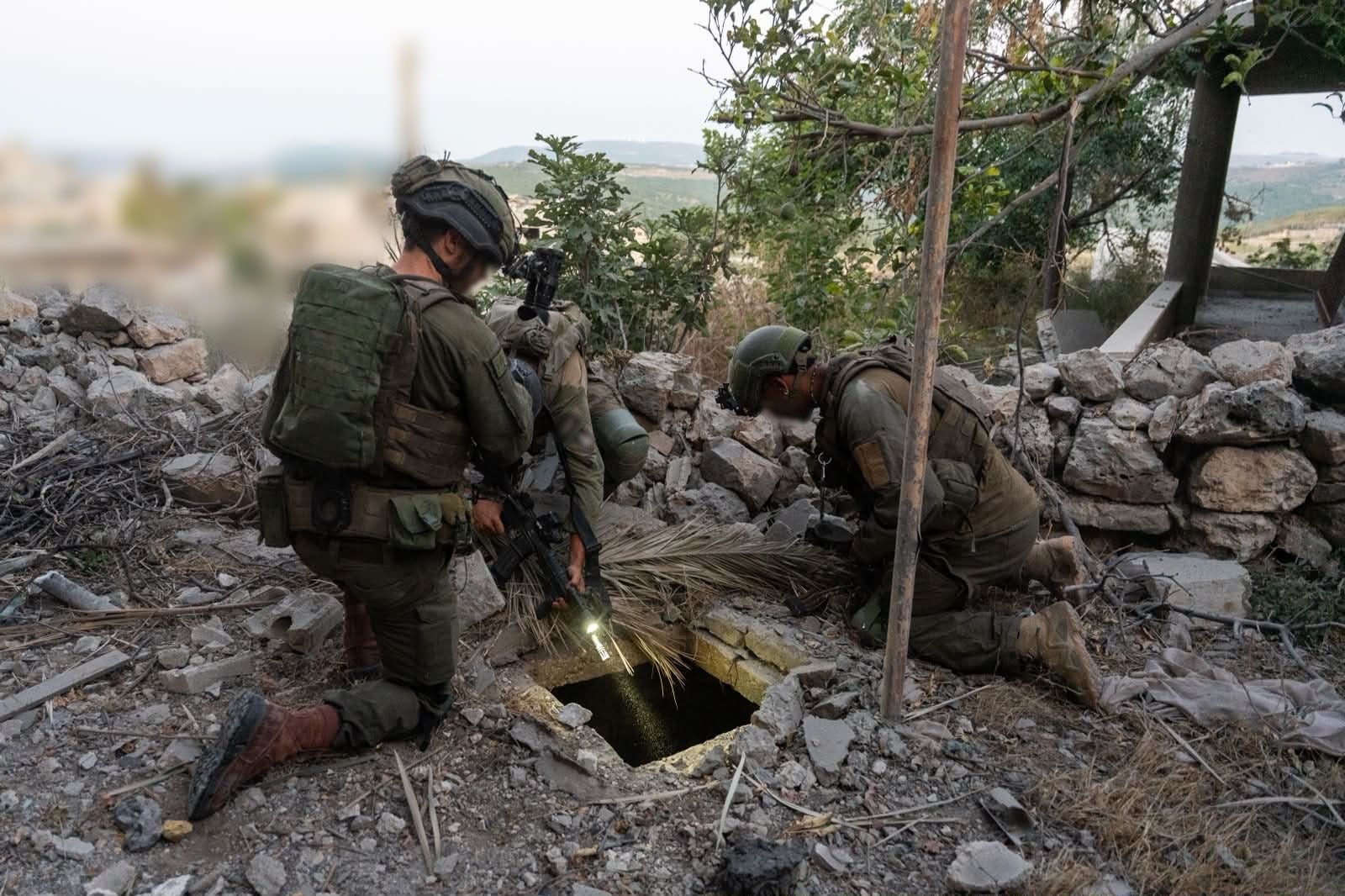
1+“There is no restriction on IDF soldiers operating in Lebanon to remove threats,” the defense minister declared today, as if this were something to be proud of. The terminology reveals a dangerous practice: our fighters have the right to defend themselves—only if weapons are already aimed at them. Katz boasts about “no restriction,” but the truth is that even in Jerusalem and Tel Aviv, there’s no restriction on any citizen to open fire if facing an immediate life-threatening danger.
What Israel Katz, Netanyahu, and Zamir forget—or try to obscure with grand slogans—is that our children and brothers are not puppets or sitting ducks at a shooting range. They’re not victims of the “ceasefire.” They are the most precious thing we have—and they need to operate to destroy the enemy, around the clock and with full force, not just “to remove threats”!
 1+
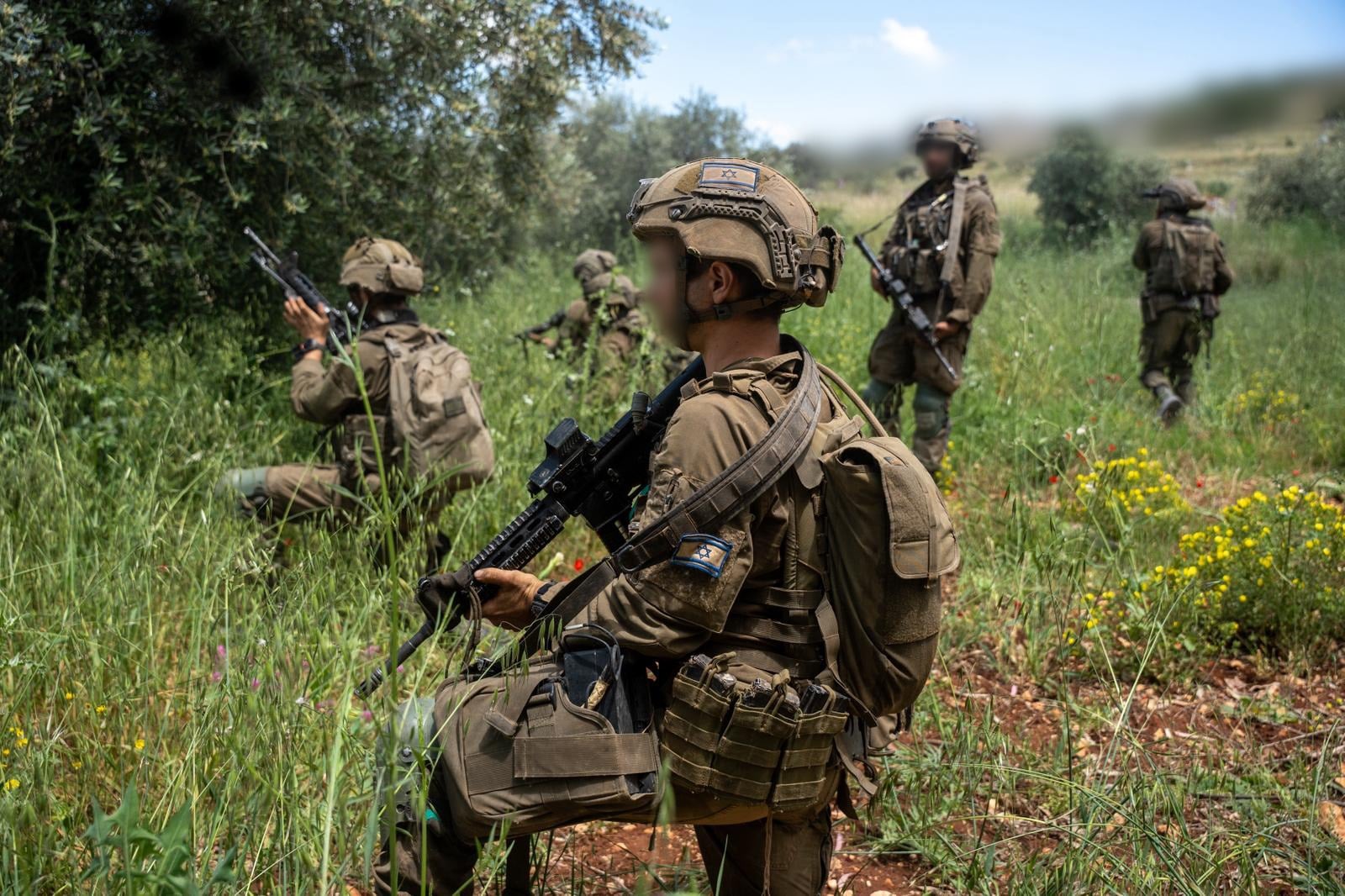
1+While thousands of fighters are in the field under enormous risk to their lives, driven solely by tremendous dedication, Netanyahu and Katz decided to tie their hands, and Eyal Zamir fell in line—”any opening of fire not to remove immediate danger requires approval from the regional commander.” Field commanders are furious and frustrated, soldiers are losing faith in the political and military leadership, and every day that passes, more fighters are wounded.
Immediately after Shabbat ended, against the backdrop of difficulties in negotiations between the Americans and Iranians and the dissatisfaction of President Trump and Vice President Vance, Netanyahu rushed to clarify that as far as he’s concerned, the ceasefire is in effect throughout Lebanon. The statement came even before the names of all the beloved fallen soldiers were published, while the people of Israel mourned the terrible tragedy. At this very moment—the prime minister chose to broadcast a message of complete weakness. Who will stop this dangerous reality, and who will show courage in the face of the Americans? The escalation in southern Lebanon continues.